|
The Volterra International Workshop invited four schools to participate the program at Volterra, Italy. The schools that participate this year are: University of Detroit Mercy (the host of the program), Kendall College of Art and Design, Warsaw University of Technology, and University of Illinois at Urbana-Champaign. The project this year takes place at the Acropolis of Volterra, where the Etruscan & Roman temple ruins and medieval walls are located.
Volterra is a historical city sitting on a highland of Tuscany. Its critical location and natural resources are the main reasons why Volterra has been continuously inhabited since pre-Etruscan era and through Etruscan, Roman, Medieval Age, til now. 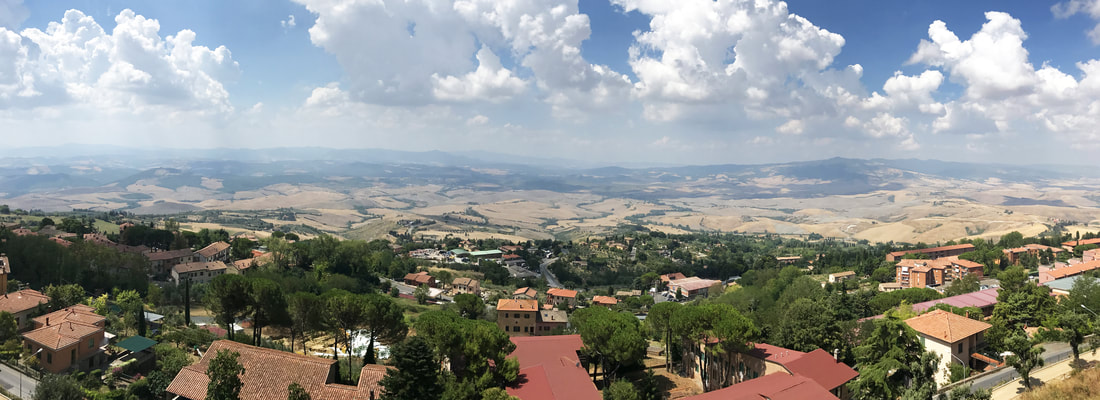
The highground of Volterra allows views to the entire valley
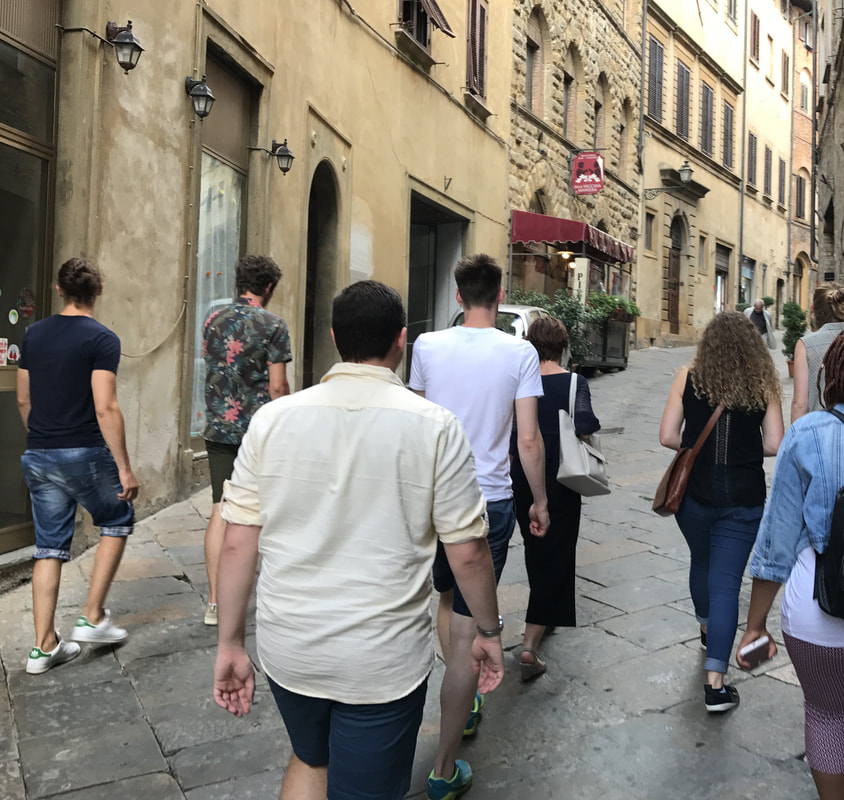
The class exploring the city
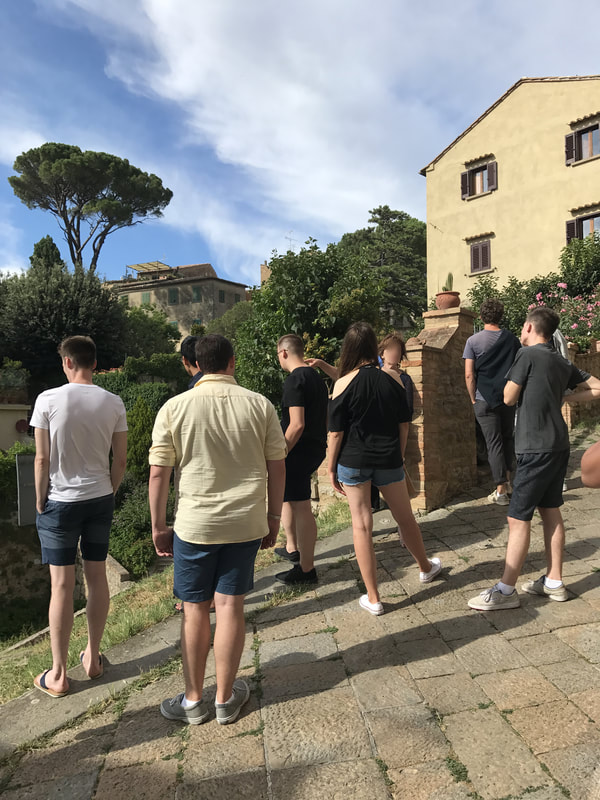
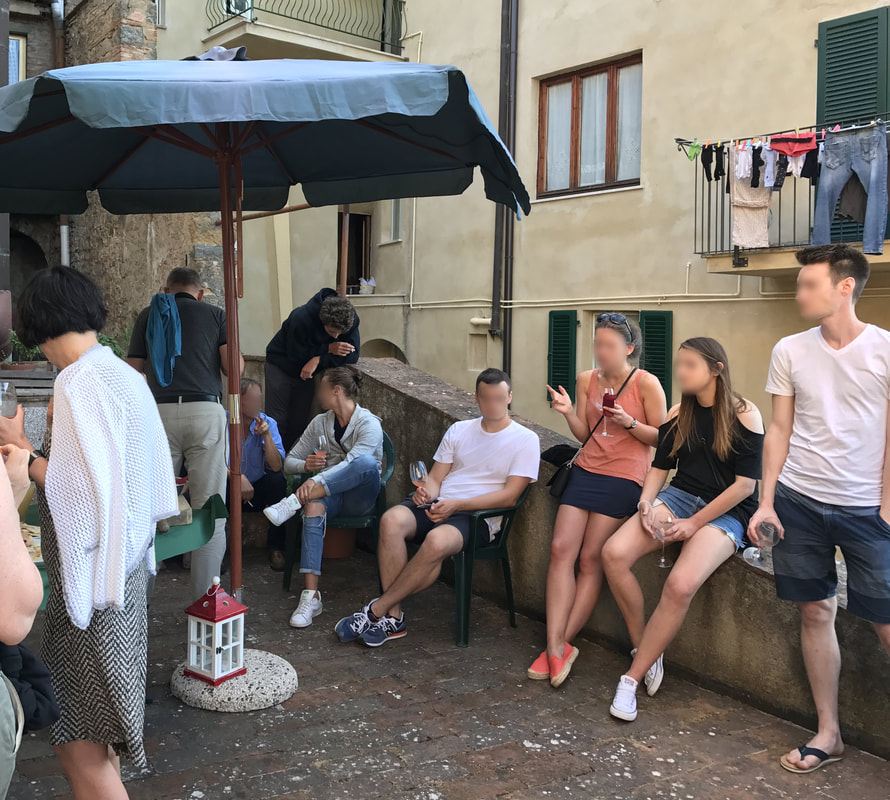
The class having apéritif on the rooftop of the restaurant everyday before dinner
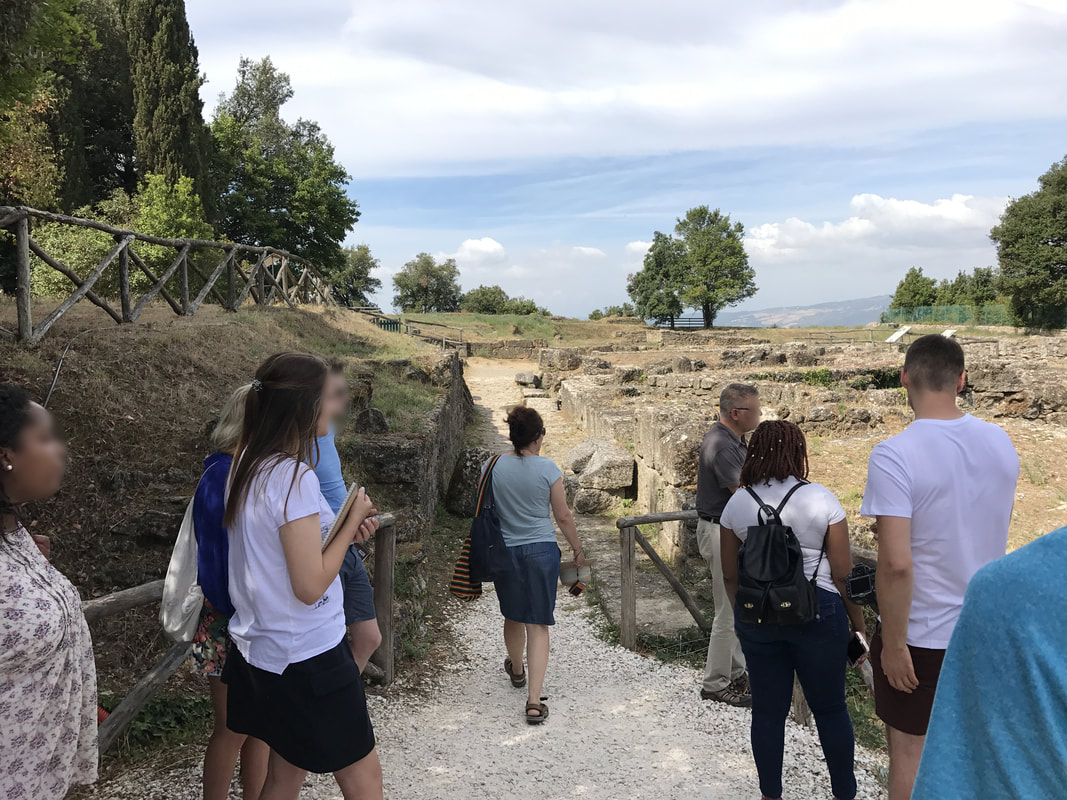
Site visiting: the Acropolis
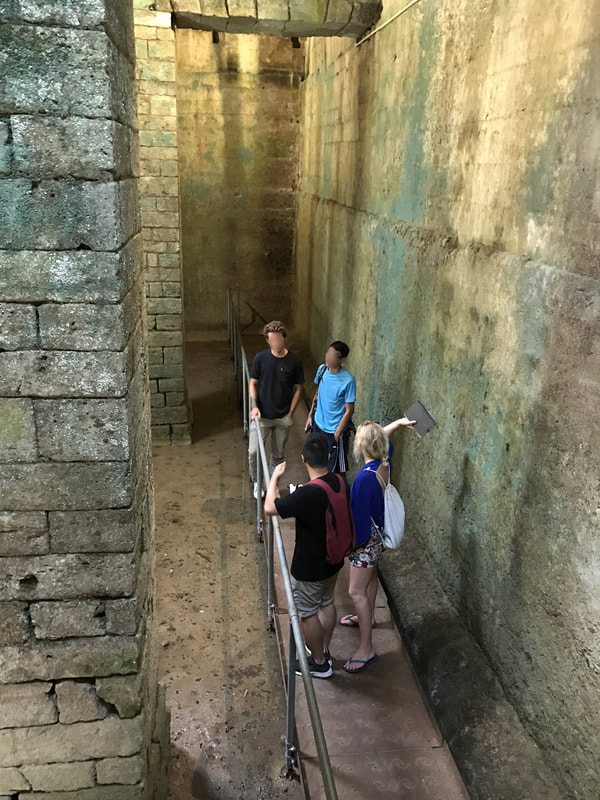
Visiting the Roman cistern beneath the Acropolis hill
Roman Theatre
The Roman theatre of Volterra was built around 1st century B.C. The two additional wings were added later around 1st century A.D. A Roman bath was also discovered on the site behind the theatre, which was built around the end of the third century A.D. after the theatre was abandoned. A larger scale amphitheater was discovered outside of the city walls around 2015 and it's still undergo excavation. Through the theatre we can see how advanced Roman architecture was in terms of considering the structures, lighting, weather, and the site. Volterra is a city that consists layers of histories. 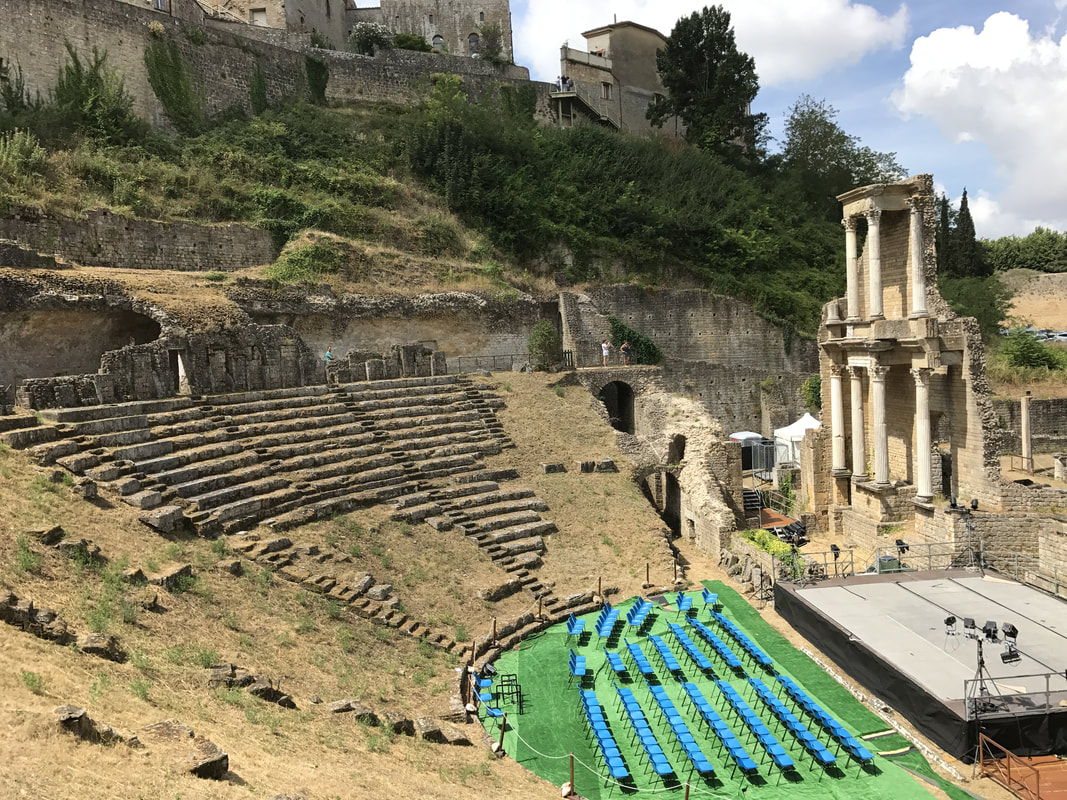
The Roman Theatre
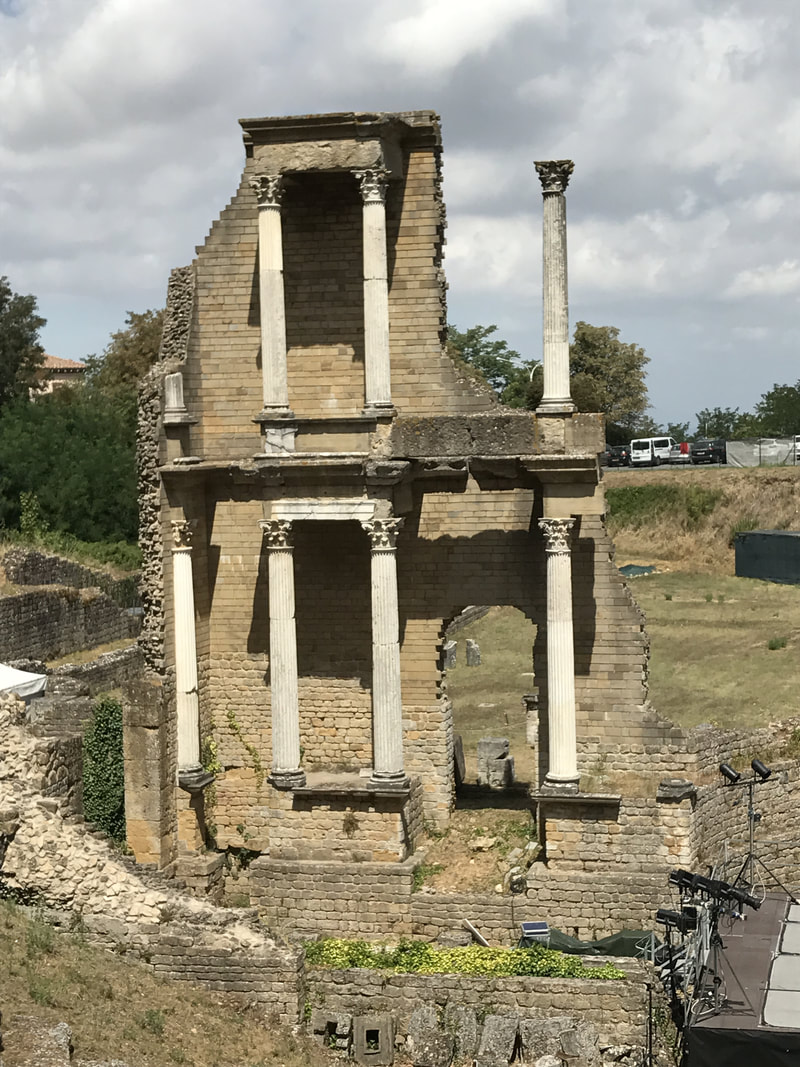
The site at some point was a dumpster of the city, and then later on become a soccer field. It was a local intellectual that decided to dig up the site and see what's underneath
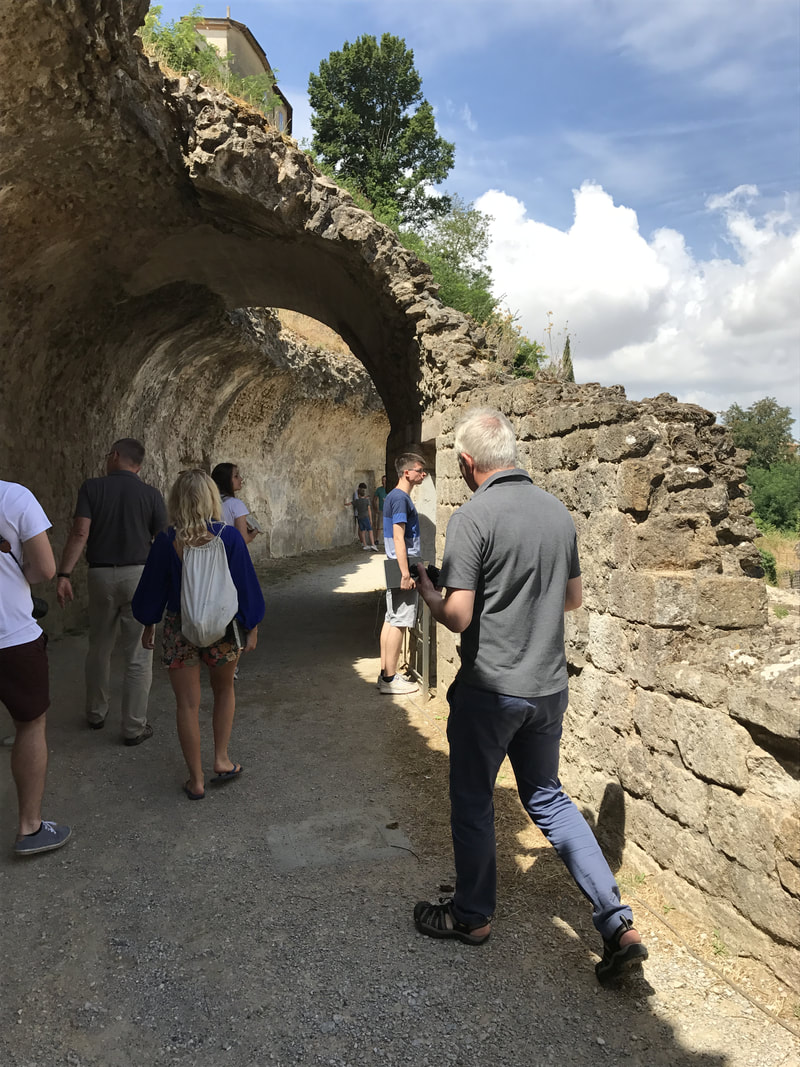
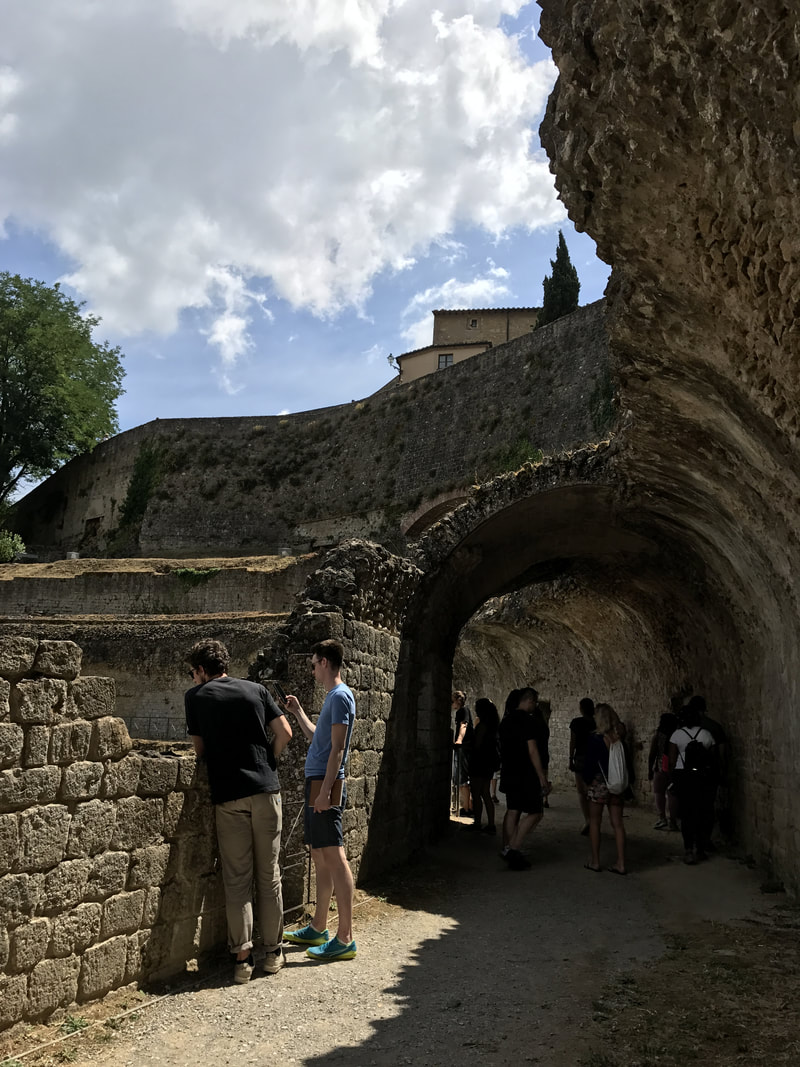
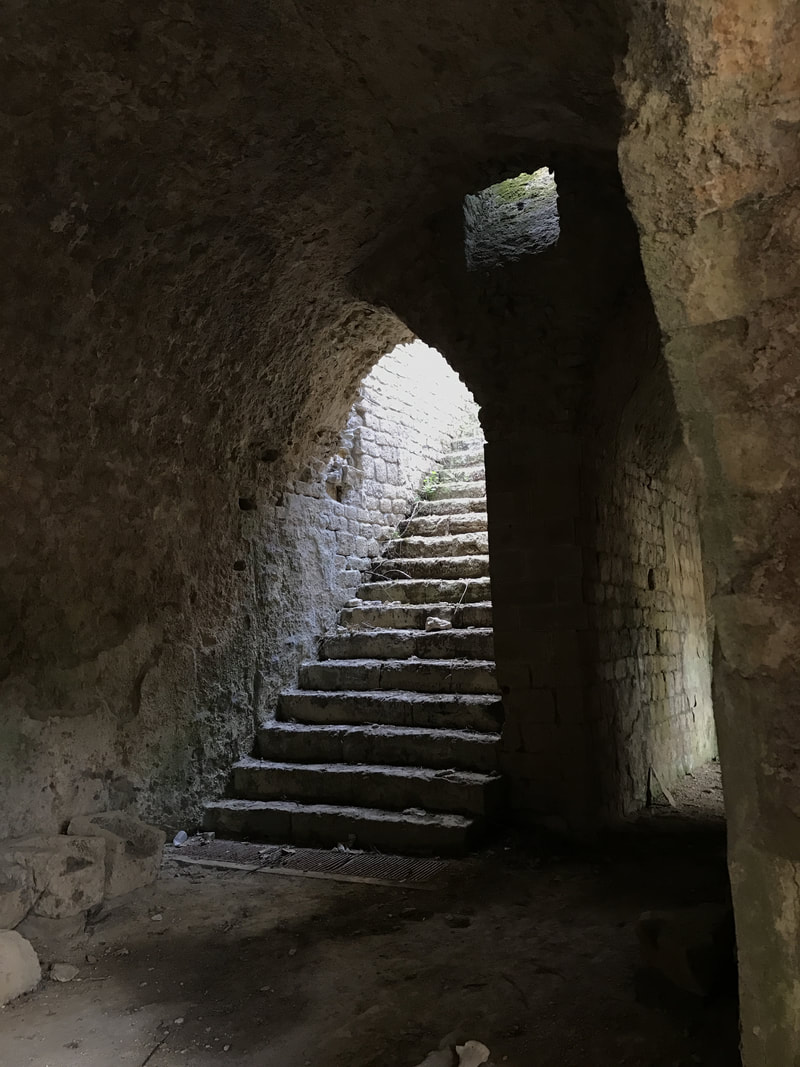
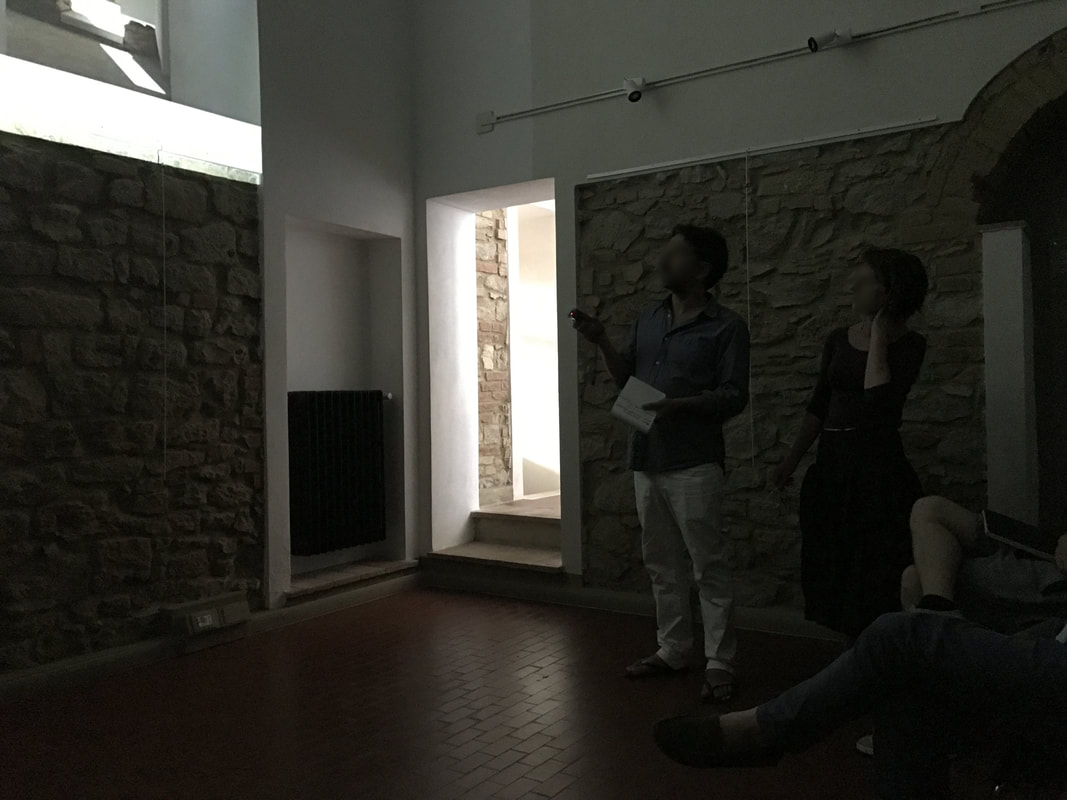
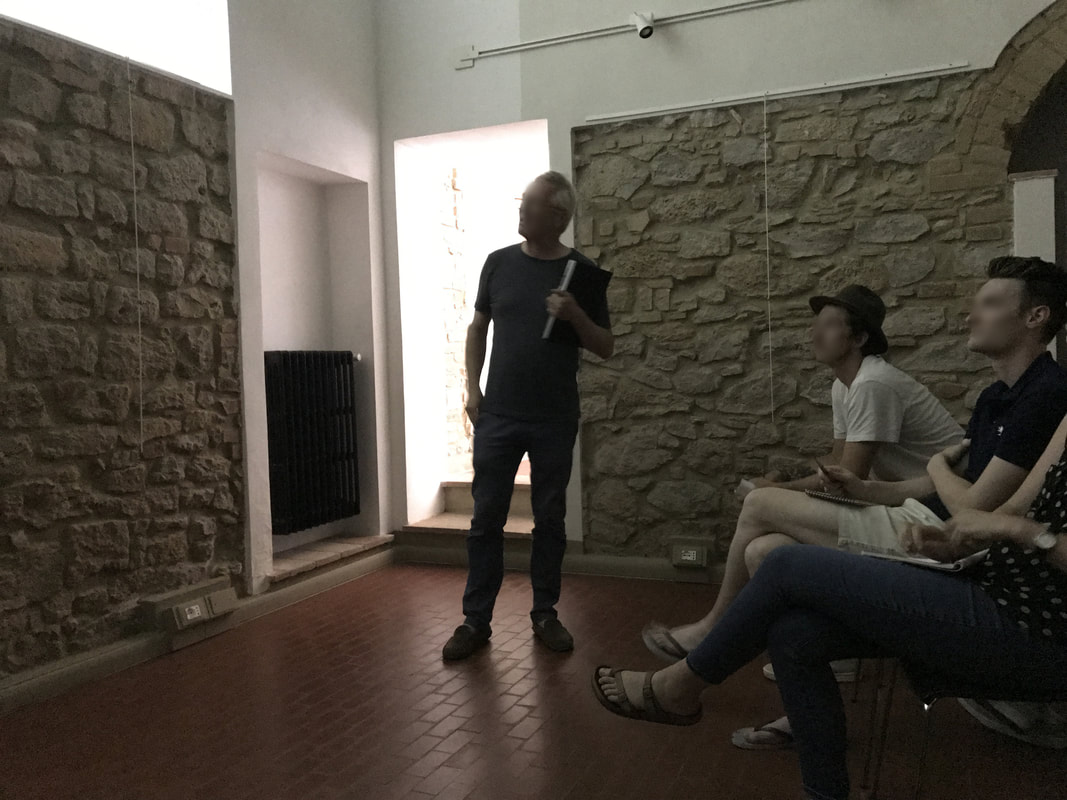
The actual entrance for the audiences back in the days. Notice the light well between the vault and the bearing wall
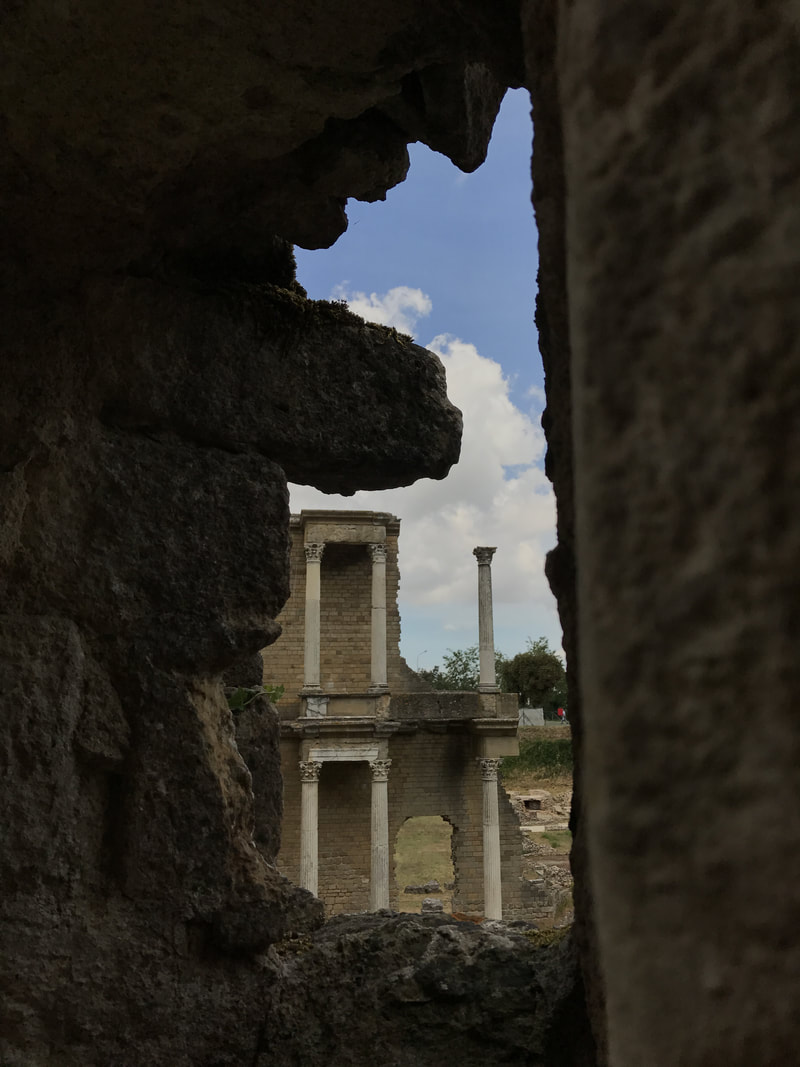
Peeking through the opening on the wall
Notti Bianche
The Notti Bianche (the white night festival) of Volterra was held on the July 29th. The festival was originally started in Russia and now many countries. During the festival, all the museums are free for visit until midnight, and many live music performances will be held throughout the city. 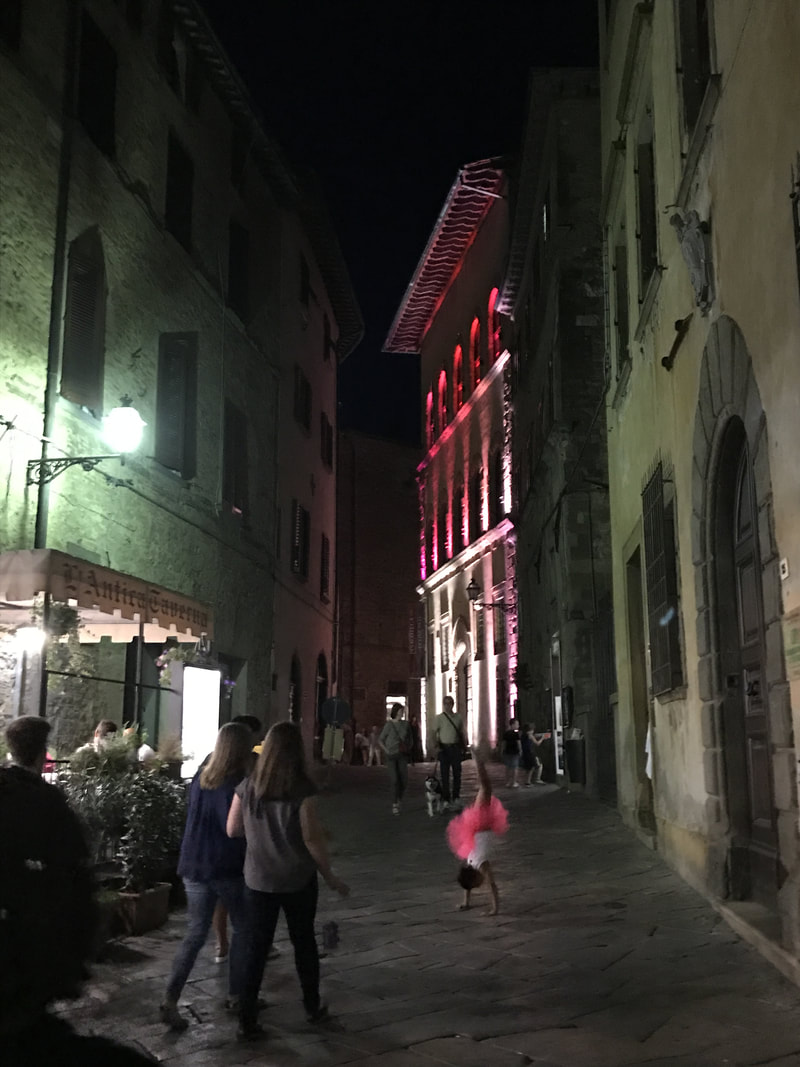
The front facade of the museums were all lit up and can be easily spotted from afar
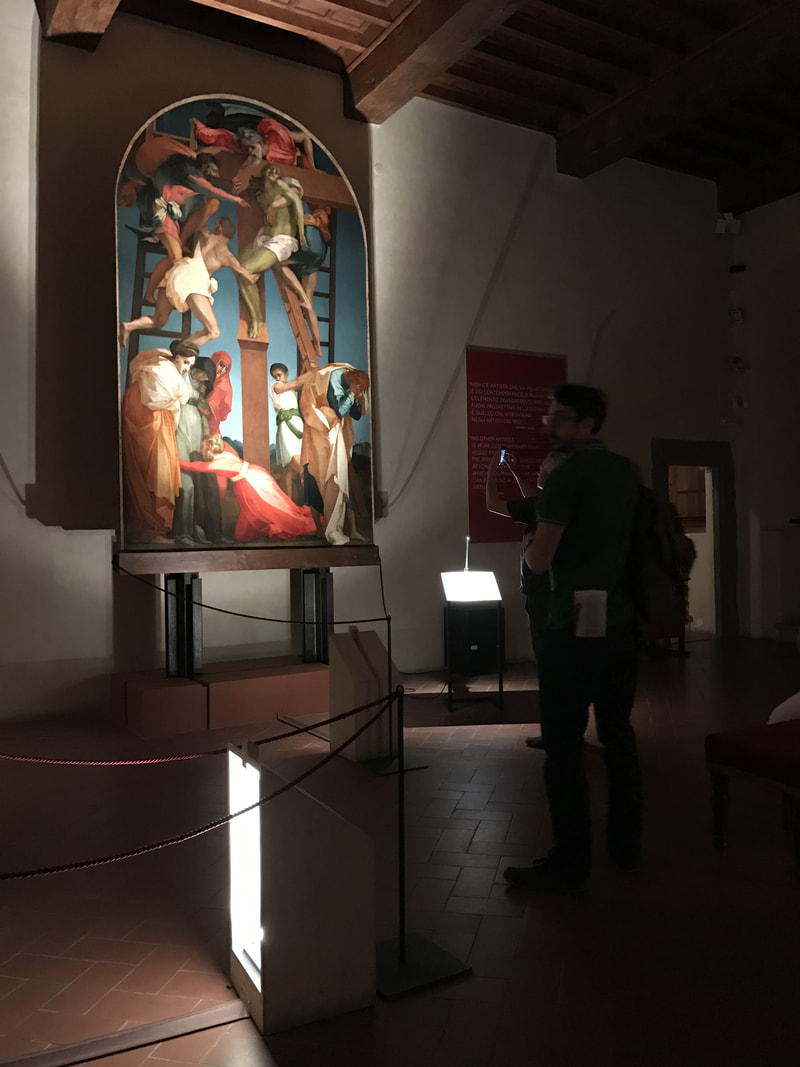
One of the most important pieces in the art museum: The Deposition from the Cross by Rosso Fiorentino. According to the information panel: "The Deposition from the Cross is definitely the most popular work by Rosso Fiorentino. The large altarpiece represents a significant moment in the history of Italian painting. Experts consider that it best embodies the canons of the Mannerism, the artistic style that in the early 1500 contributed to the birth of modern painting in Italy. "
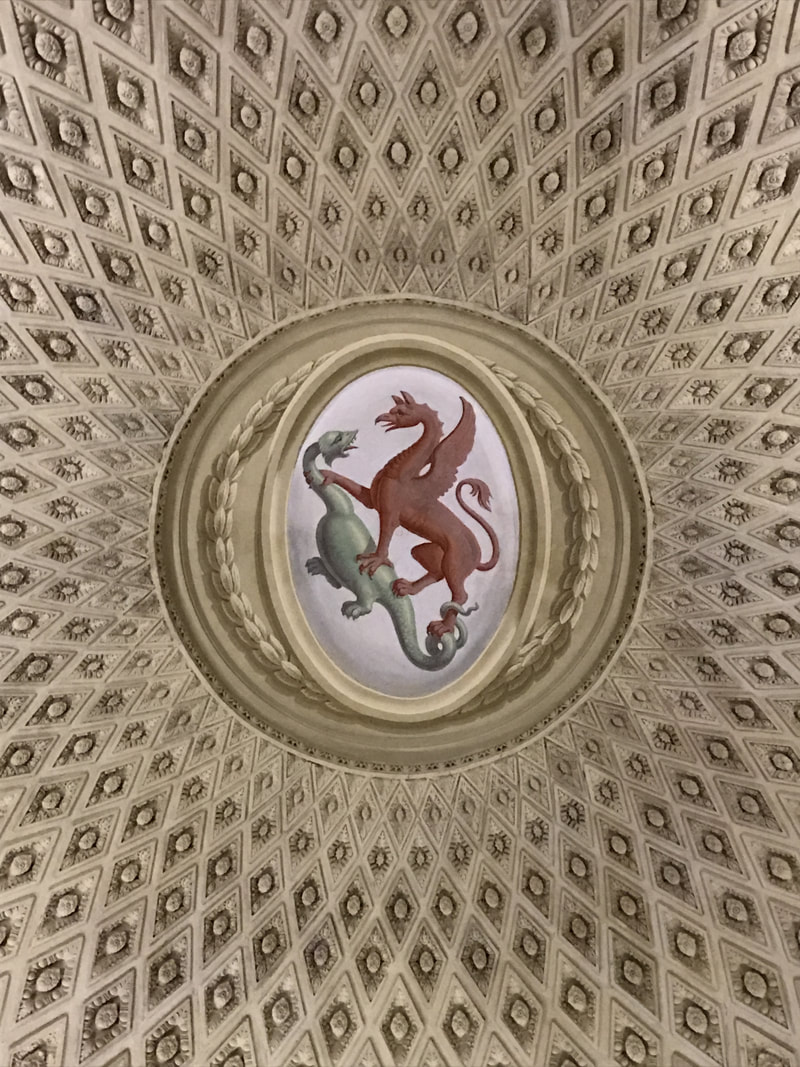
The symbol of Volterra on the ceiling of the city council hall: a griffin battling a dragon
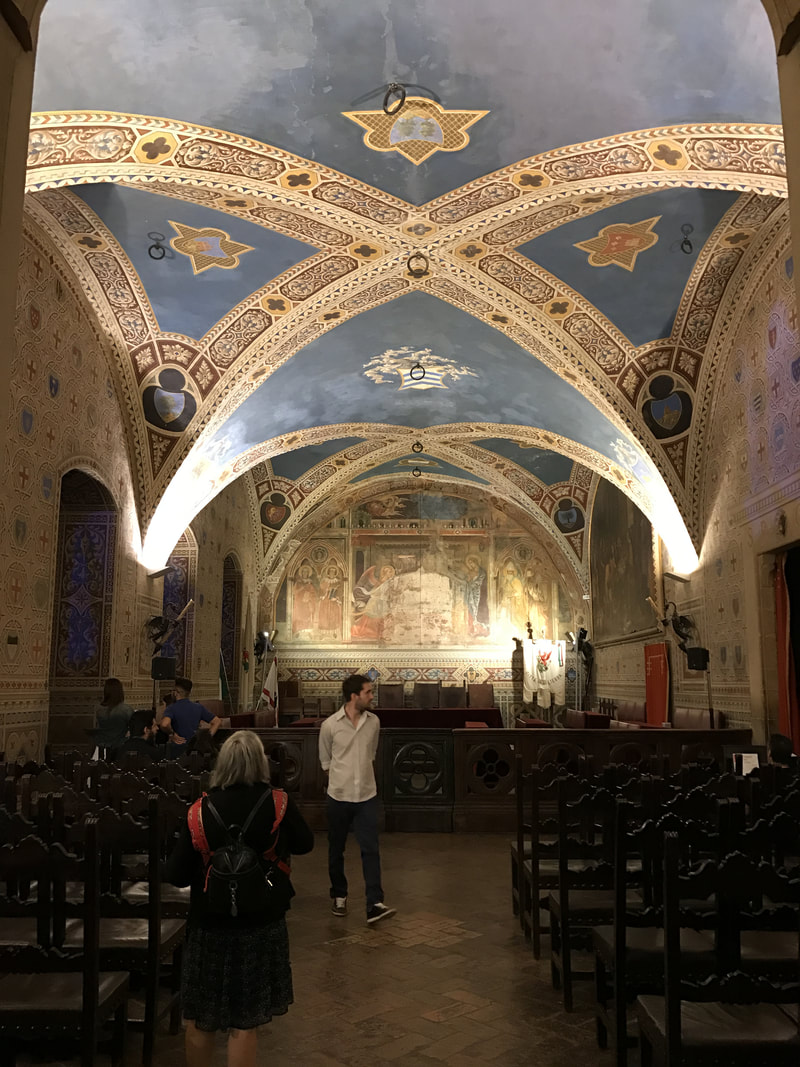
The council hall
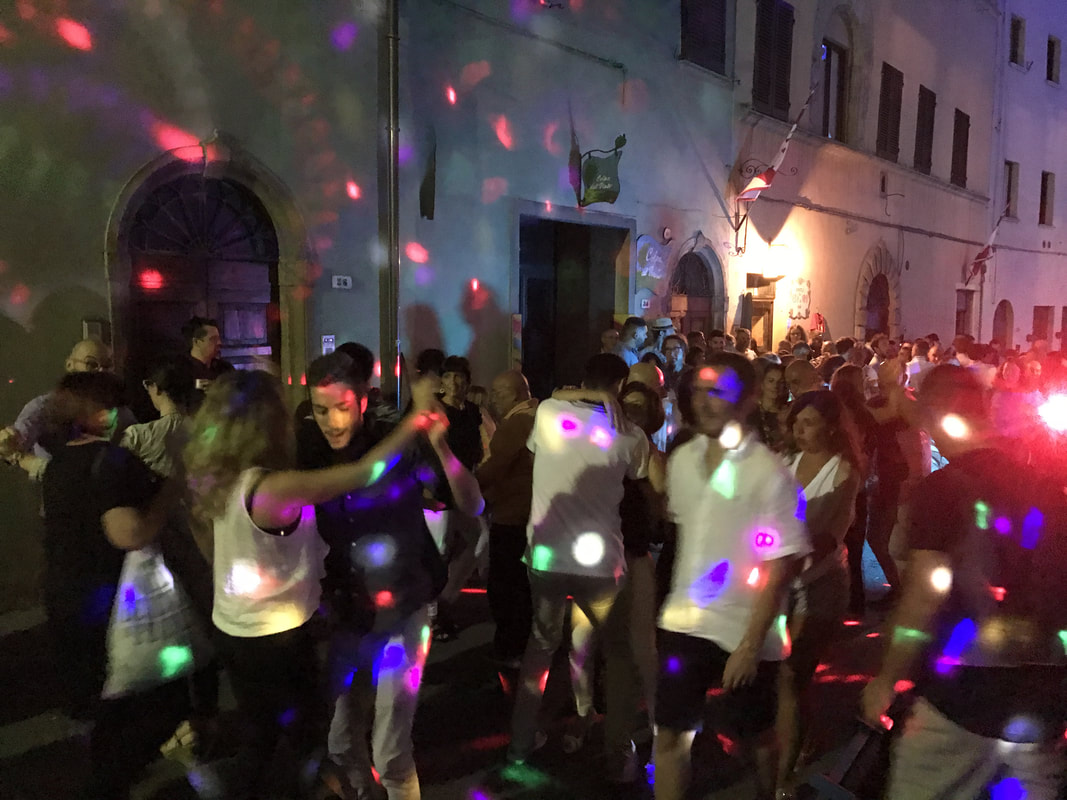
Live music playing on the street and people dancing outside of bars during the White Night
The Faculties
Besides the program director Professor Wladeck, we have the honor of having two other guest advisers: Architect Maciej Miłobędzki of the JEMS Architecture, and a local architect Andrea Bianchi.
Layers of History
As previously mentioned, Volterra is the oldest continuously inhabited town in Tuscany, it's rich history can be seen everywhere in the city. The following pictures are just the tip of the iceberg that shows the cultures and stories amongst this magnificent town. 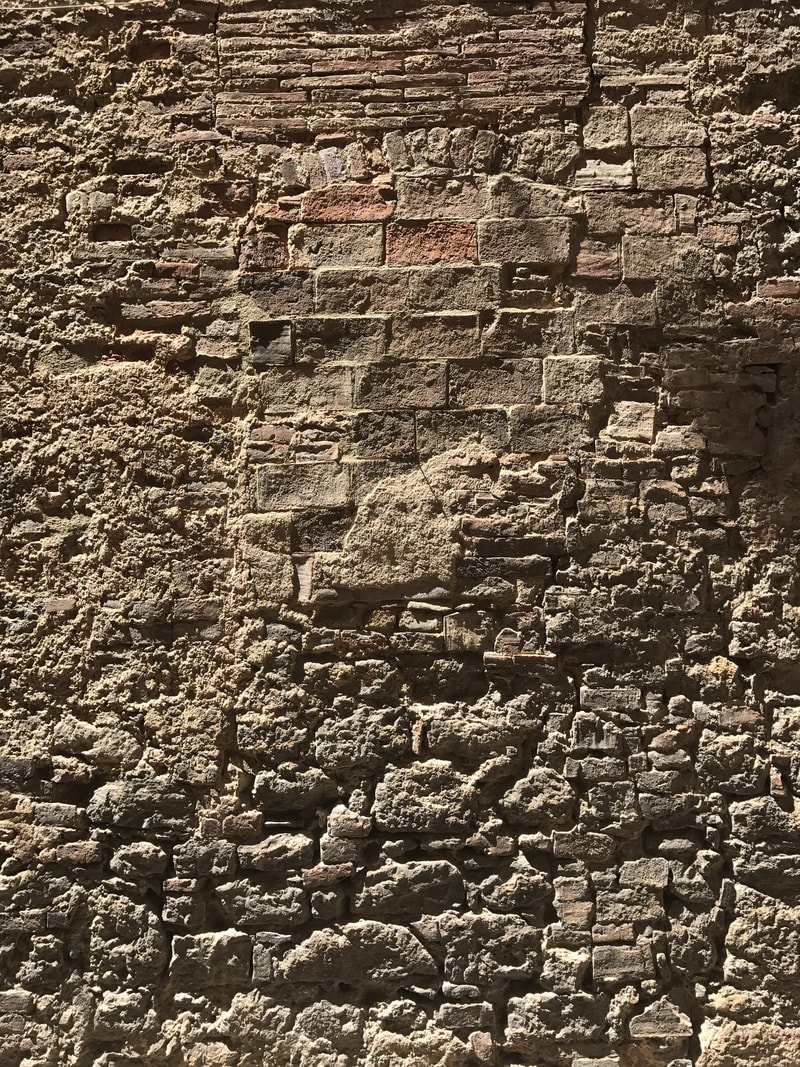
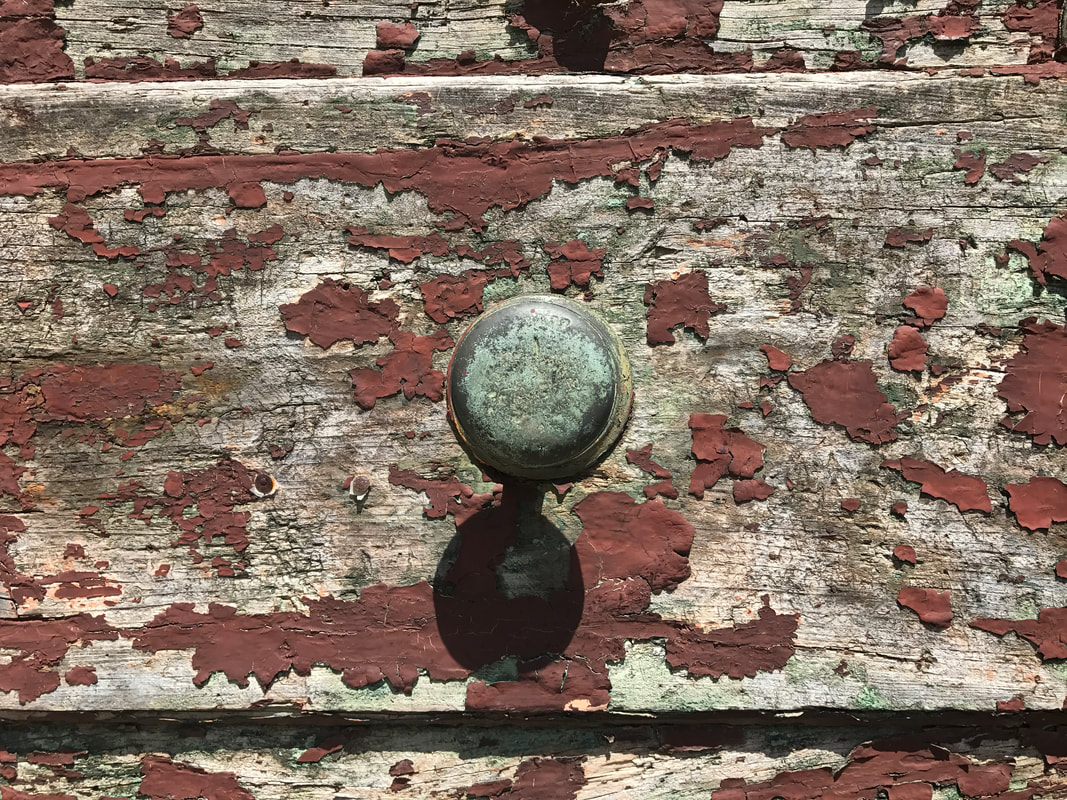
The walls are the manifestation of history itself with layers of different materials from different eras
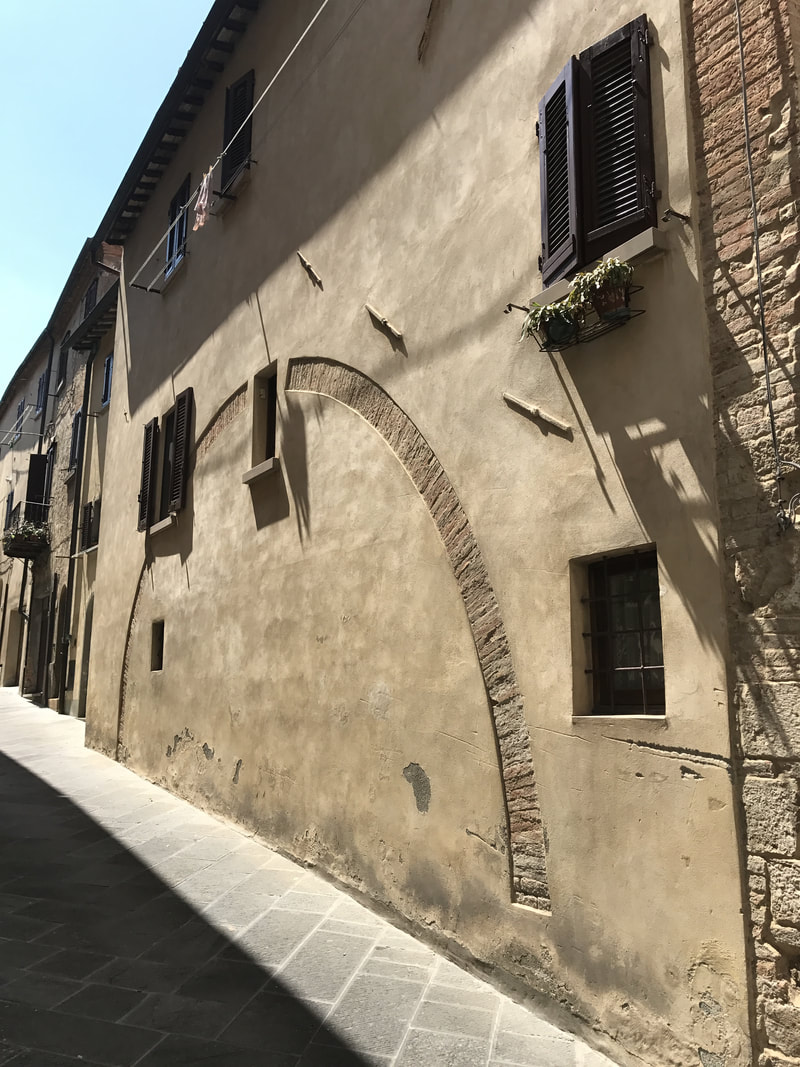
Additional anchors and reinforcements had to be added on the old walls to prevent collapsing
0 Comments
From Urbana to Venice
Punta della Dogana
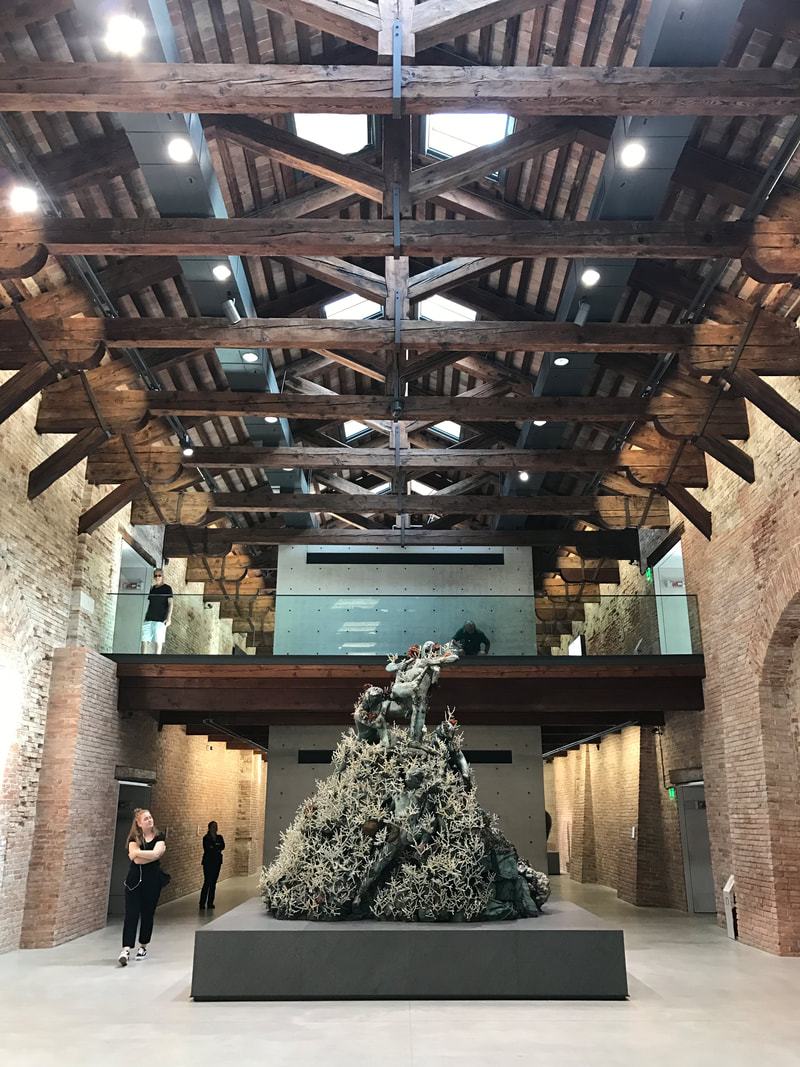
The first thing I visited in Venice was the restoration project by Tadao Ando. It's actually a pretty recent project completed in 2009. It's funded by the French Billionaire and art collector, François Pinault. The building was originally built as the customs center since it's in the intersection of two biggest canals. 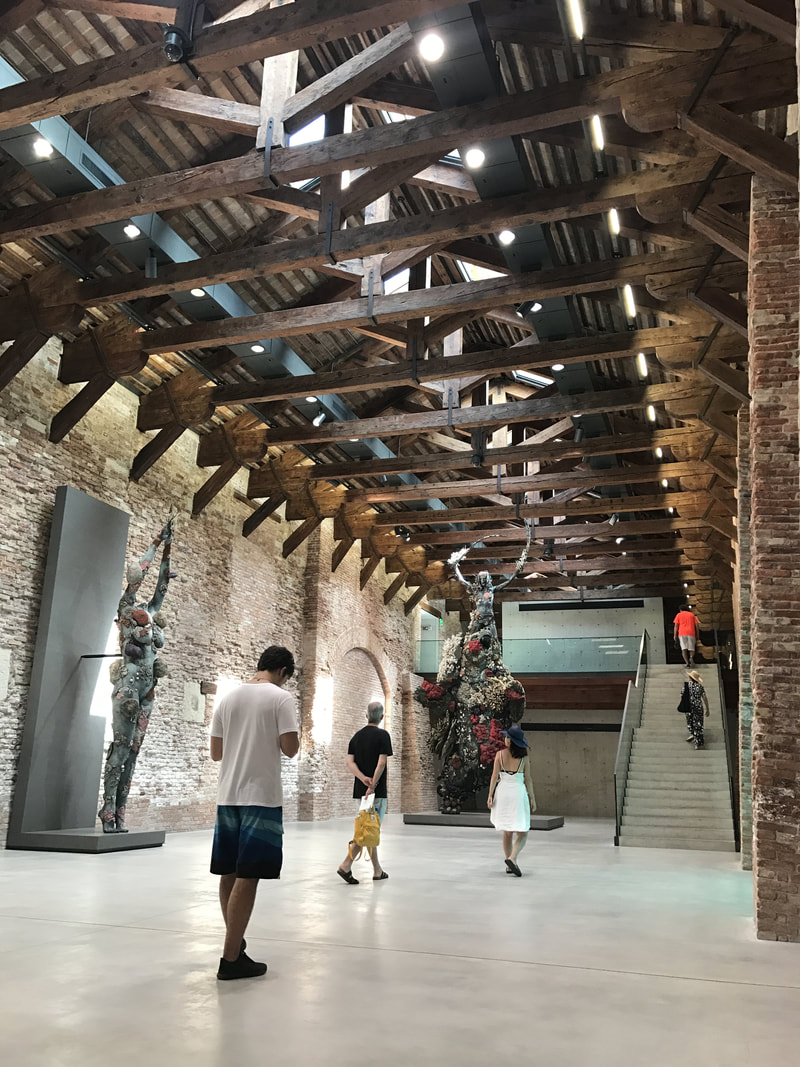
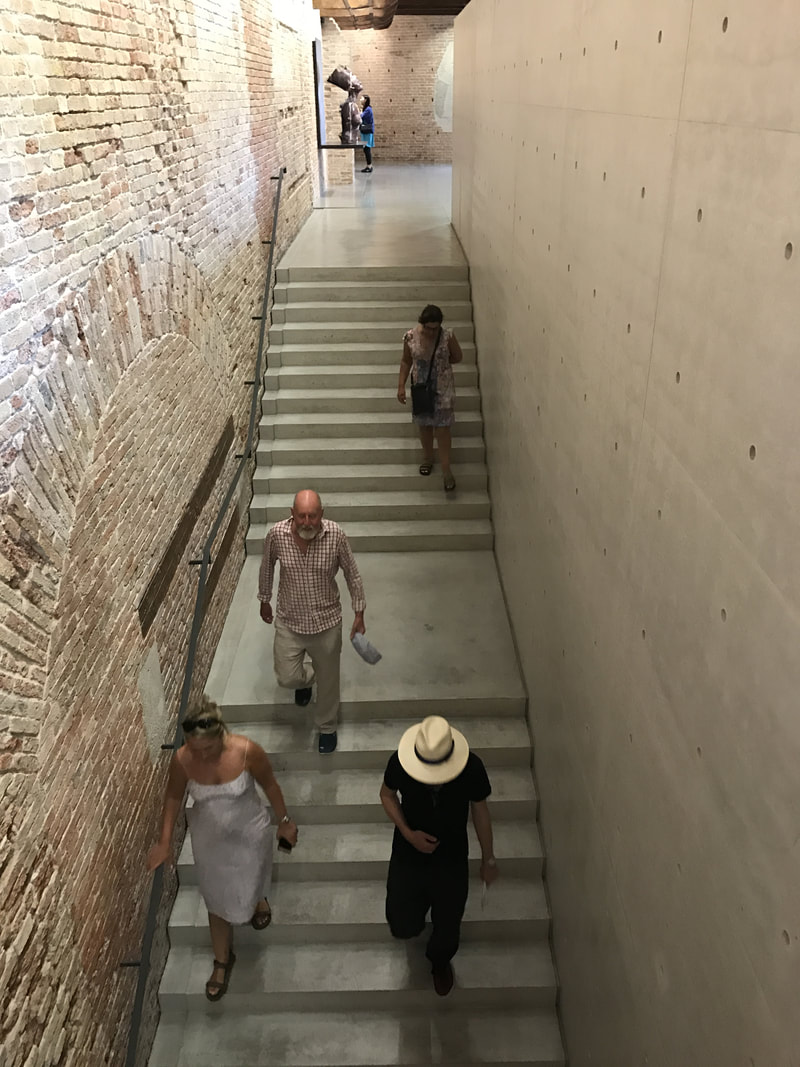
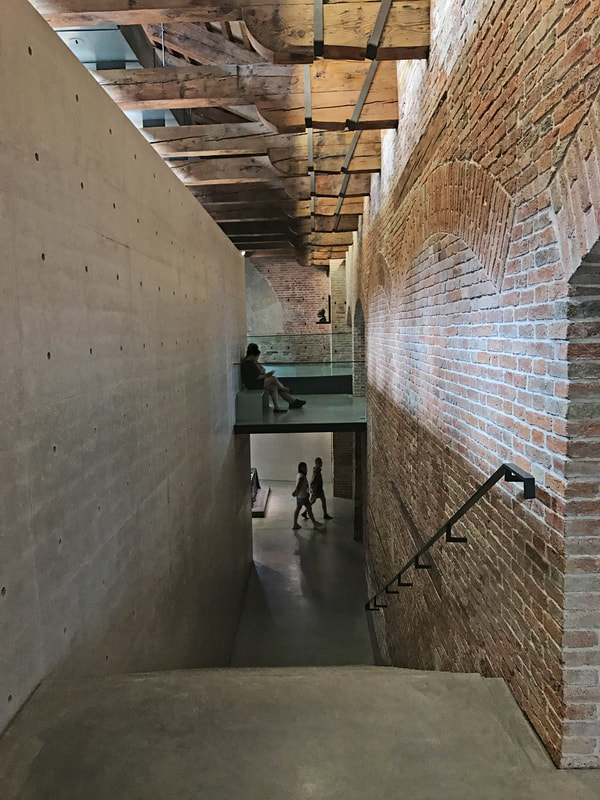
Ando kept all the old structures and added his signature concrete to create a second floor
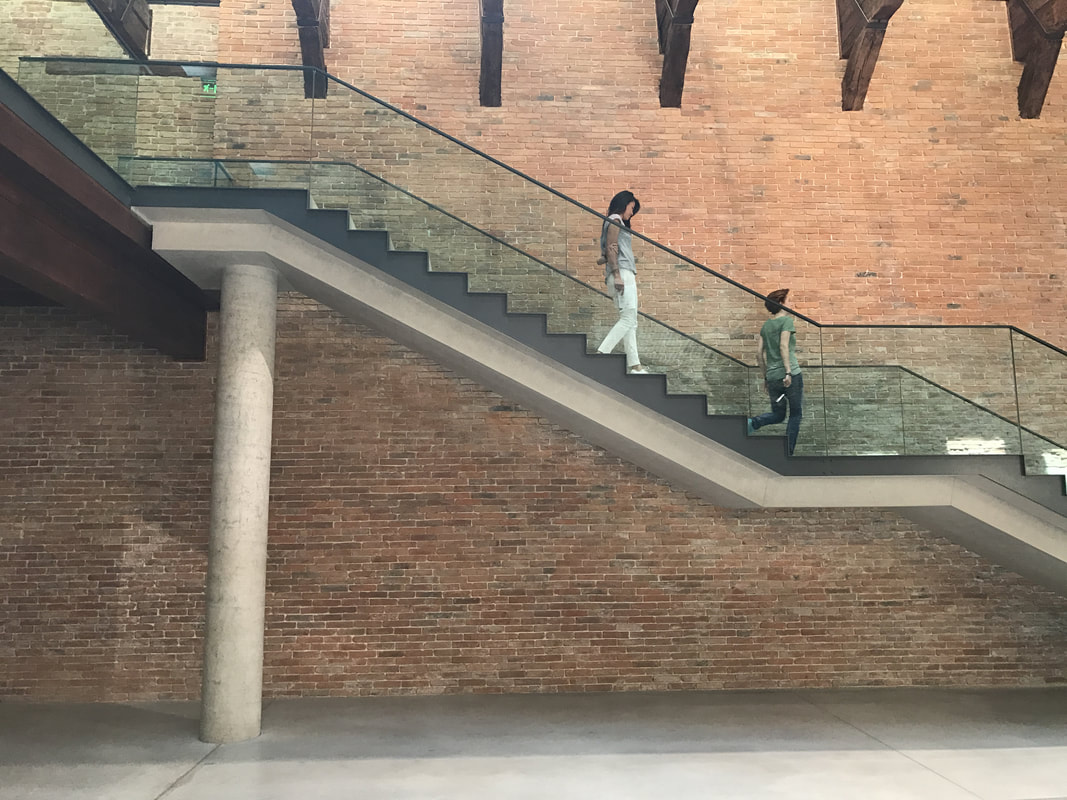
The stairs serve as the separation of old and new. Ando left a gap between the new materials and the old.
Arte Biennale 2017
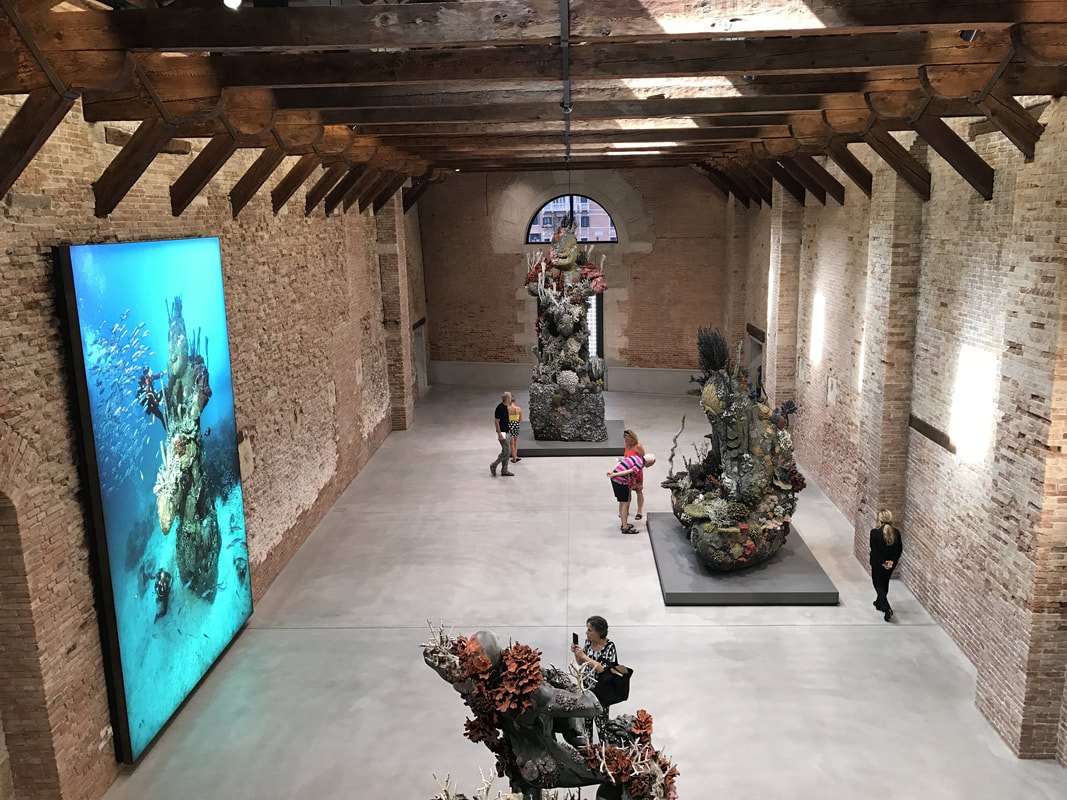
The Venice art Biennale is the original biennale since 1895. The biennale invites artists from all around the world to display their arts. It has two permanent exhibition locations: the Arsenale and the Giardini. The Giardini houses multiple pavilions of different countries, kinda like the World Expo, and they are mostly designed by architects around 20th century, for example: Carlo Scarpa and Alvar Aalto. I will not show all the art works from the exhibition because that is not the point of this blog. 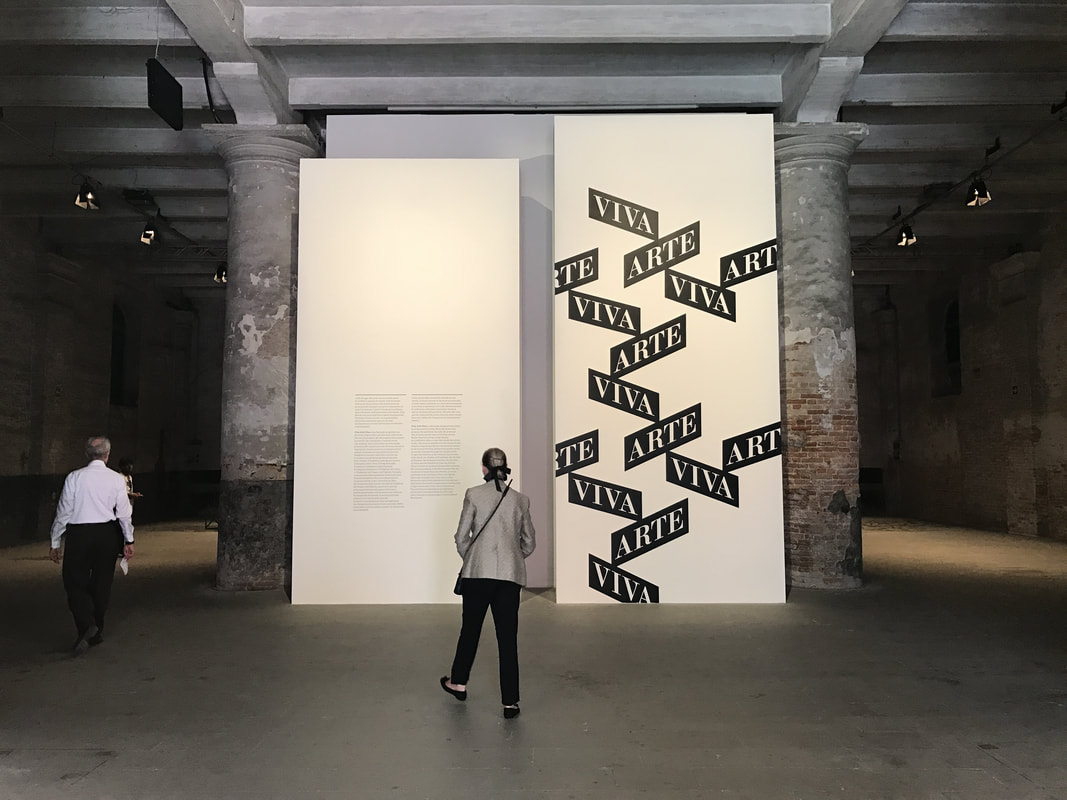
Entrance of the exhibition at Arsenale
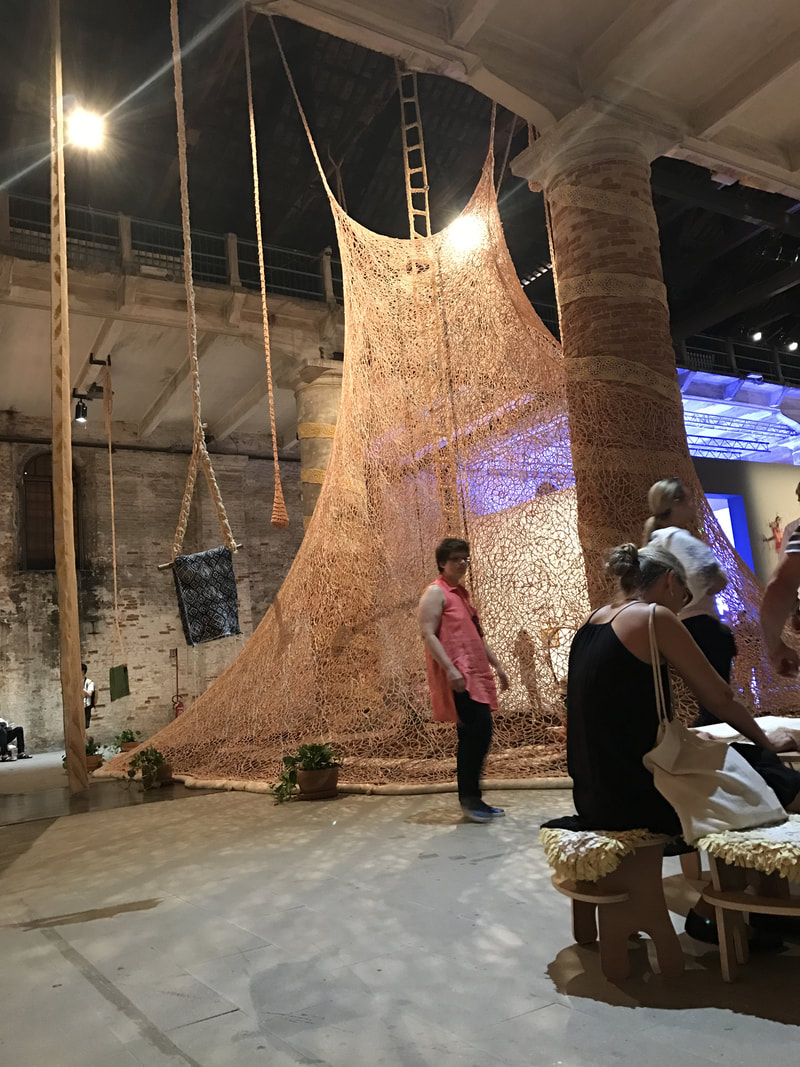
The Earth tent invites people to take off their shoes and play instruments inside the tent
From my observation, there are a lot of arts that's related to time. These pieces seek interactions from the visitors and create a specific moment of experience. A lot of the arts are also site-specific, they were created under the intention of being displayed either in the Arsenale or Giardini.
The gif above is an example of including time into the design: the artist use the water to erode the newspaper
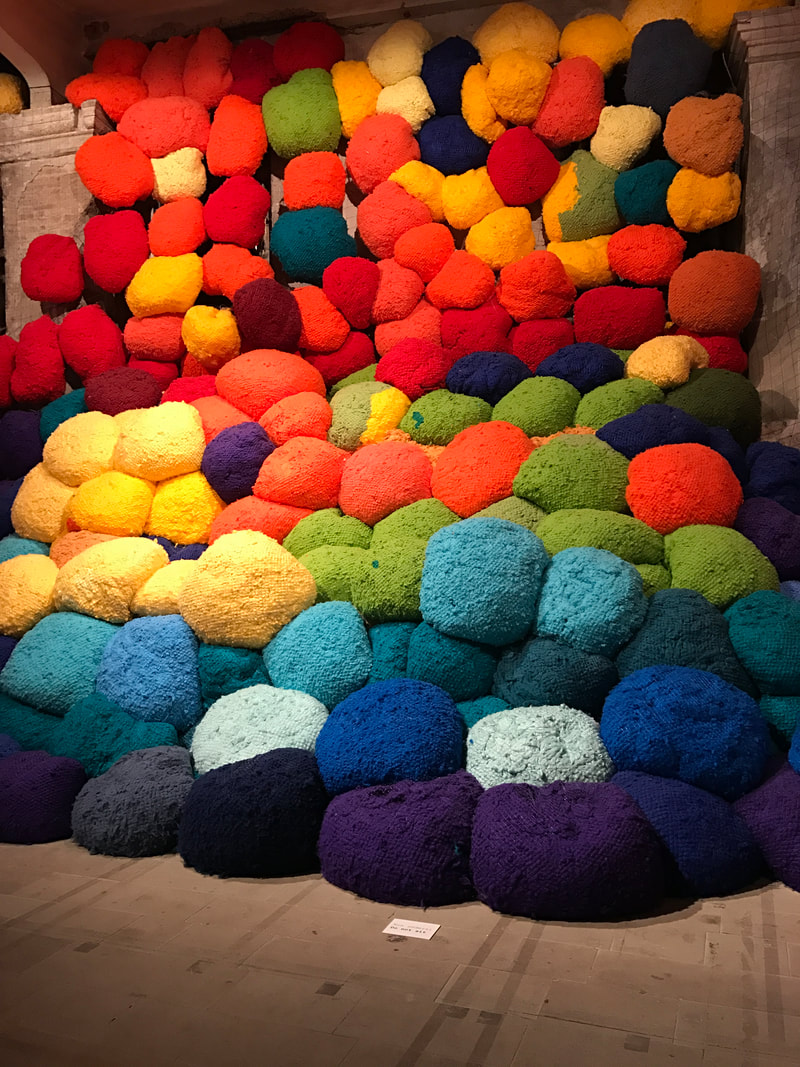
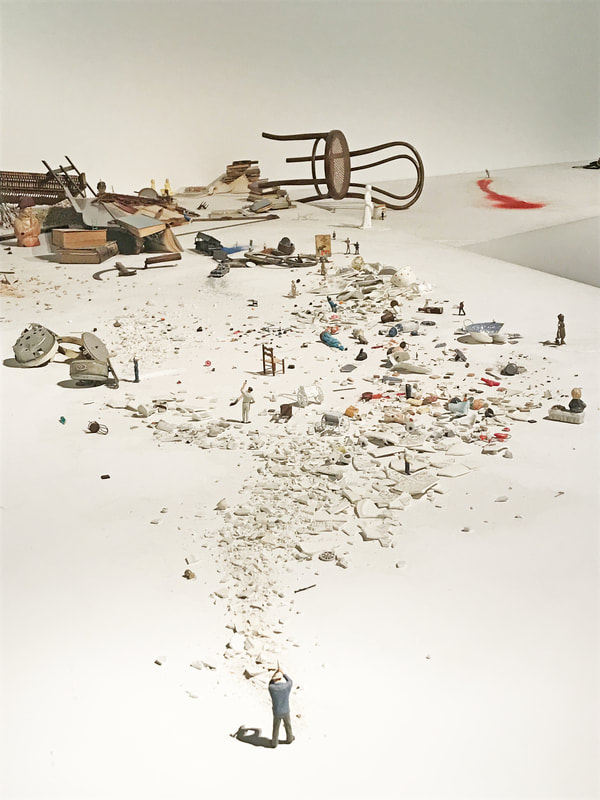
The artist blended the reality and imagination together into this piece
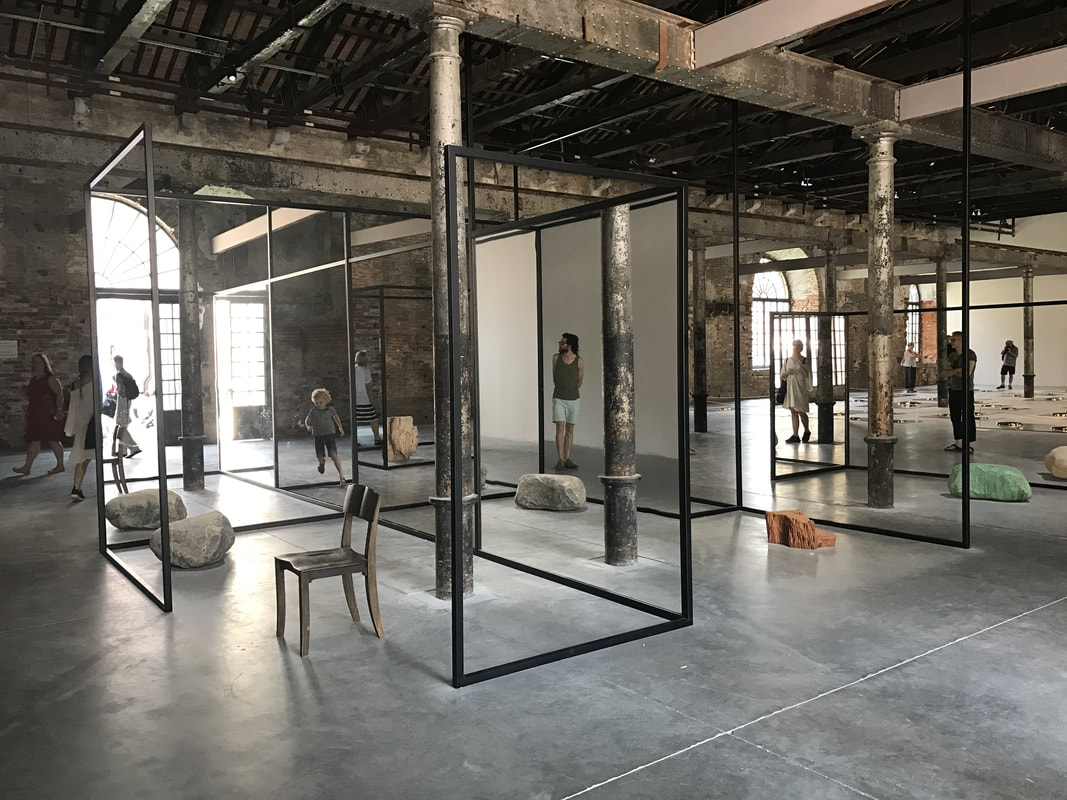
This is one of my favorite pieces in the Arsenale exhibition. It's created by the artist Alicja Kwade, who's originally from Poland, and now lives and works in Berlin. It says in the introductory panel:
In the Corderie, Alicja kwade creates a sculpture-and-performance-based installation. kwade plays with the viewer's knowledge and proposes a disjointed walk through the work. The sculptures are meant to found a new metaphysical order, where materials are connected to moments of time carefully chosen by the artist. As a thought experiment about object in time, the installation presents a boulder transferred into steel and then to stone and wood, leading back to bronze and stone..." 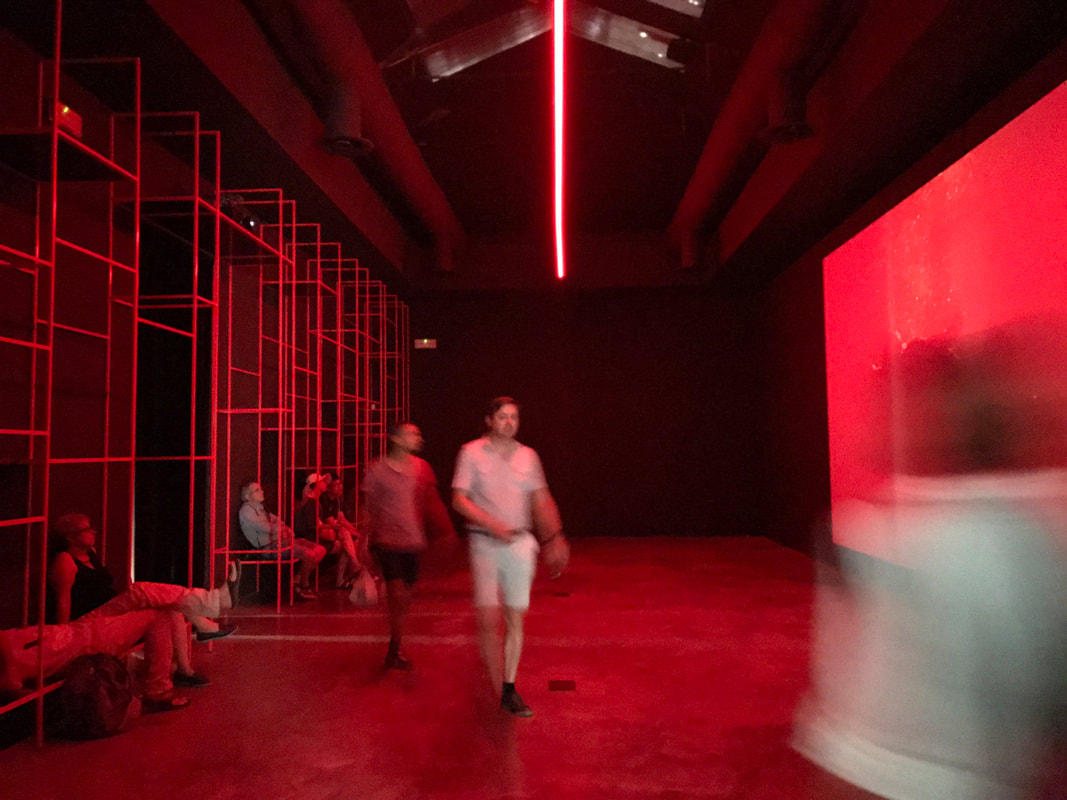
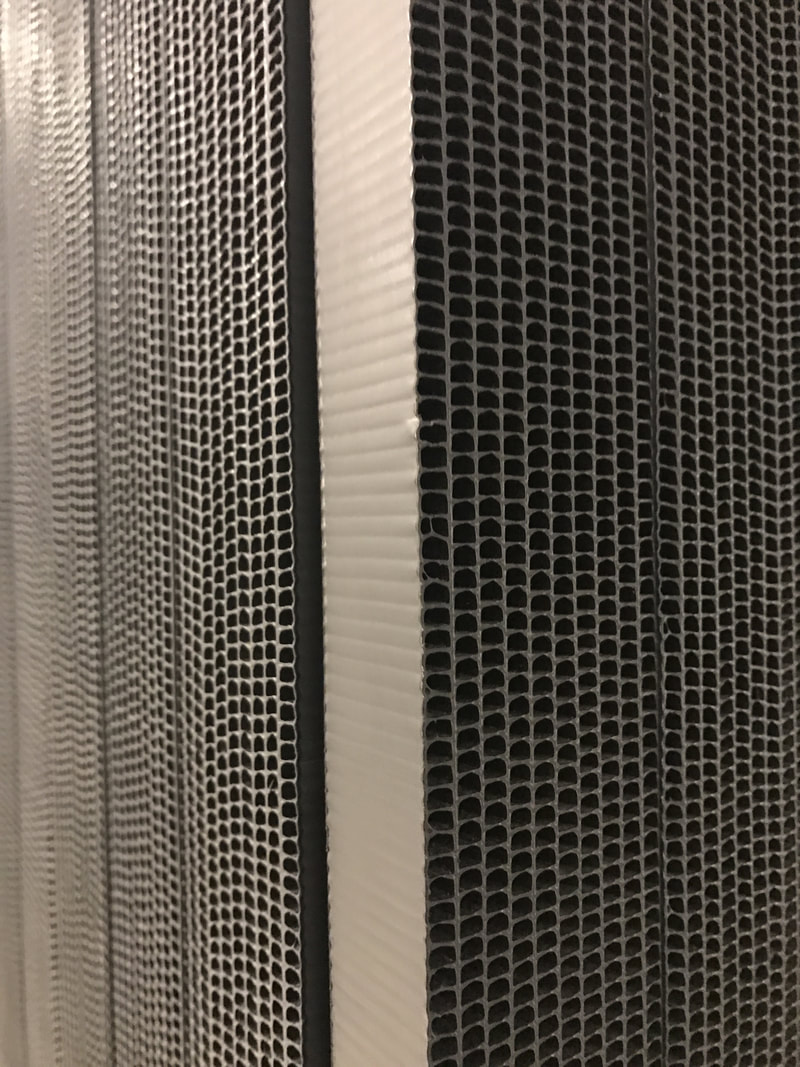
In the Russian pavilion, there's a section where walls are made out of black fluted polypropylene. The opaque and transparent effect are absolutely amazing. (Please refer to the gif below)
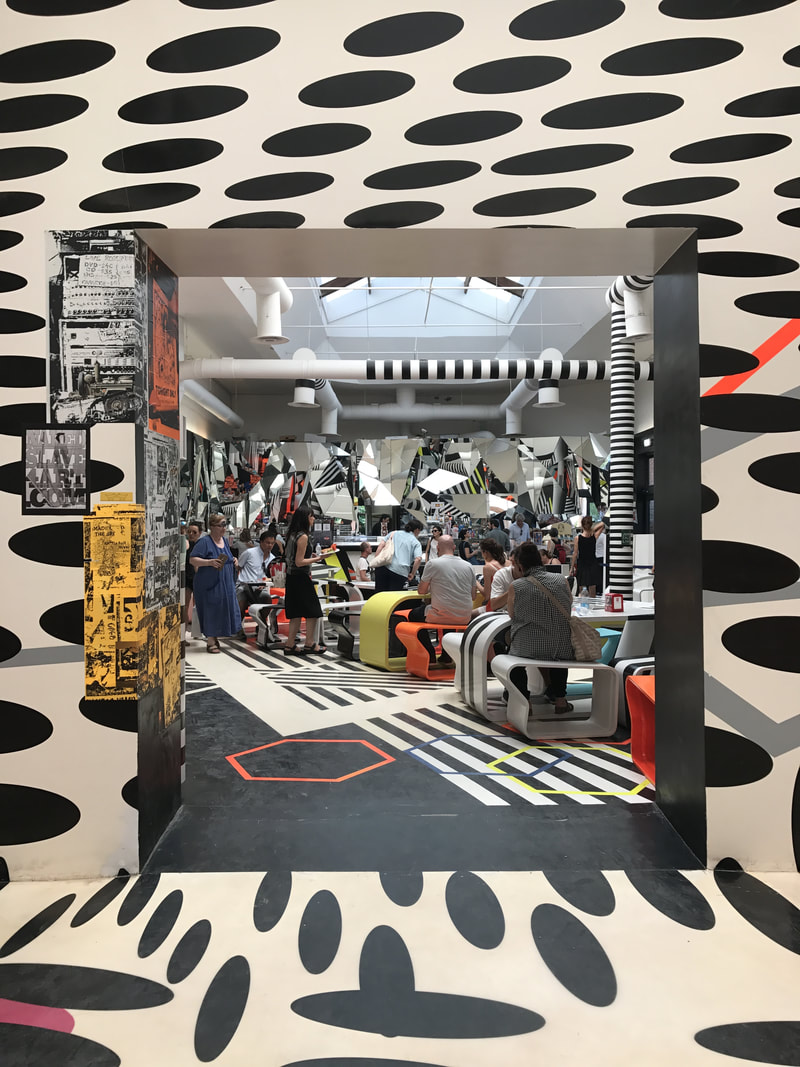
It's a cafeteria
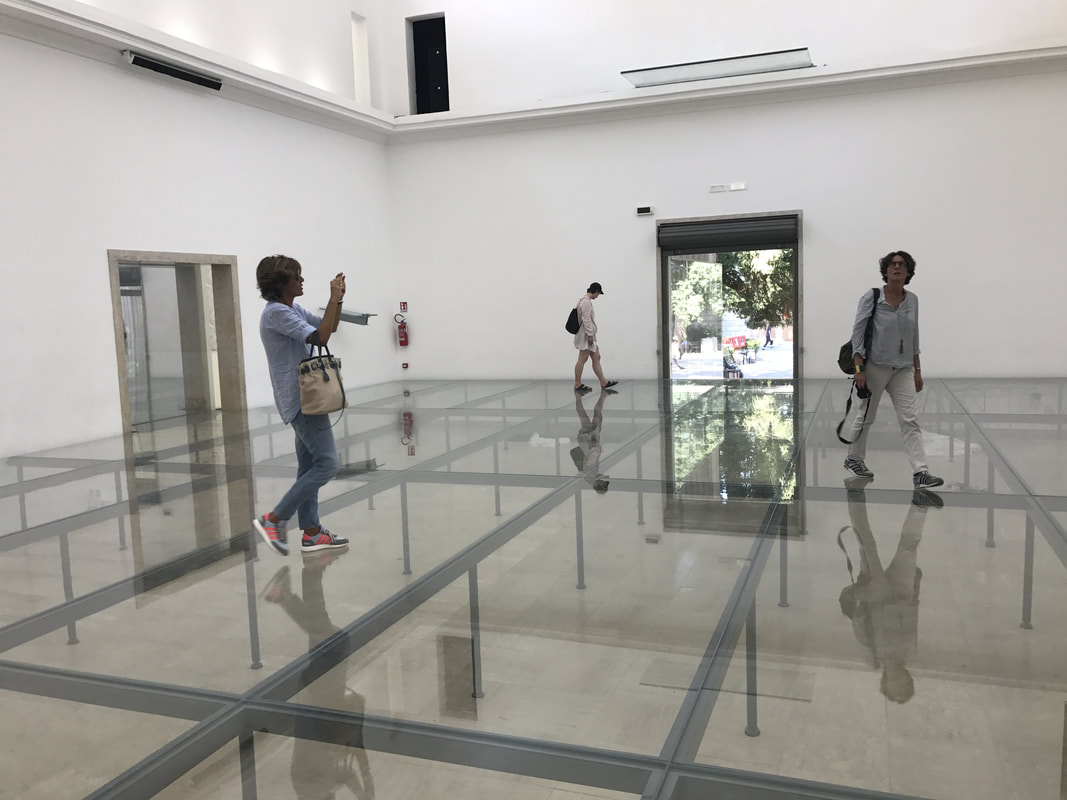
German Pavilion displays arts underneath the glass floor
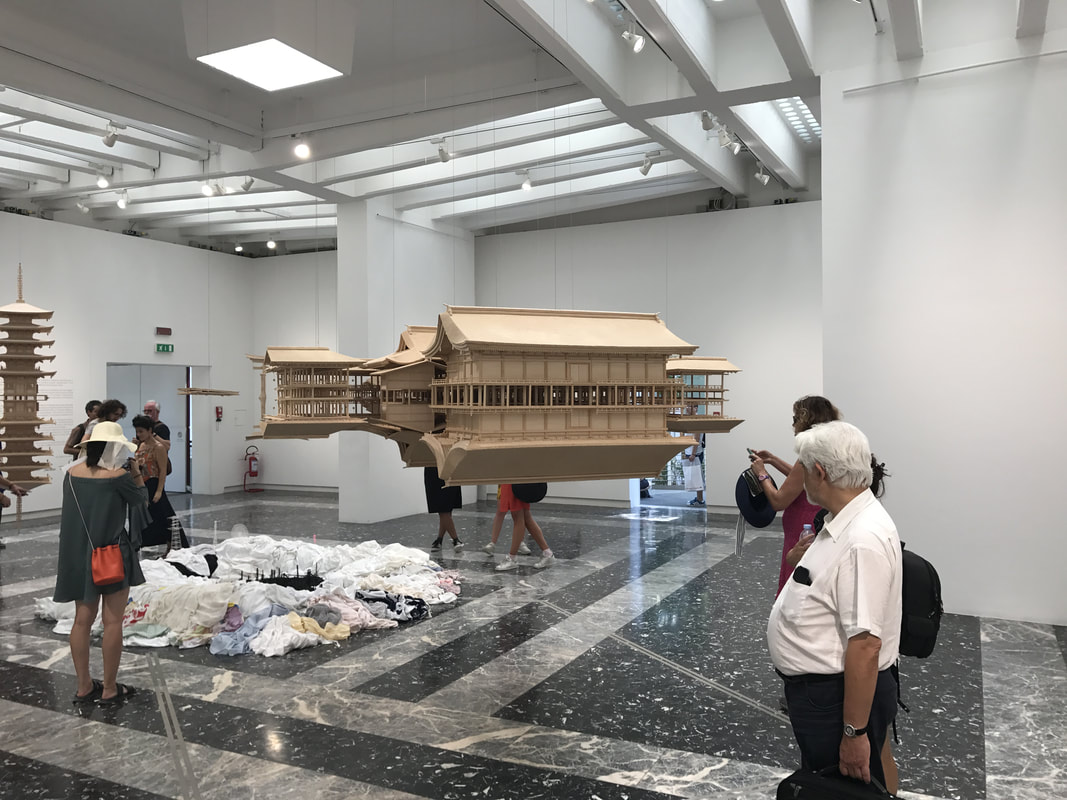
You can probably guess which country of pavilion this is
And Finally, one of my favorite pavilions in the Giardini, the Nordic Pavilion by Sverre Fehn. It's a solid design that invites the light in and adjusts according to the site and the existing trees.
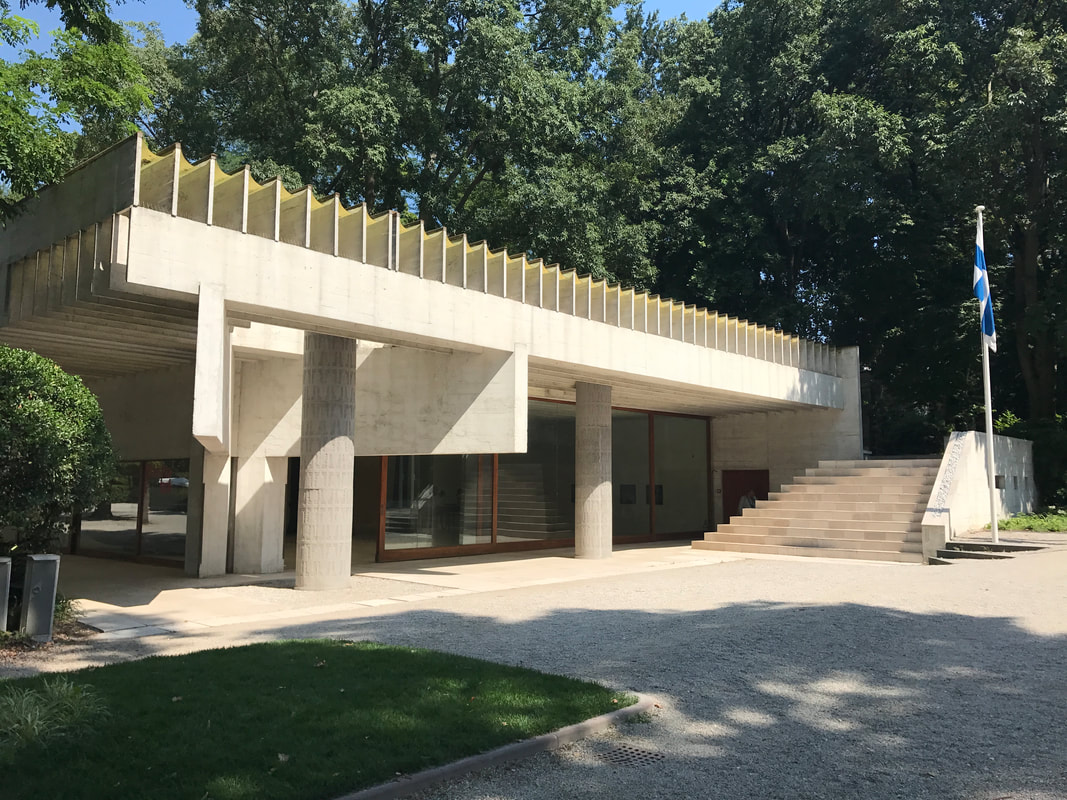
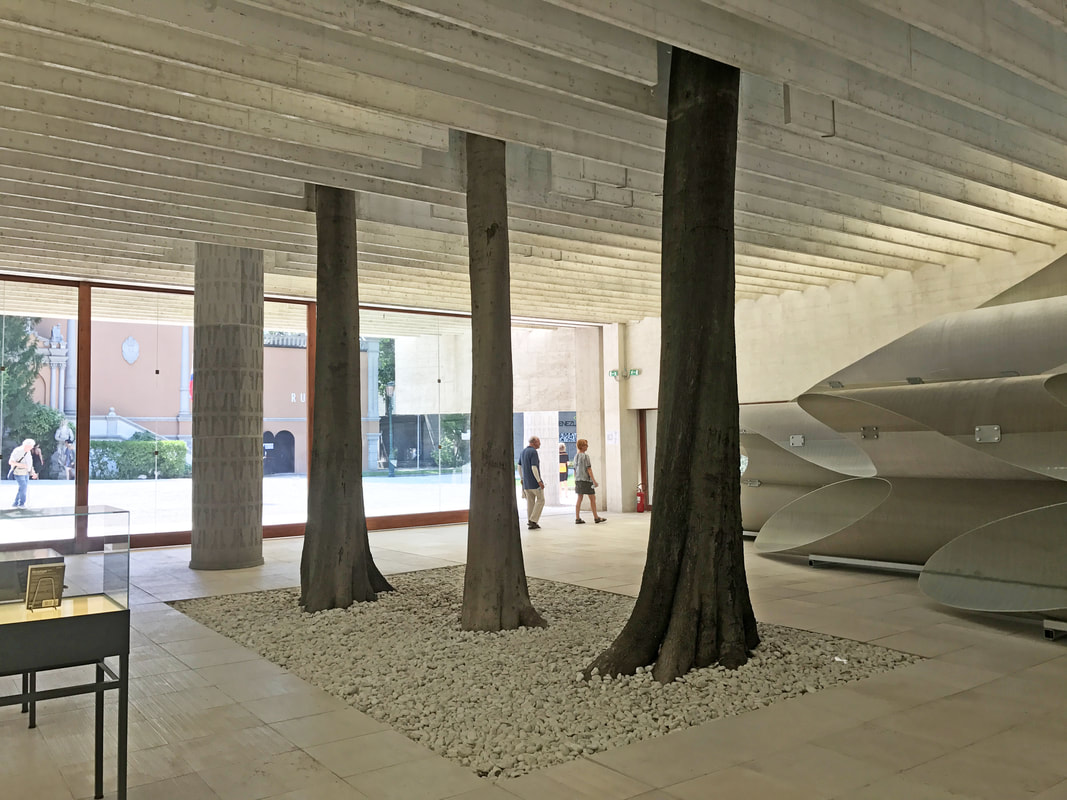
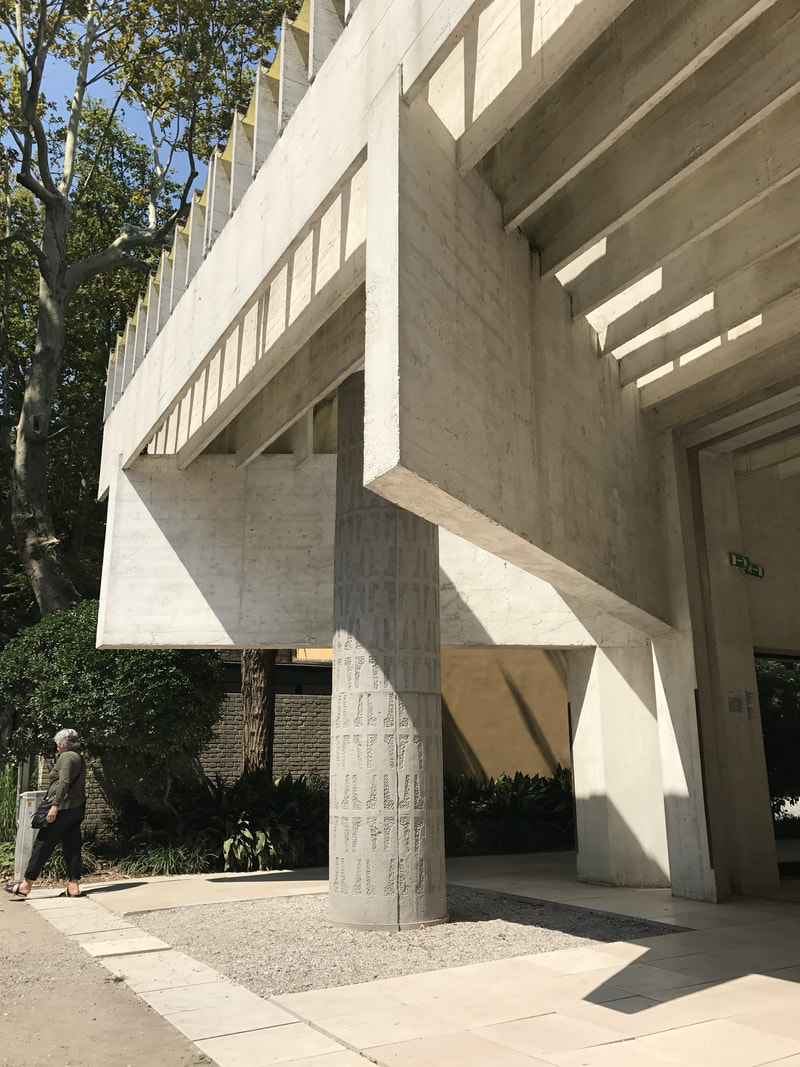
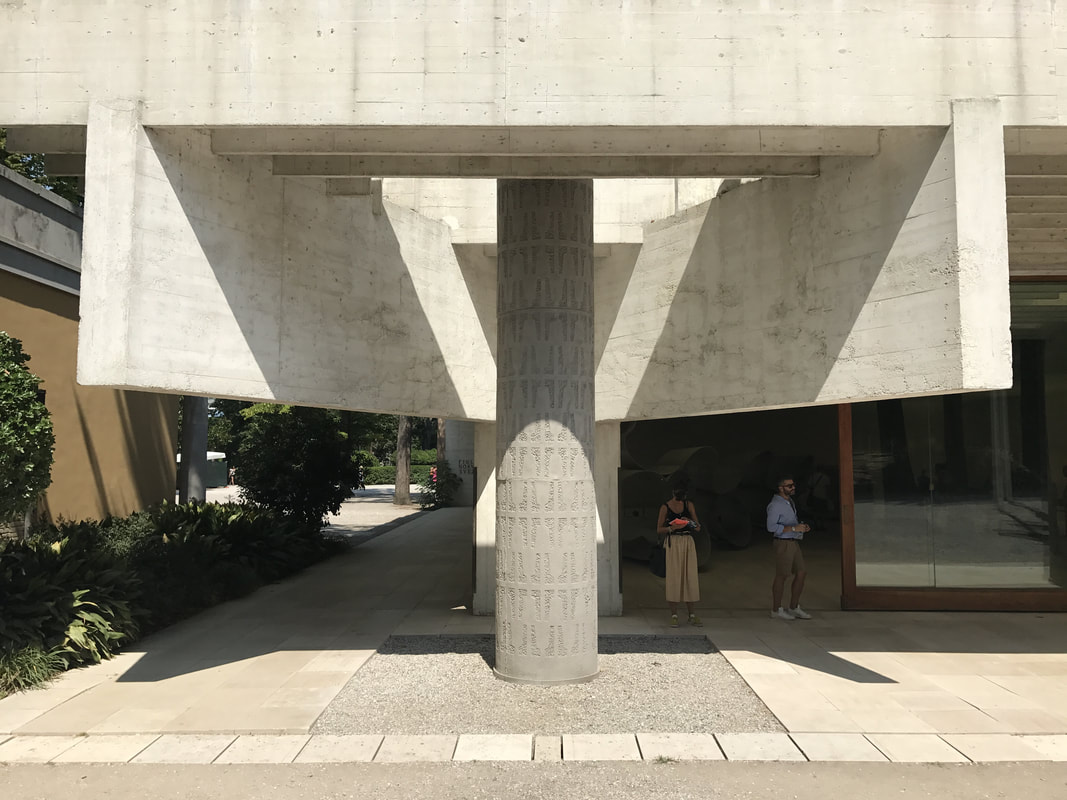
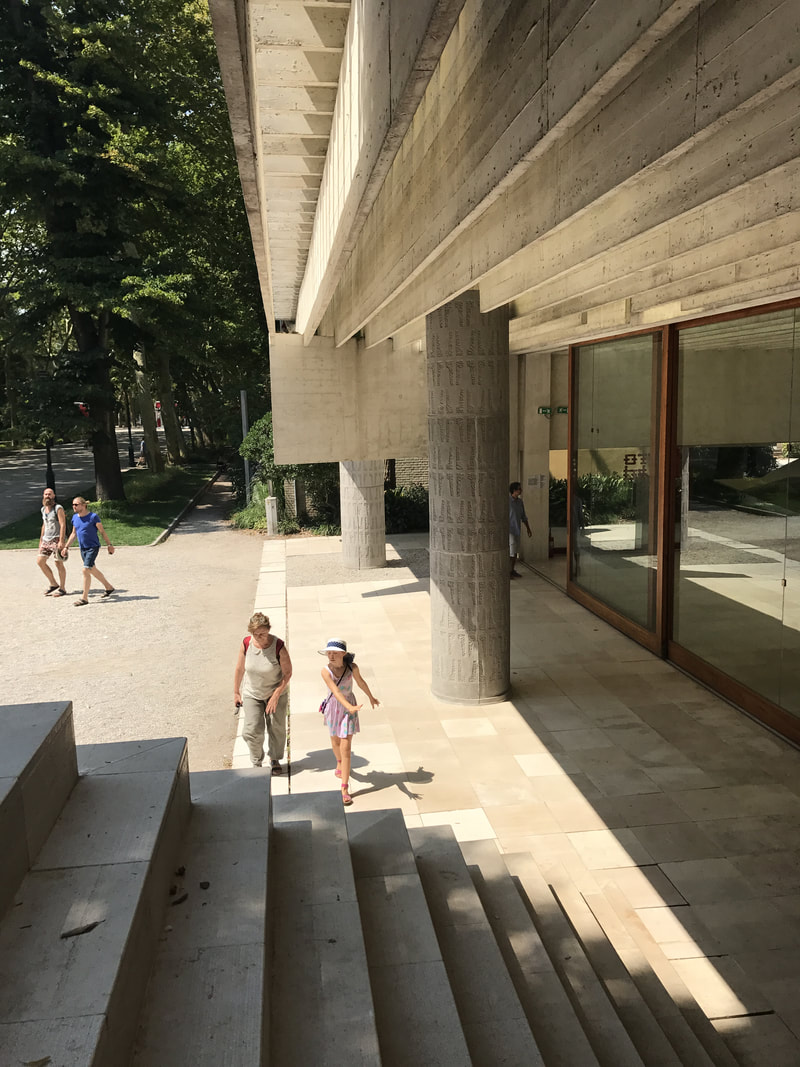
Let me know what yall think!
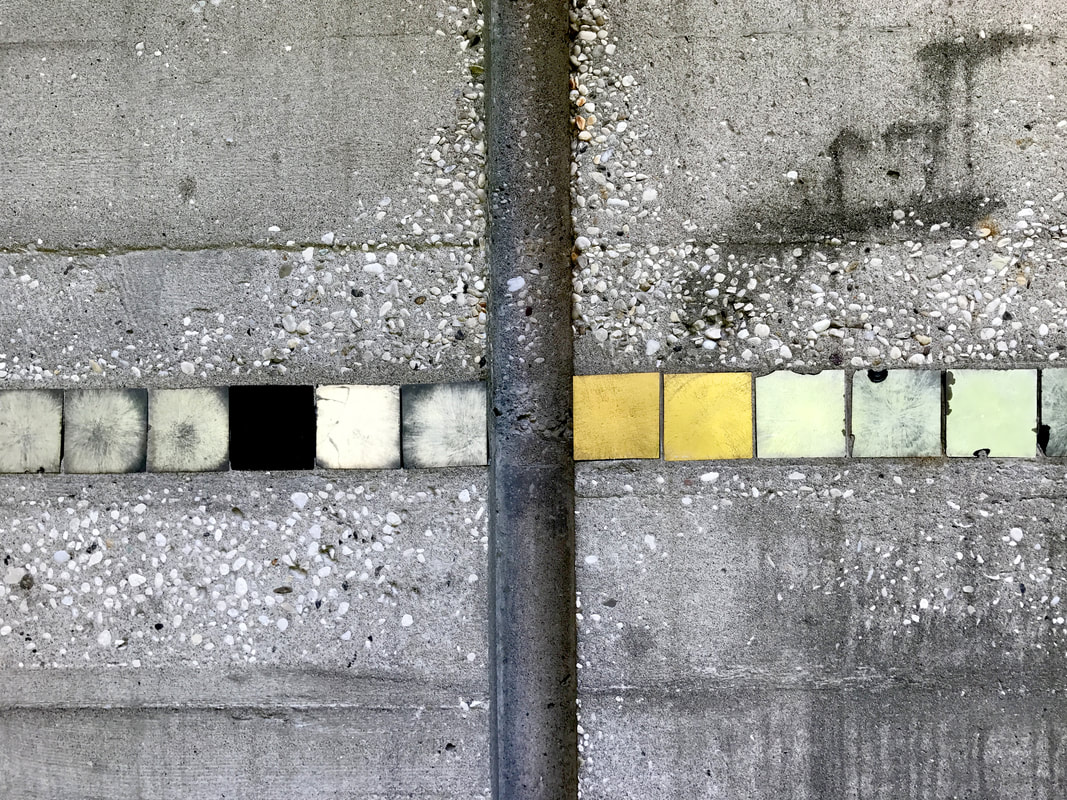
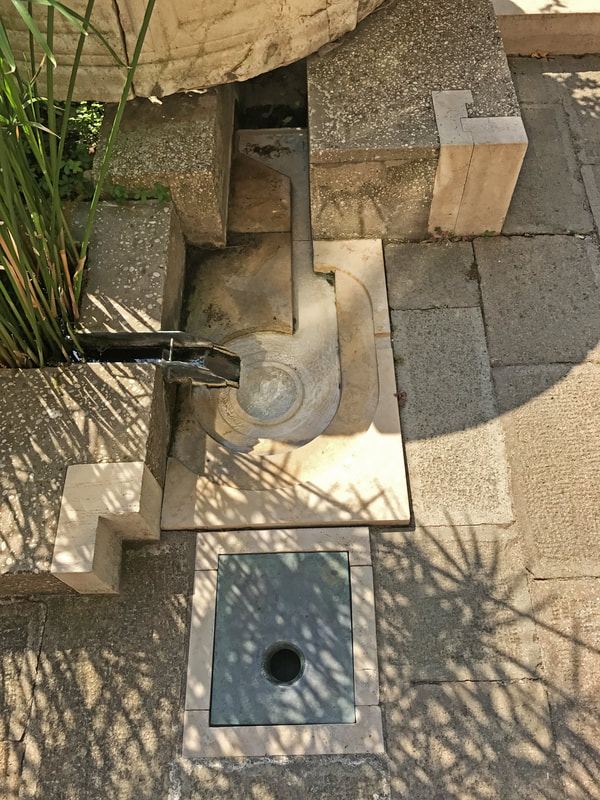
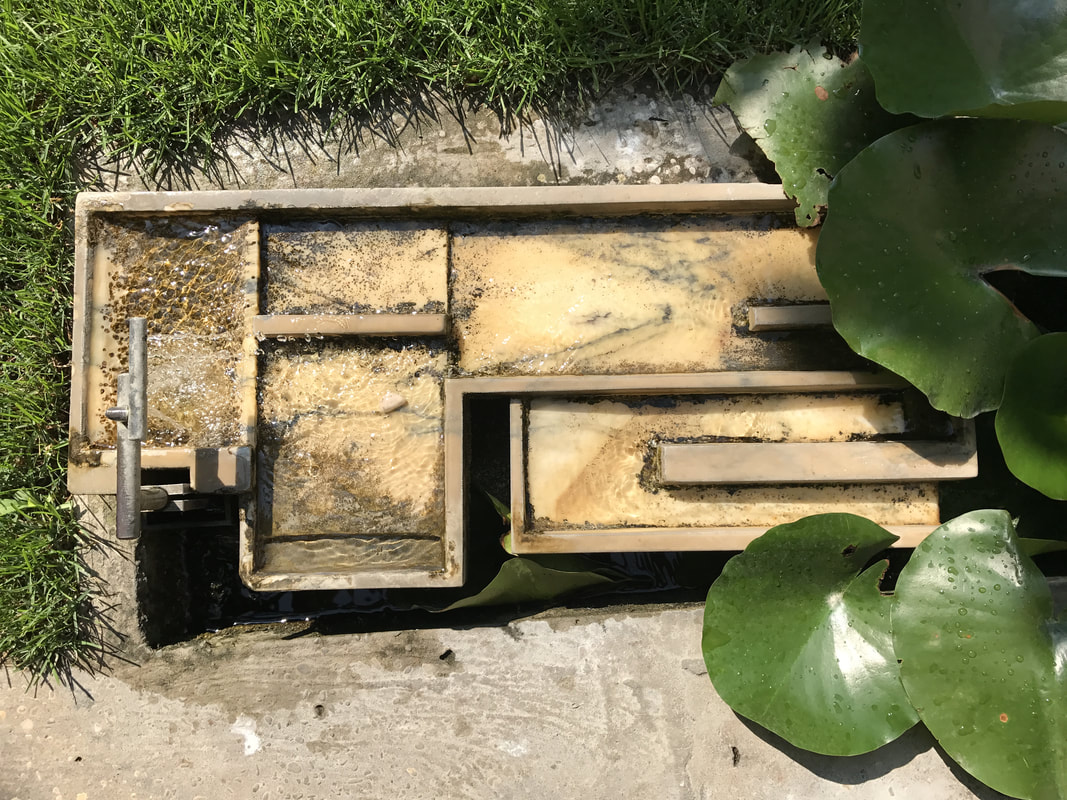
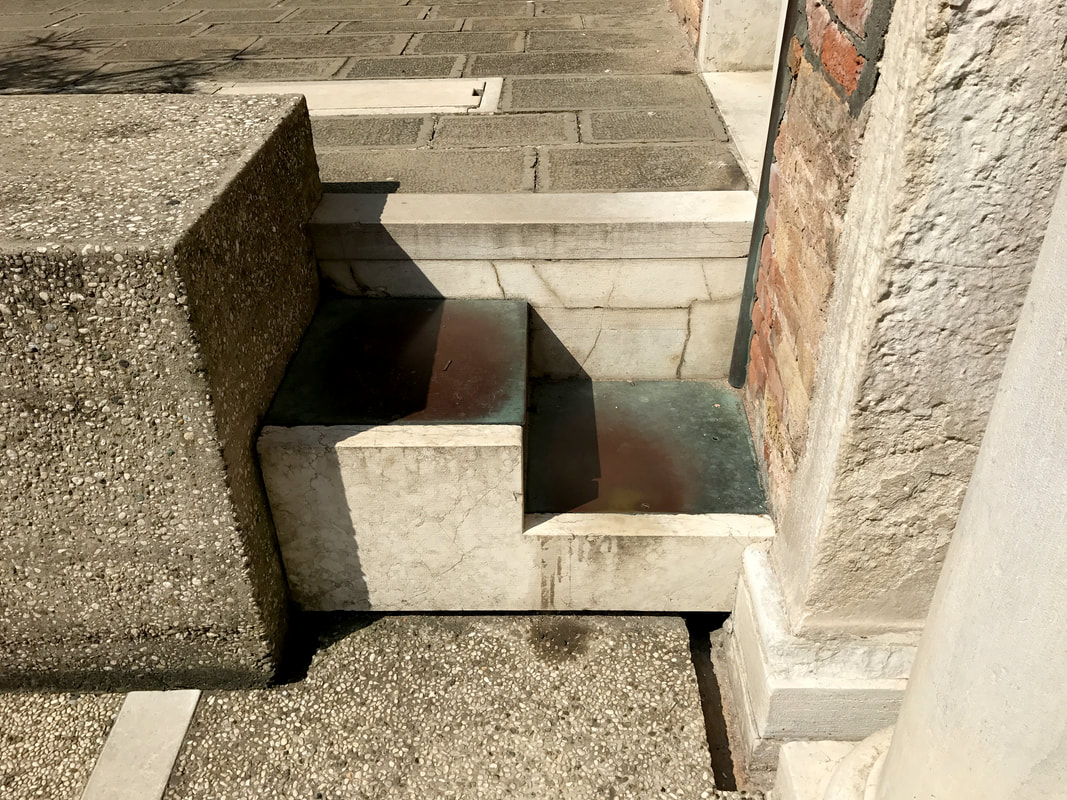
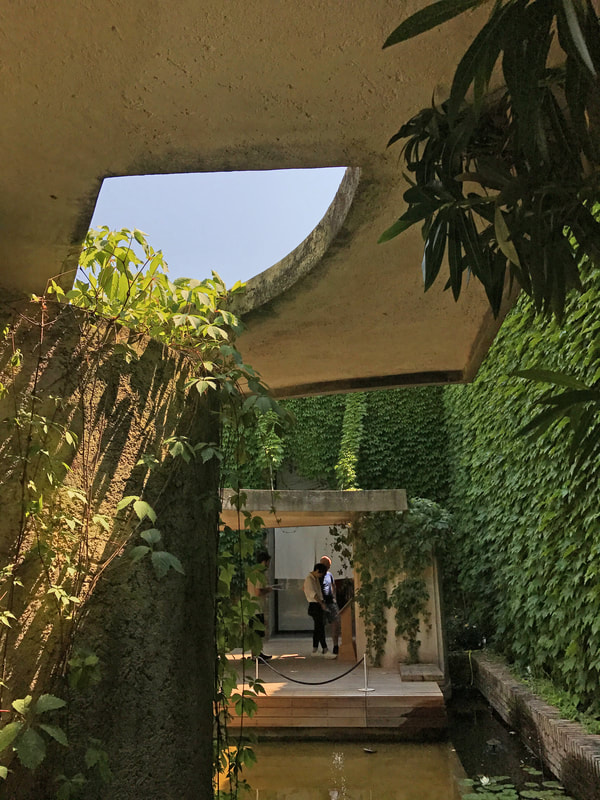
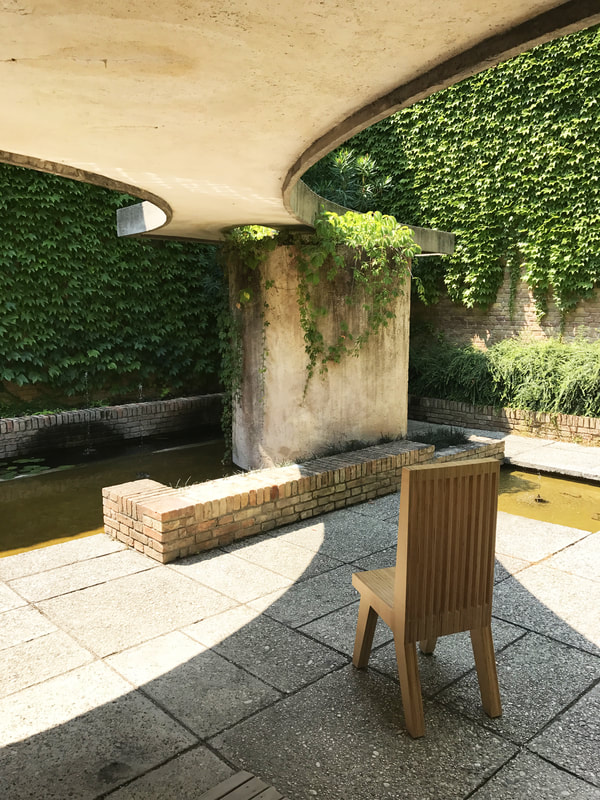
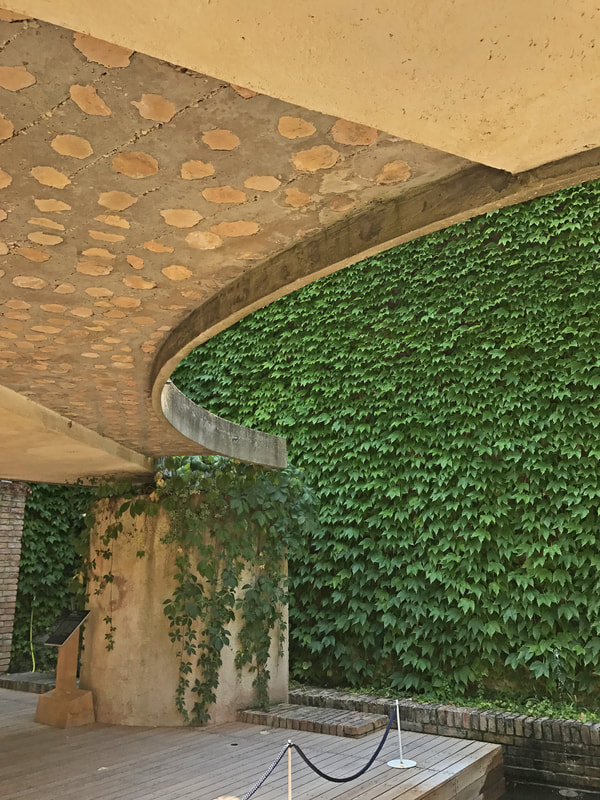
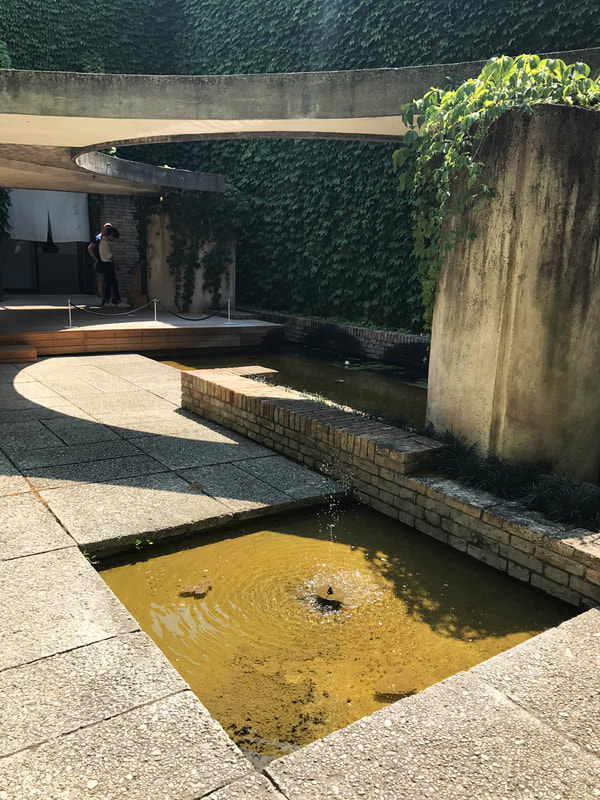
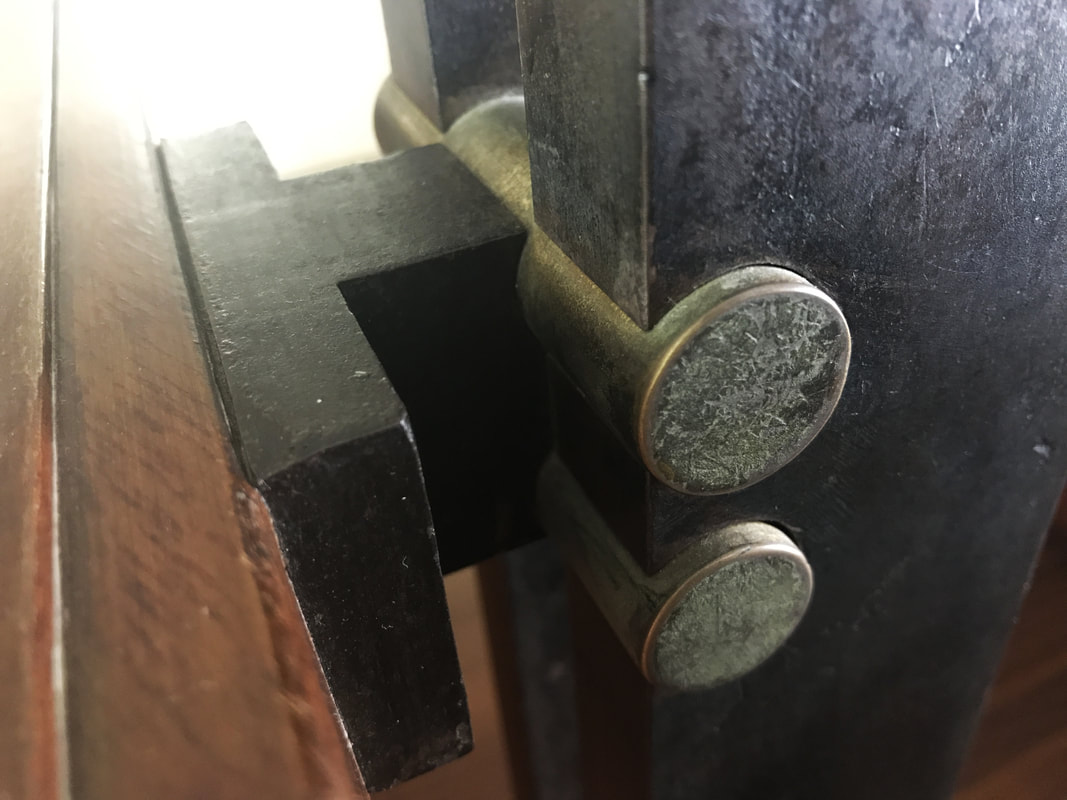
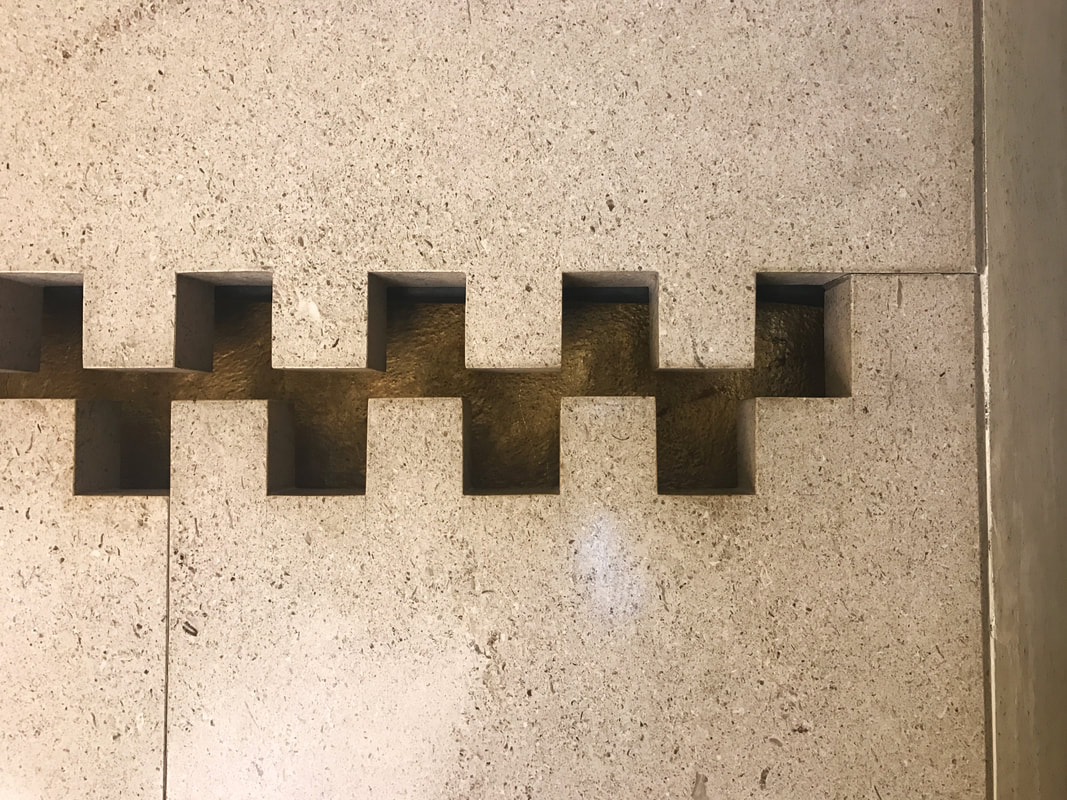
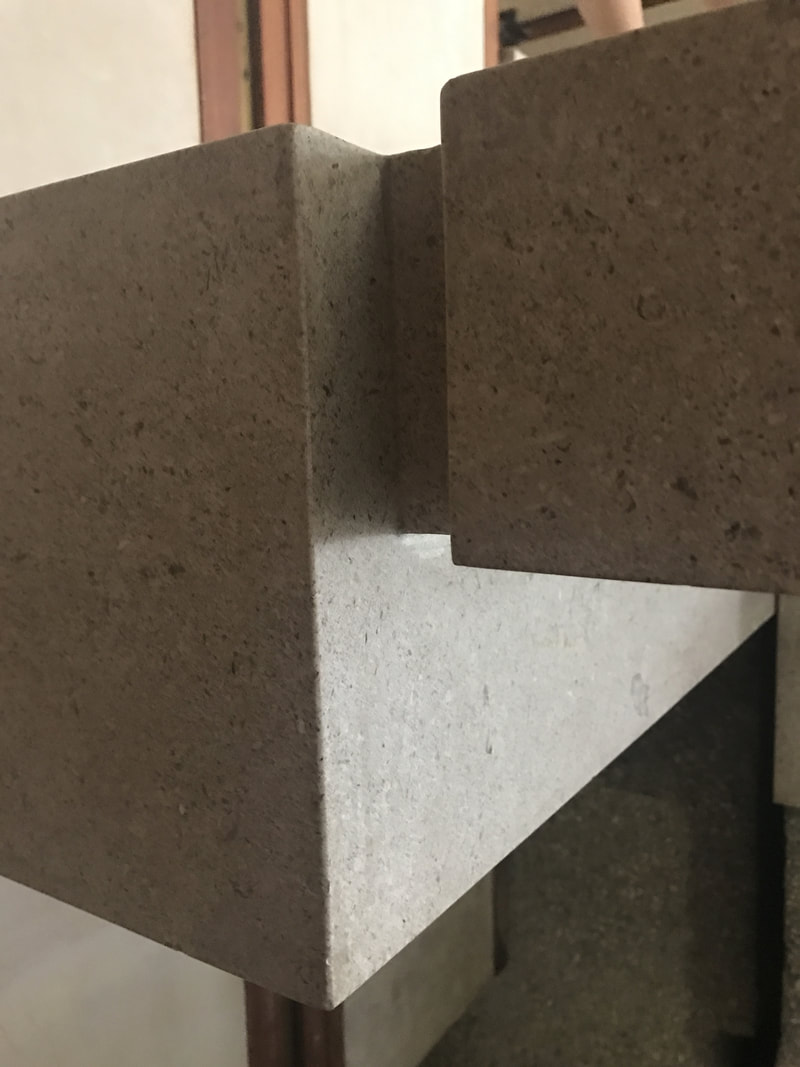
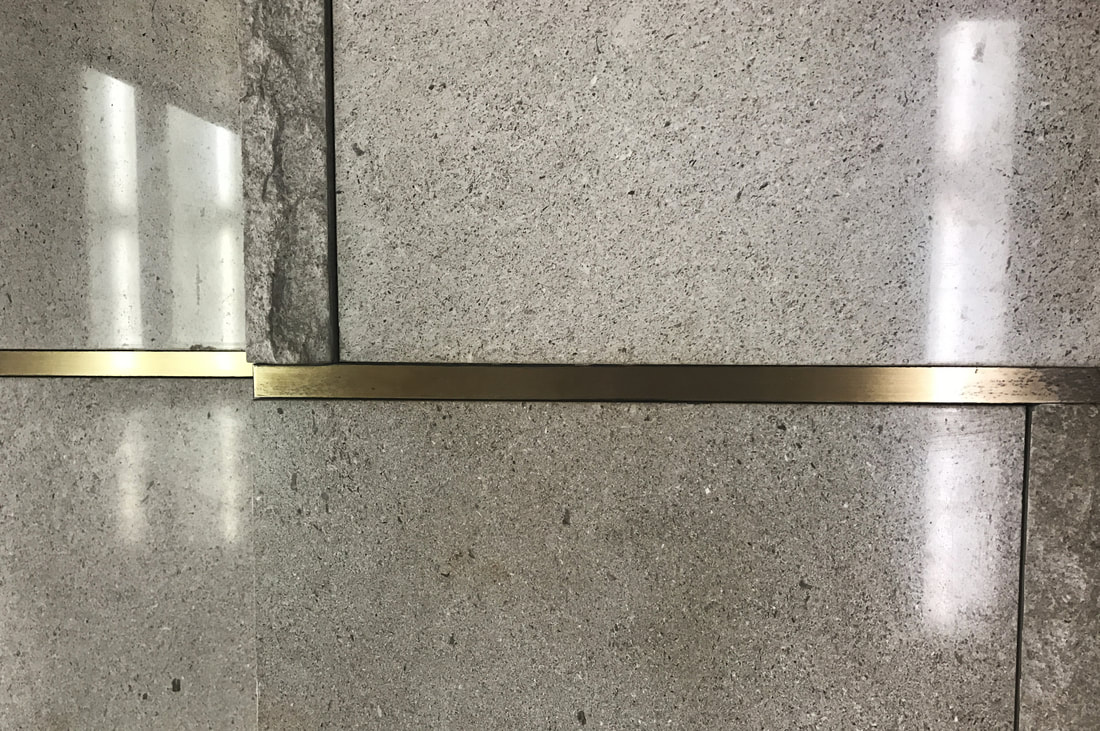
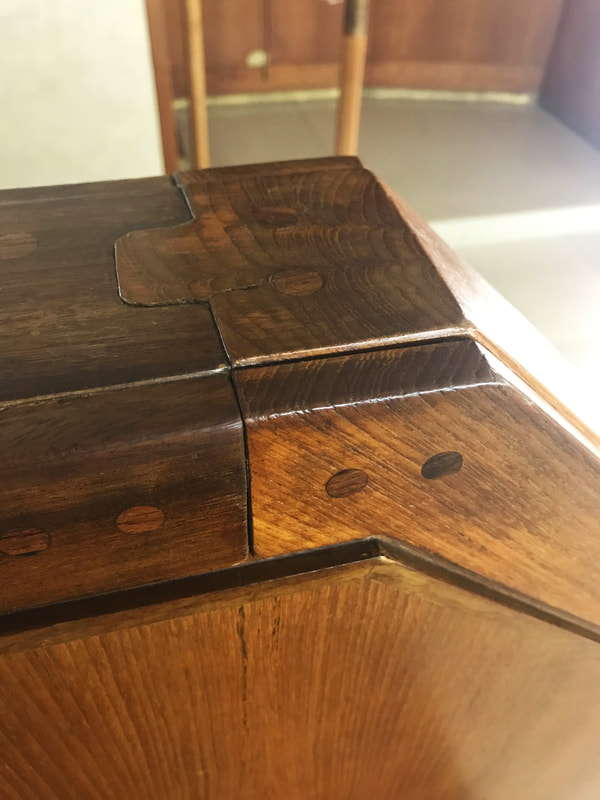
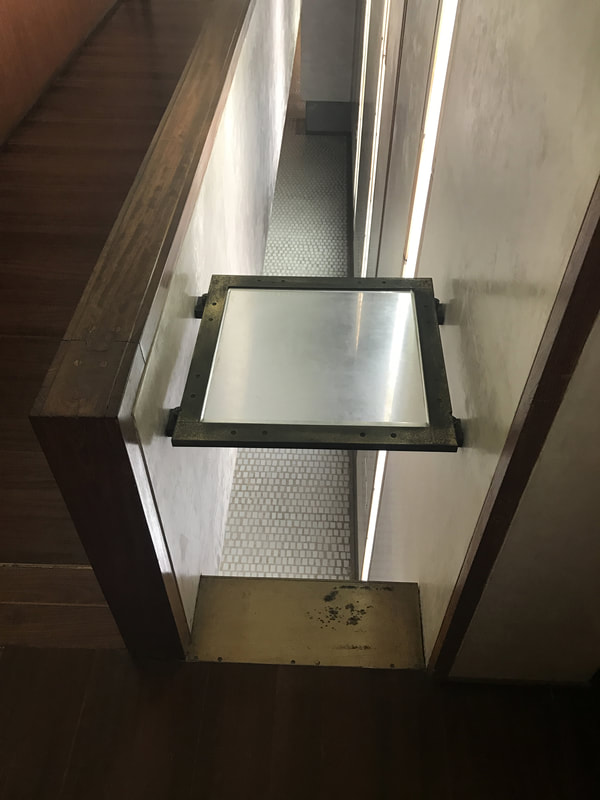
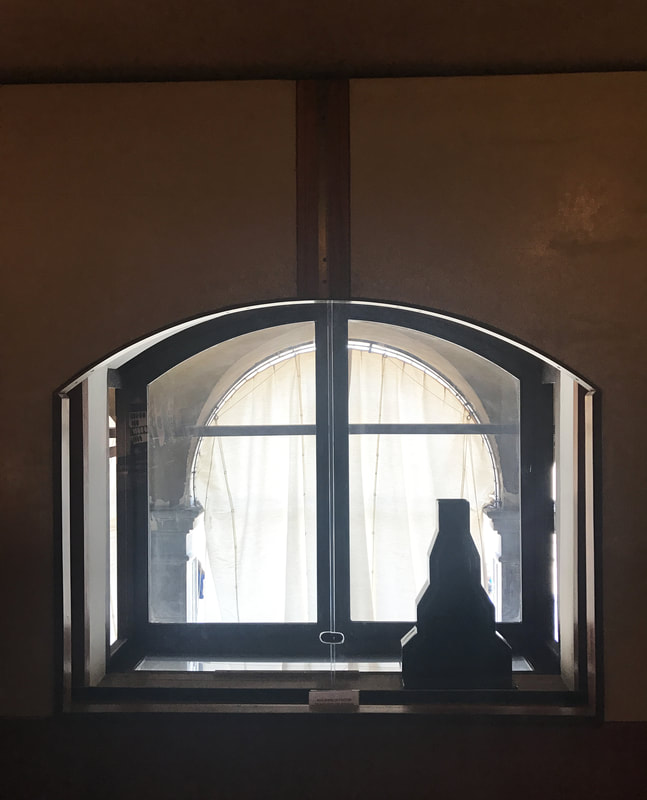
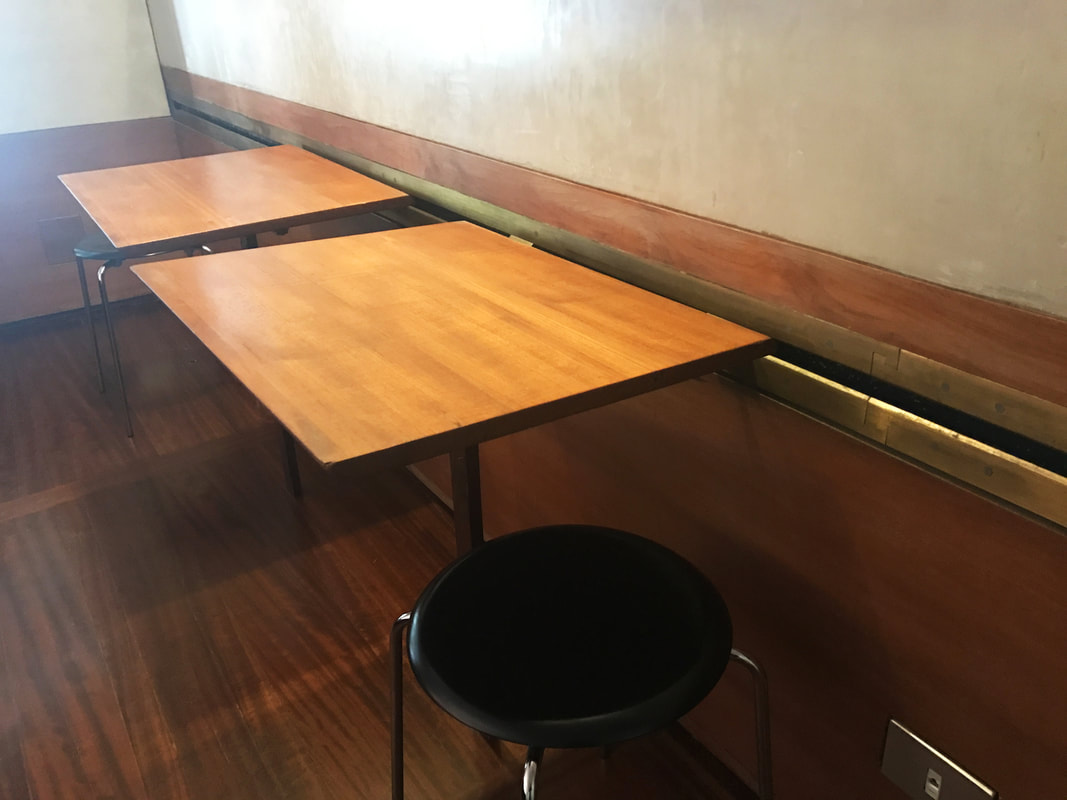
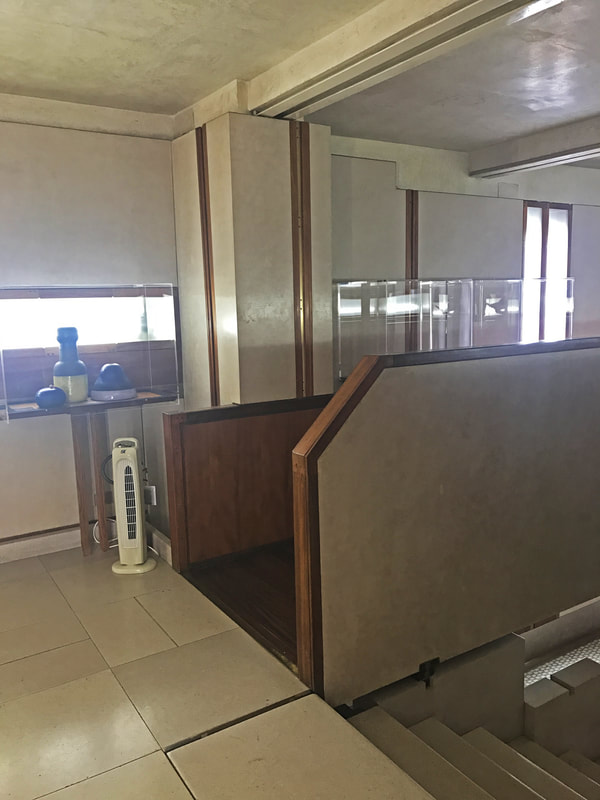
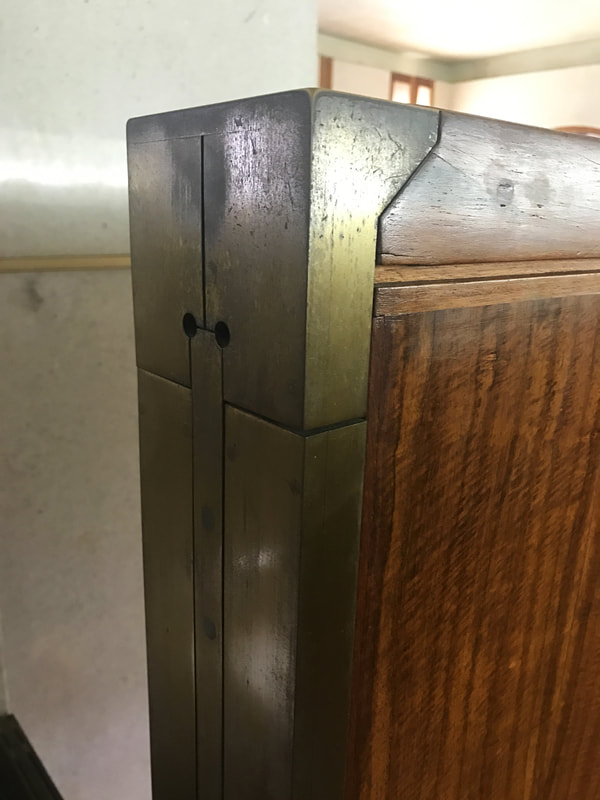
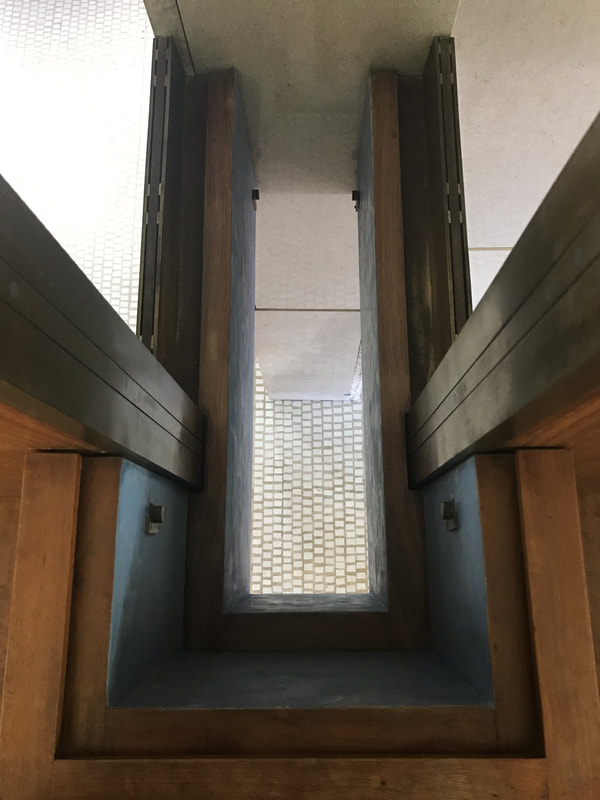
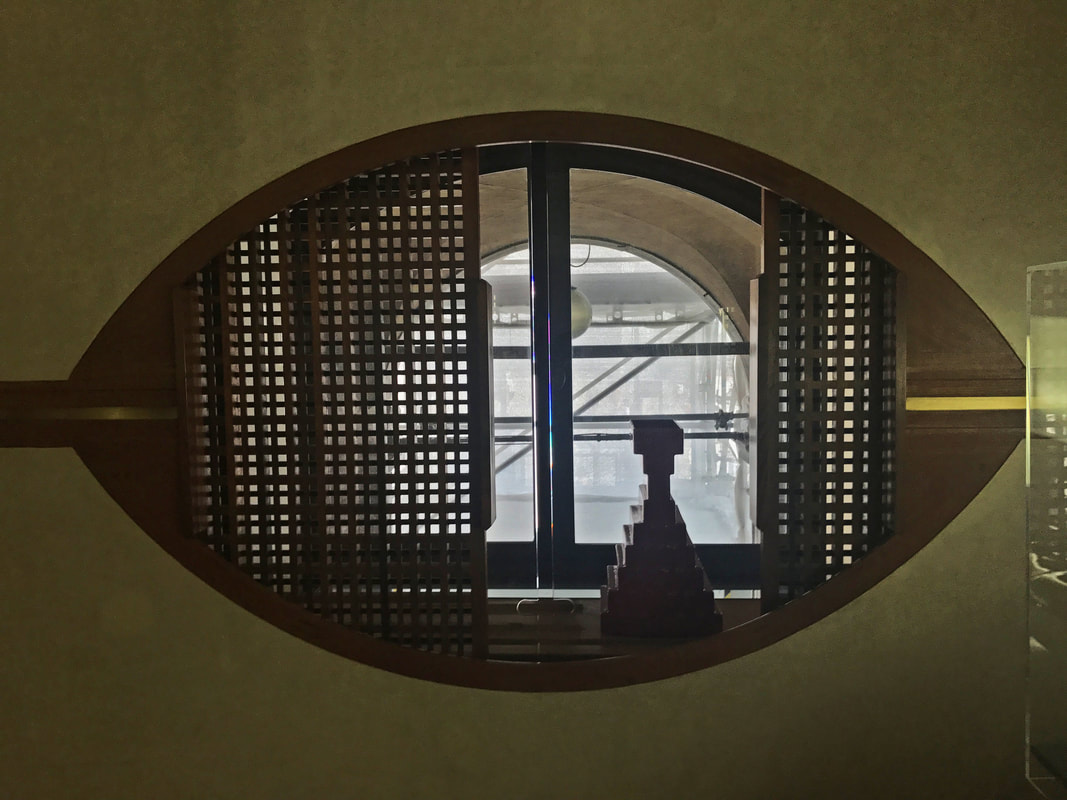
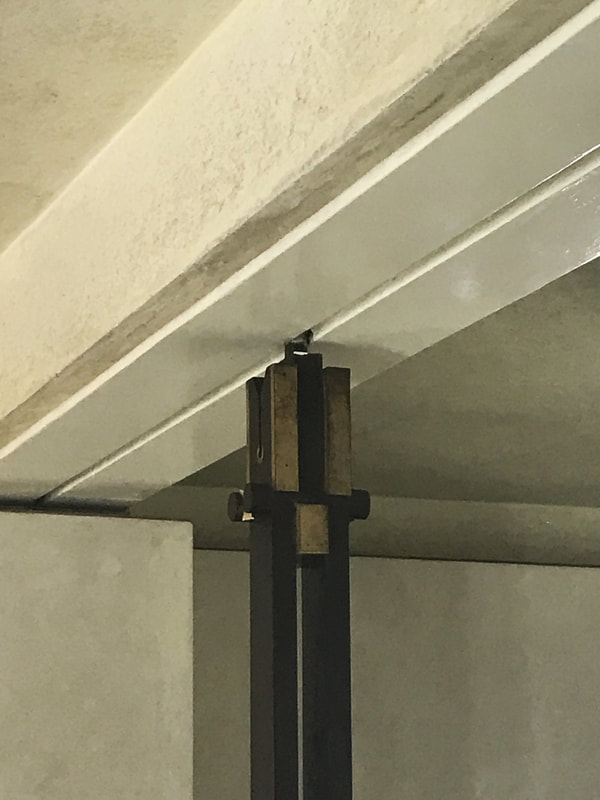
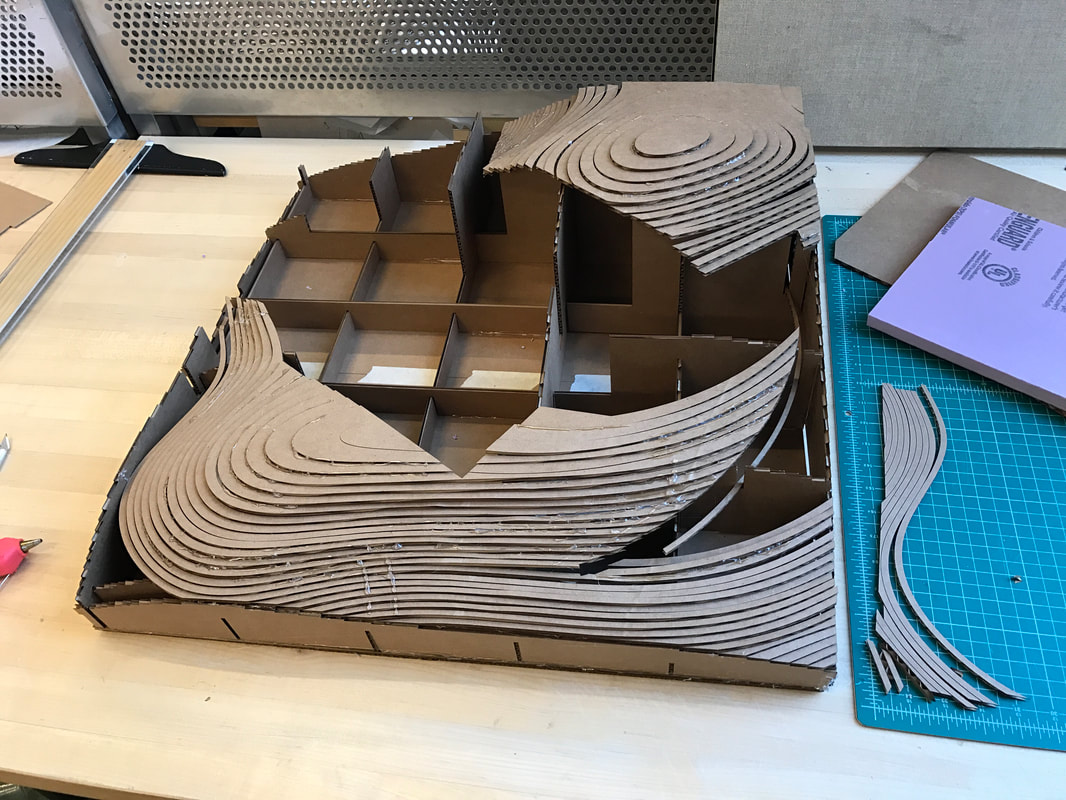
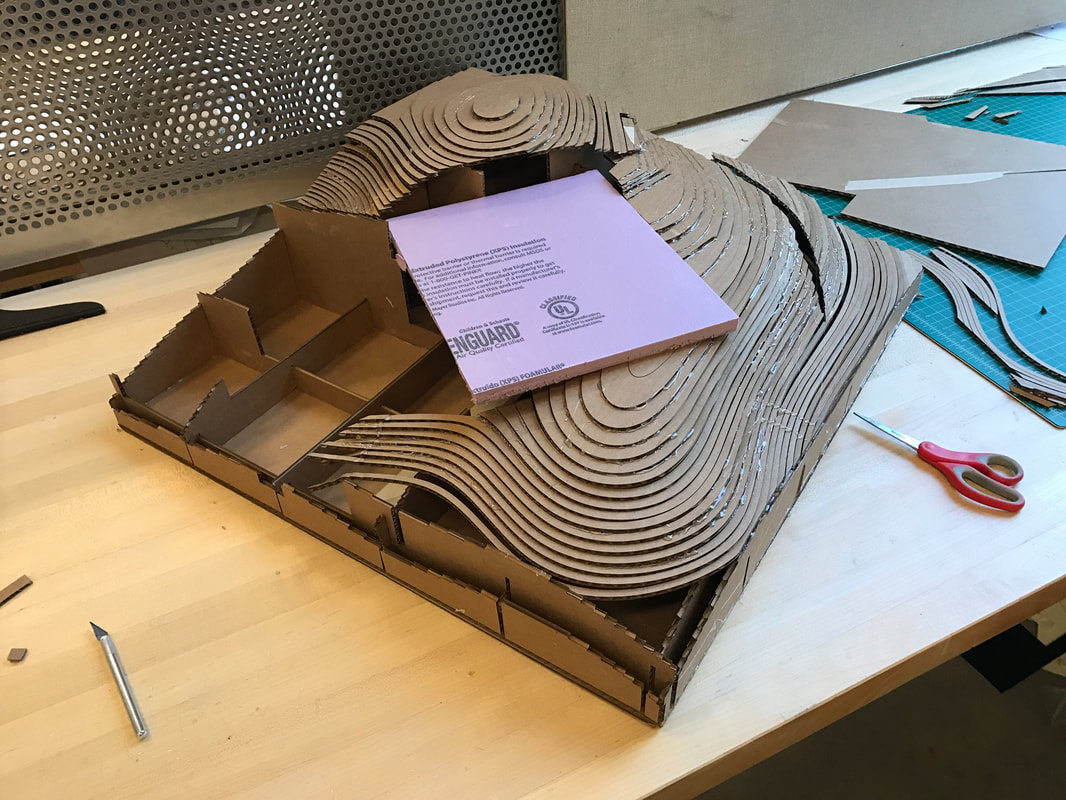
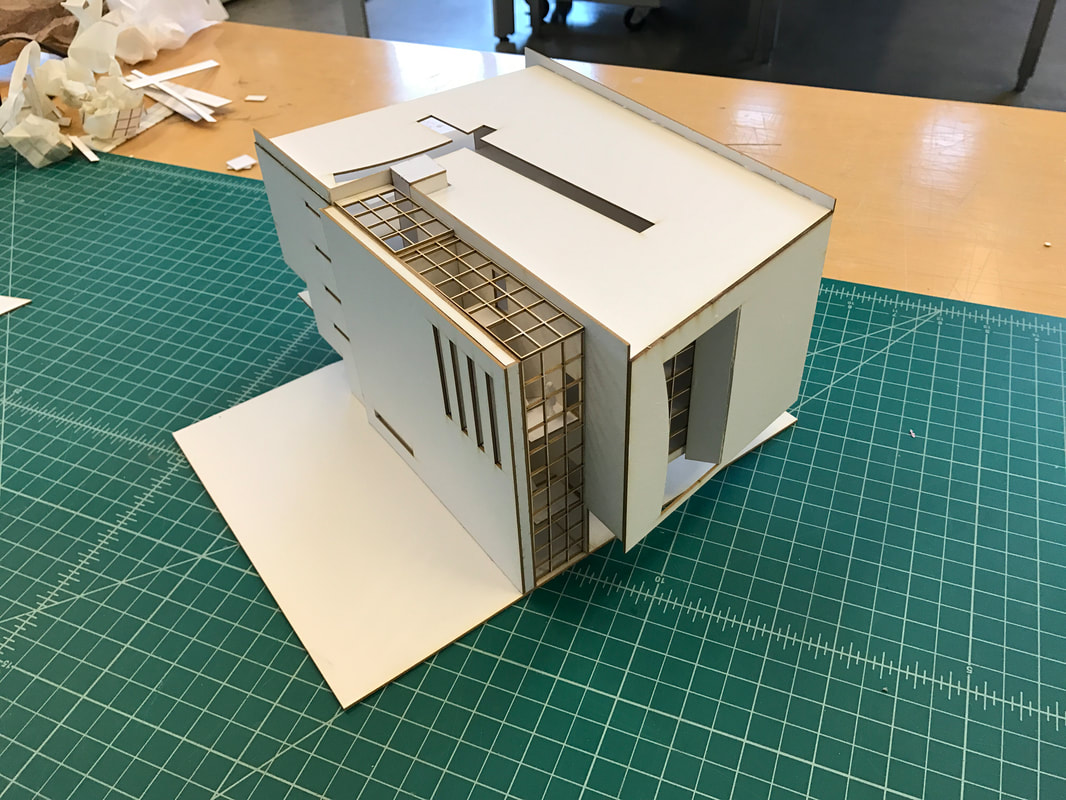
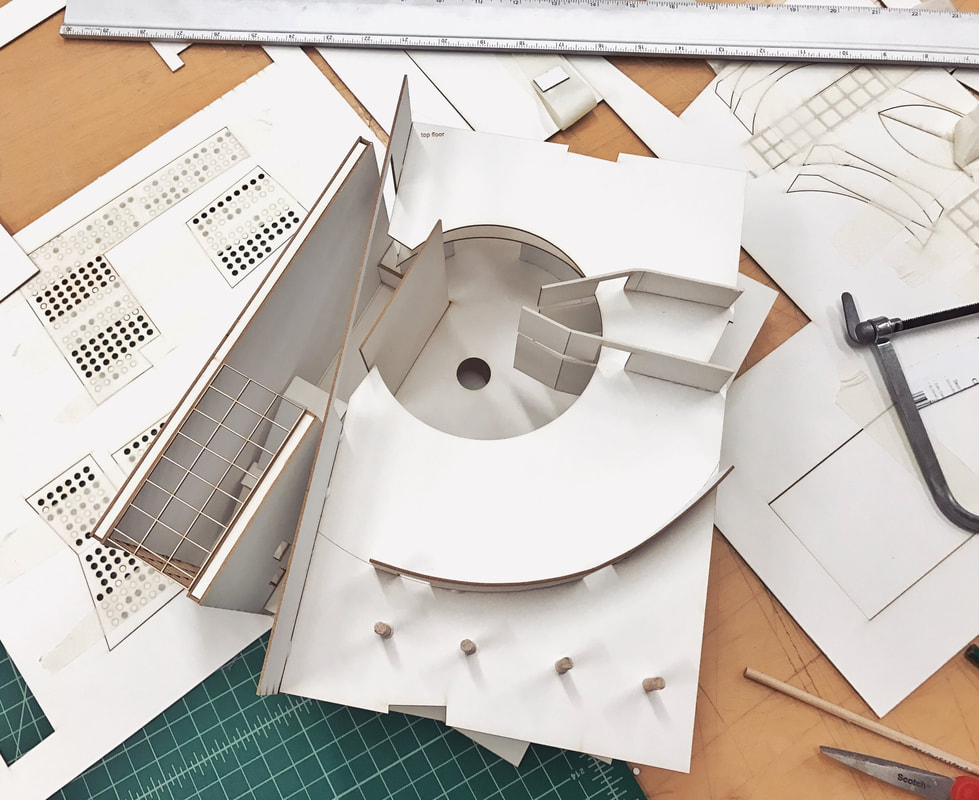
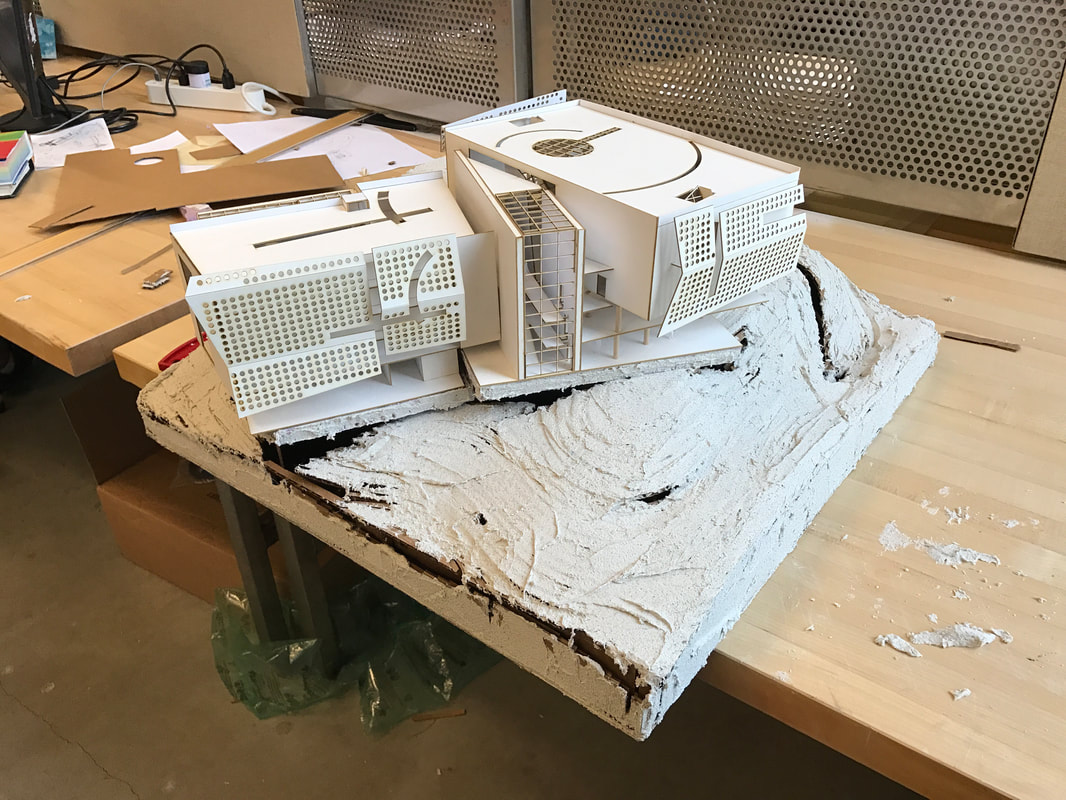
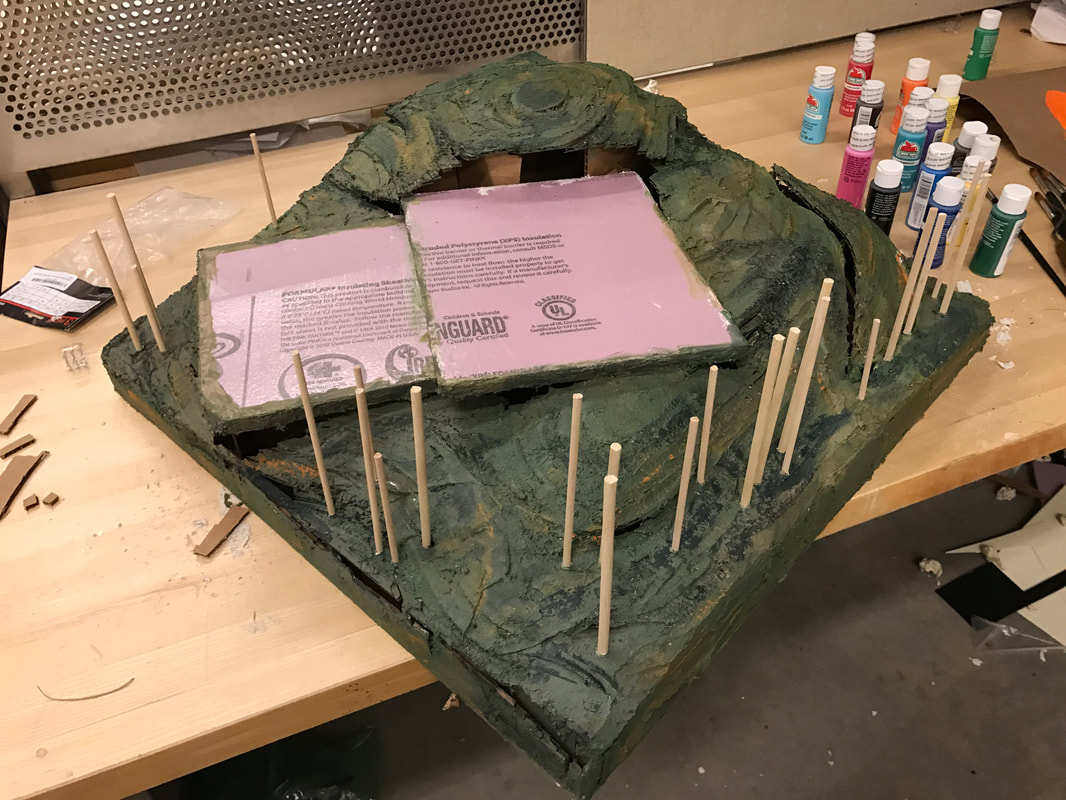
If the architecture is any good, a person who looks and listens will feel its good effects without noticing. I learned about Scarpa last semester through my studio professor since we were doing some installation design that had to do with metal and wood connections. After knowing that Venice houses some of his works, I decided to pay it a visit prior to the Volterra workshop along with the Venice Art Biennale 2017. Funny story: my Airbnb host is a Turkish student who used to live in New York City, but came to Venice to study architecture as well. He also wears a pair of Le Corbusier glasses and he claimed that they help boost his grade. Below is the picture of him and his boat. He picked me up in one of the canals after I checked in and dropped me off at a museum. 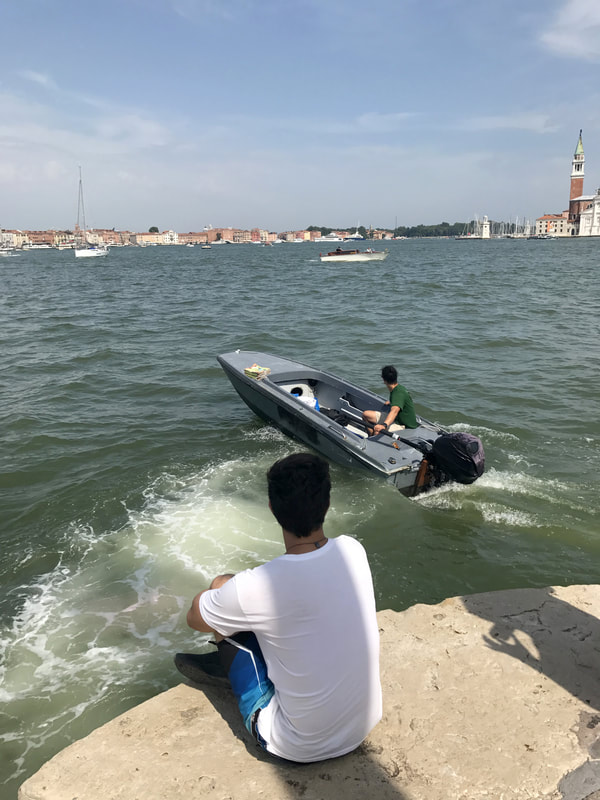 Fondazione Querini Stampalia The first one I visited was the Fondazione Querini Stampalia. Scarpa renovated the whole ground level in 1961 with new exterior, interior, and garden space. His work is best known for the details. He used combinations between wood, glass, steel, marble, and concrete. He had a fabrication shop where he would experiment with other craftsmen and forge his creations. His earlier career in the glass industry also left him with the sensitivity in colors. Scarpa used a lot of colored tiles in his work that ultimately related back to scale and pattern in architecture. 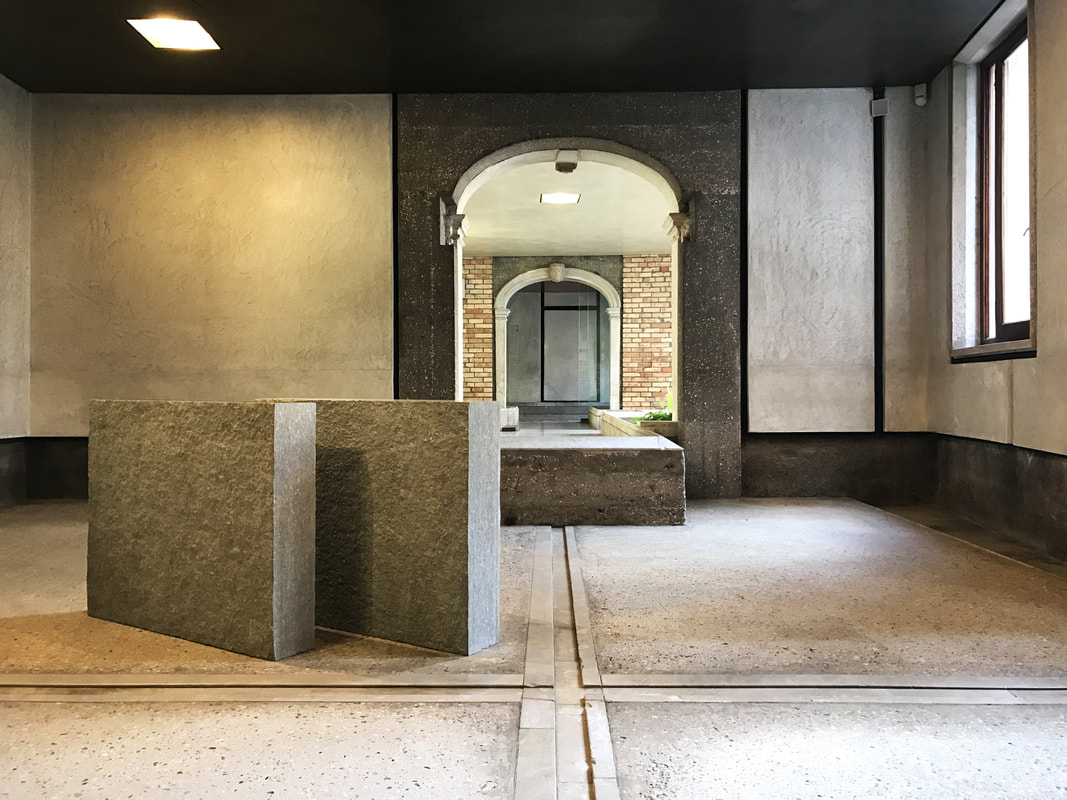 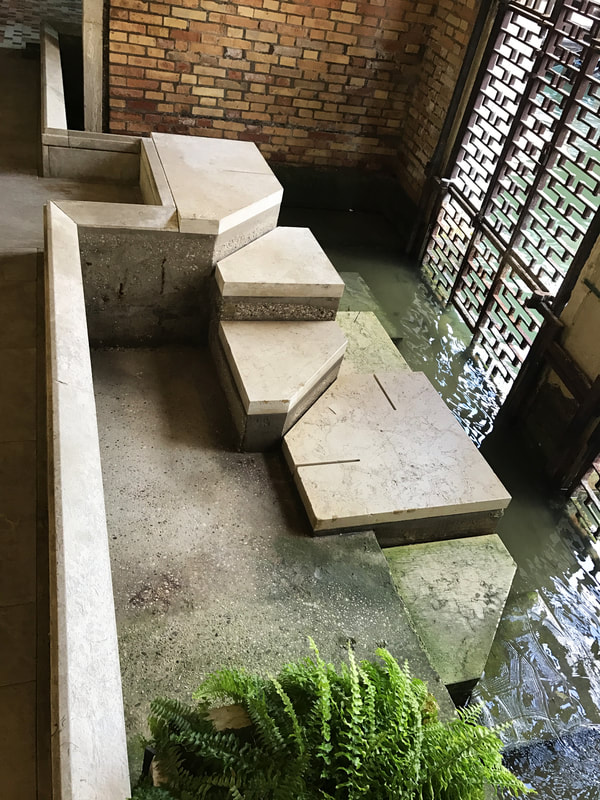 Instead of keeping the water out like most of the buildings in Venice. Carlo invited the water of the canal to flow into the building. The water level was probably way lower when he designed it, but nonetheless it is still very romantic. 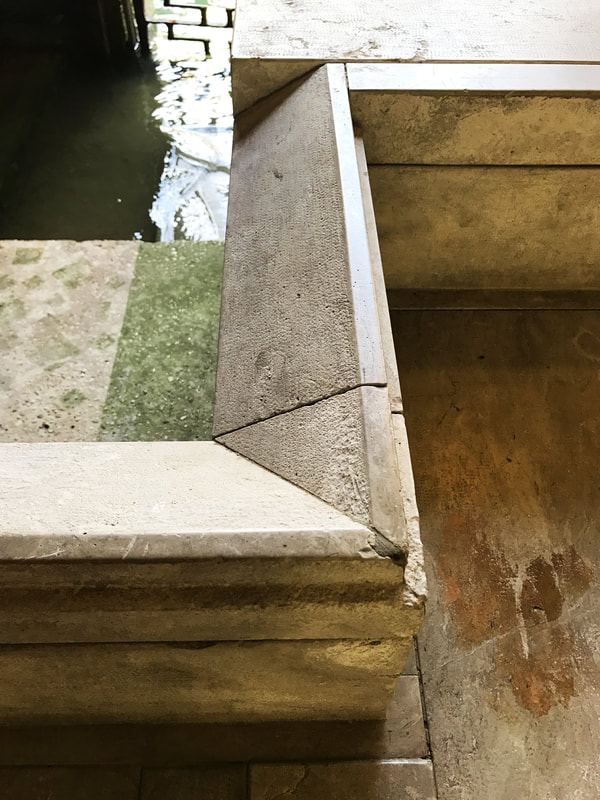 Detail: the beveling effect on the edge 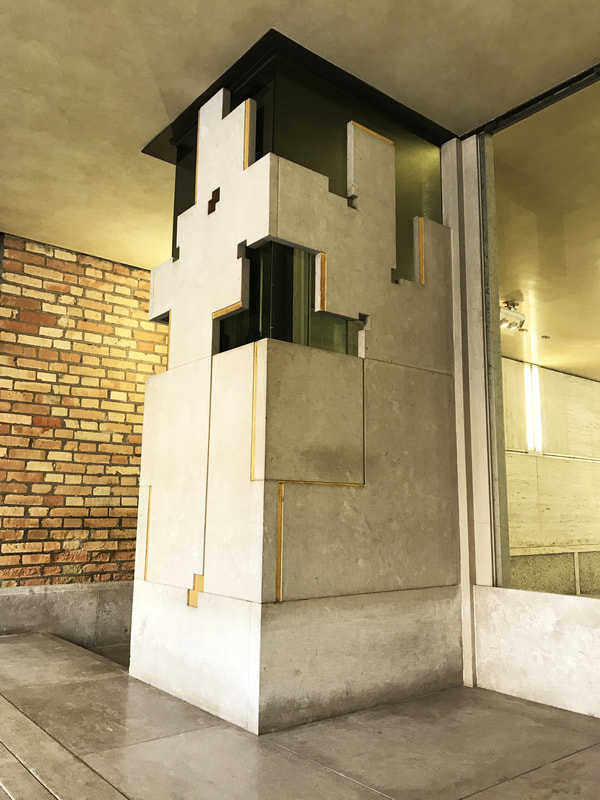 The "eroded" column that links back to the history of the place Scarpa was heavily influenced by Byzantine and Japanese architecture. We can see a lot of historical connections in his work. He was familiar with the historical content and its architectural languages since he grew up in Vicenza and Venice. 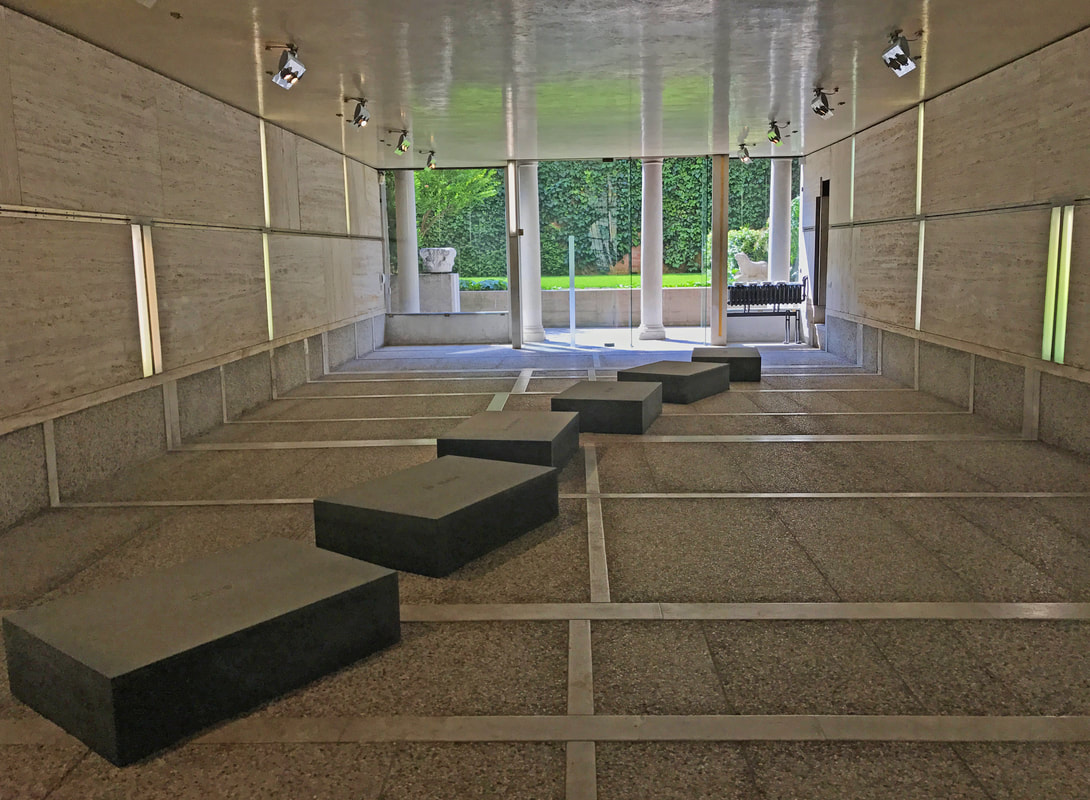 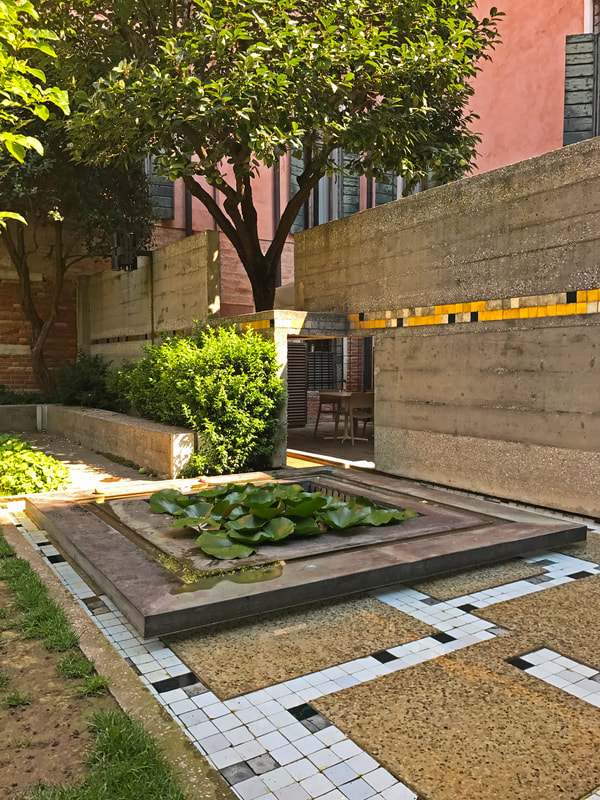 The garden is influenced by Japanese architecture. Notice how he folded the concrete wall to frame the tree and the cafe Scarpa used a lot of water feature in his design. In a sense, it's a representation of Venice with this idea of weightlessness on lagoon and the connection with water and miniature canals. 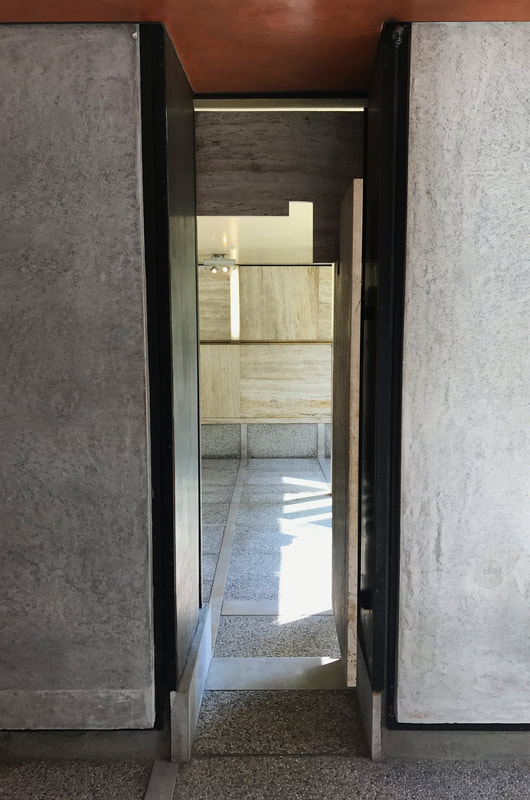 Notice the color of the ceiling changes from room to room. The door is designed so that when it's closed, it has this slit that allows the light to come in and also seduces visitors to open it Sculpture Garden The sculpture garden is a delicate piece hidden within the main pavilion of Giardini della Biennale. Again, the garden is influenced by Japanese architecture with Scarpa's taste of materiality. 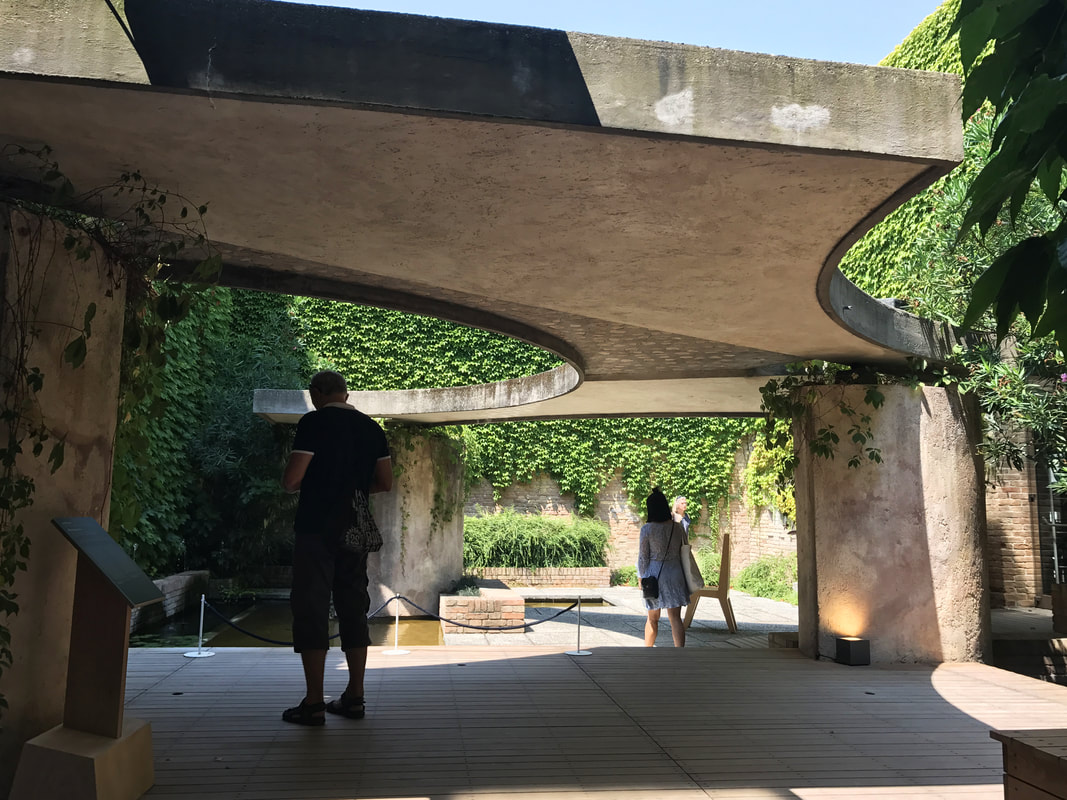 Notice the connection between the columns and the concrete slab. The idea of weightlessness can also be seen here His specialty of materiality: from stone to concrete to bricks. The garden has multiple levels, even the water feature has two different depths. Even though it is a very tight space, he still managed to use the main pillars to organize it into difference zones and frame views. 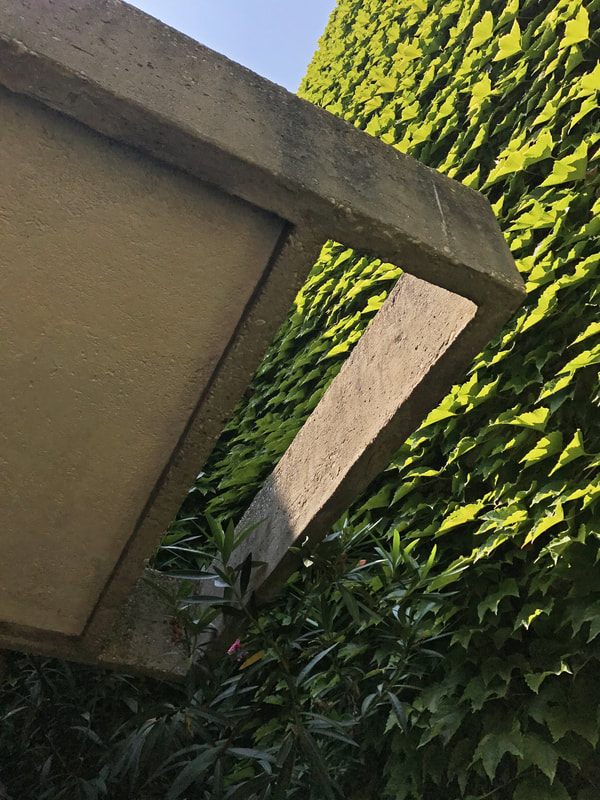 Biennale Ticket Booth The original ticket booth for the Biennale is also designed by Scarpa. Unfortunately, the booth cannot accommodate the amount of visitors these days so its not in use anymore. I really like the mix of wood and steel column, it has a certain synergy on the texture. 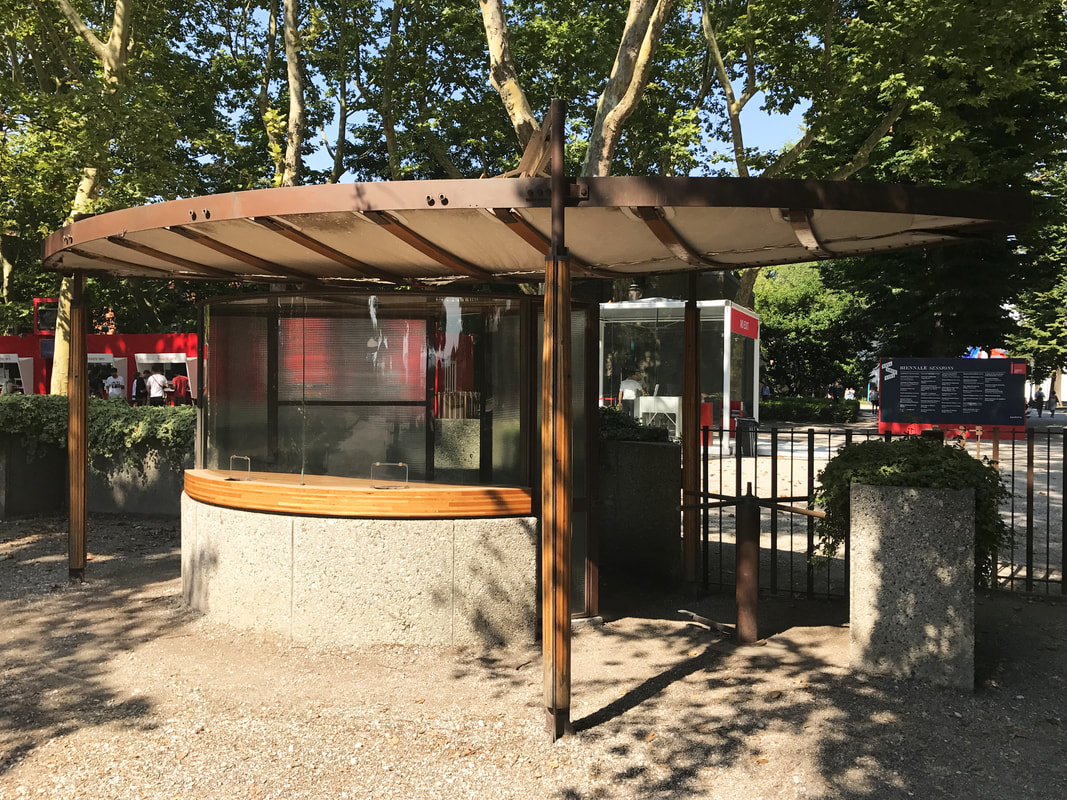 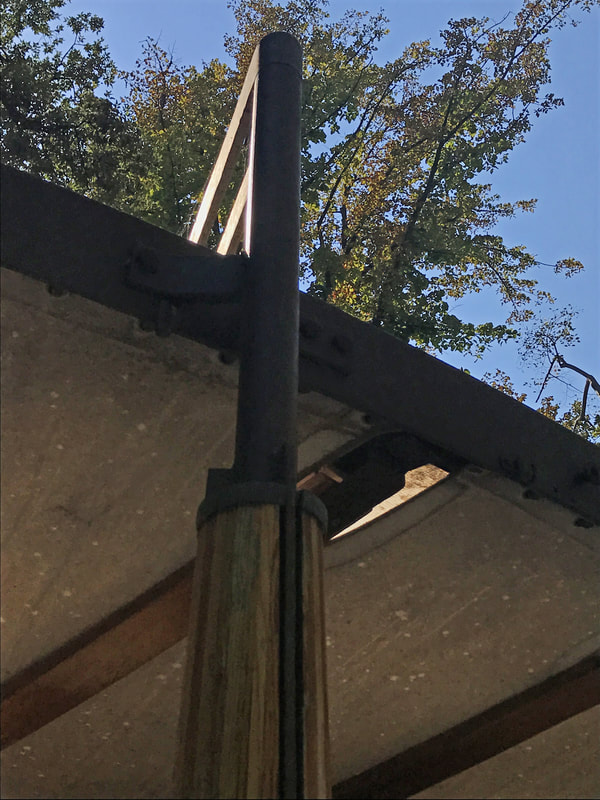 Pavilion of Venezuela Aside from the original ticket booth of the Biennale, Scarpa also designed the pavilion of Venezuela. Here we see the use of doubled steel columns and larger glass panels. 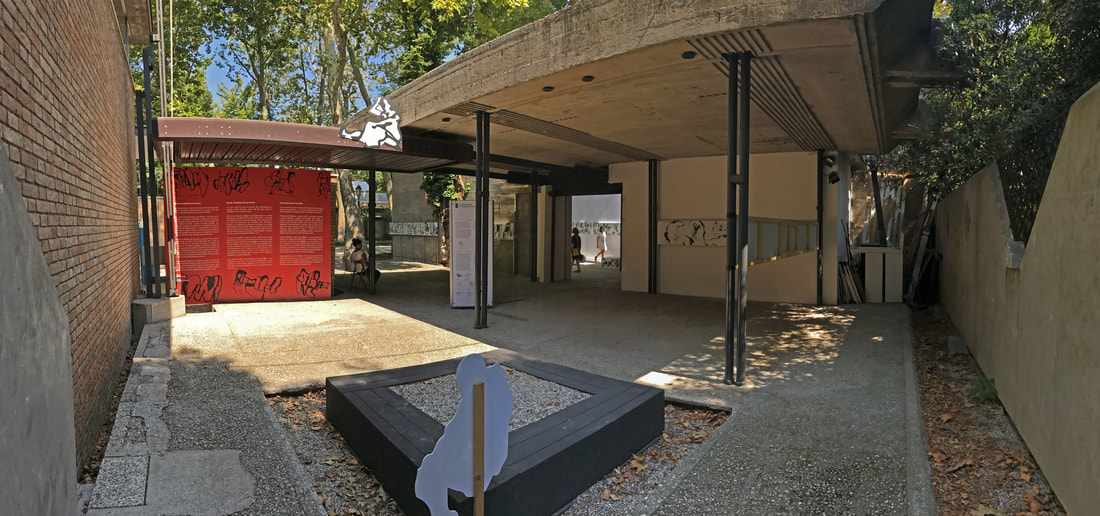 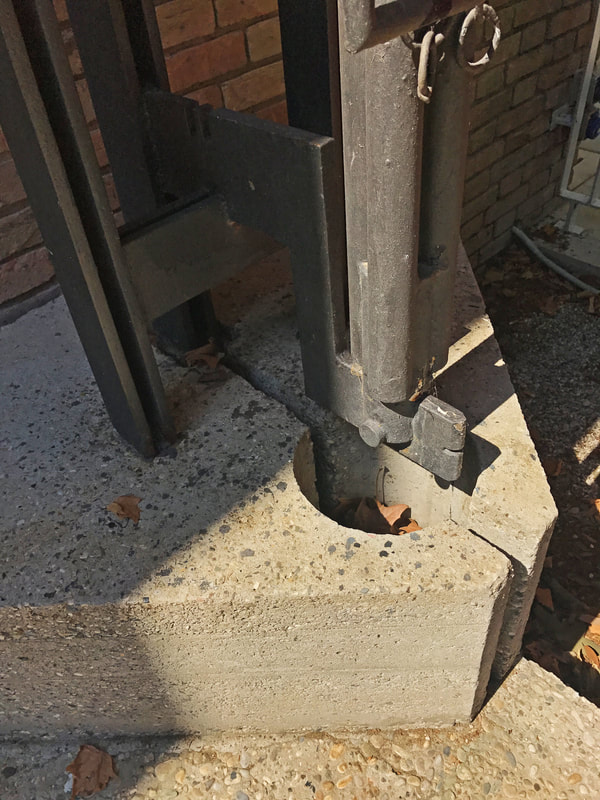 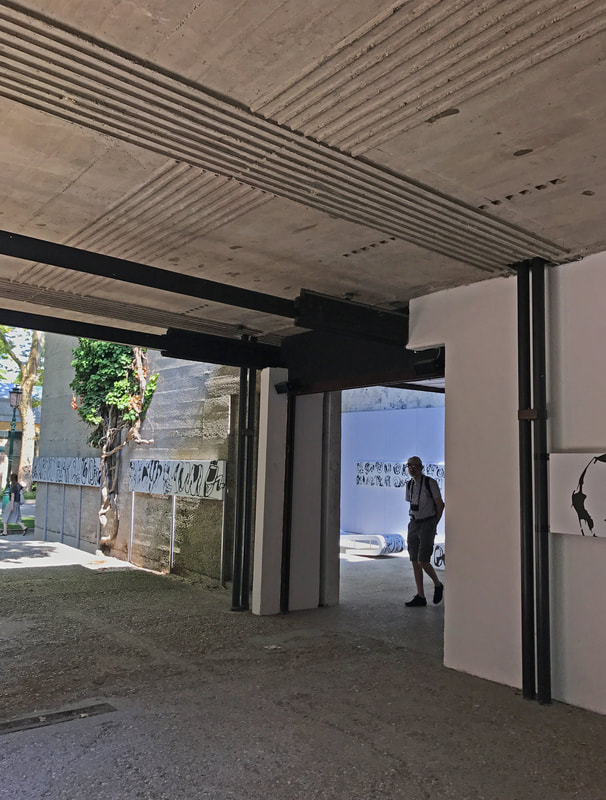 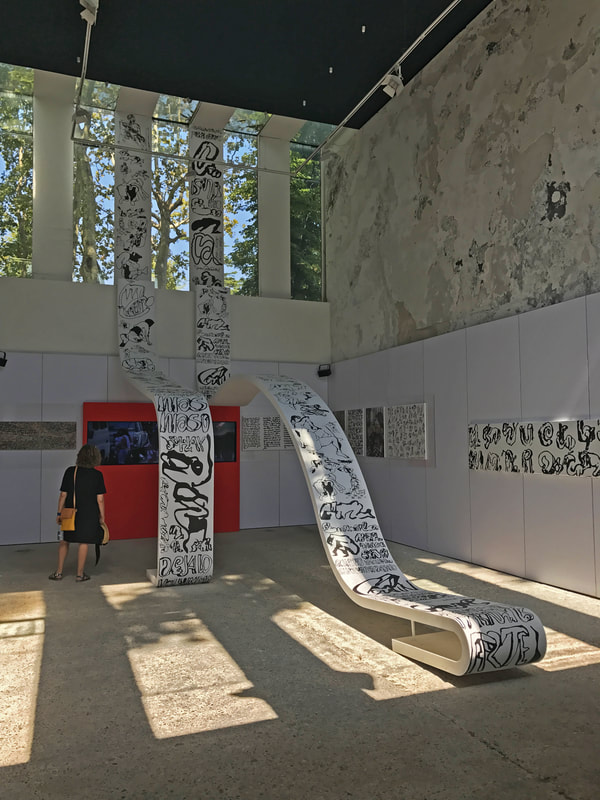 Negozio Olivetti And finally, the last Scarpa's building I visited in Venice was the Olivetti Showroom! The store was to design as a "business card" of the Olivetti company, not as an actual store. Scarpa transformed the dark alley into the magical showroom with the freedom and funding from the client. Aside from Byzantine and Japanese architecture, Scarpa also drew inspiration from Venice Biennale. He was inspired by Rothko at that time with the colors he used. Mondrian's work was also one of Scarpa's inspiration at one point. 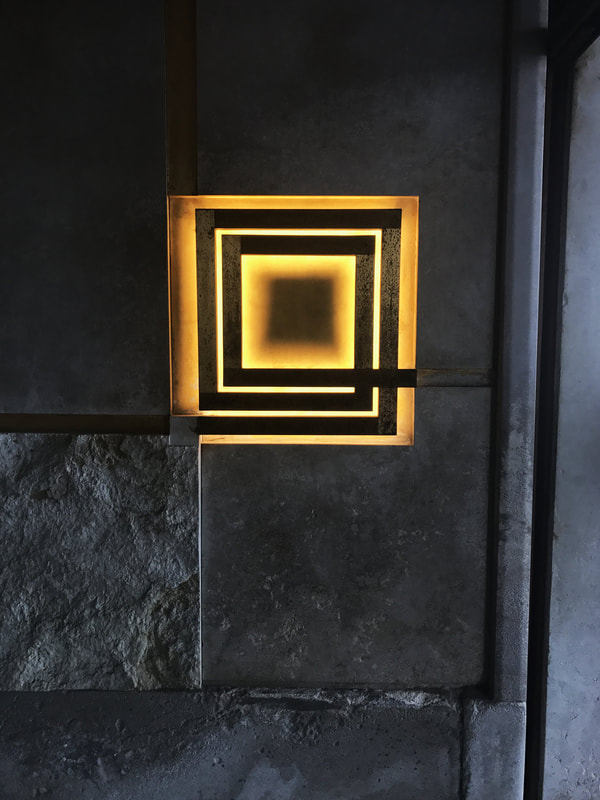 The logo of the Olivetti showroom Click image to zoom! Too many detail pictures! 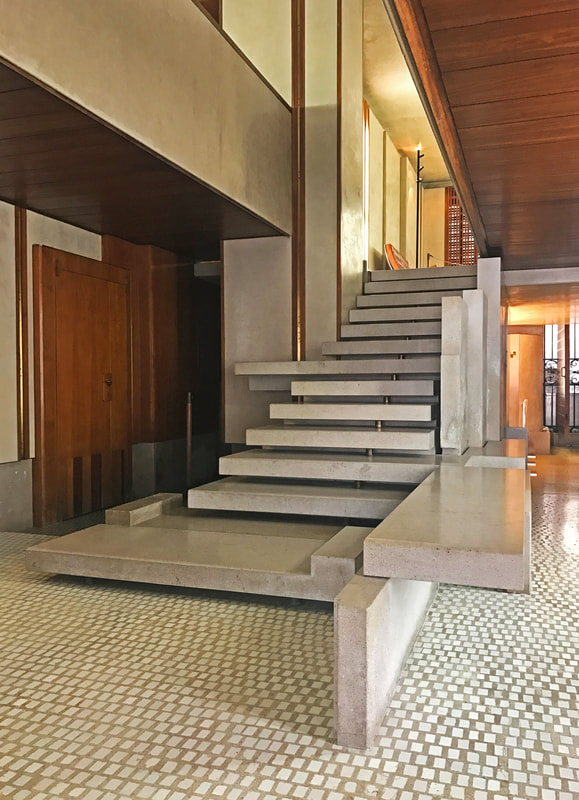 The iconic marble stairs of the showroom! Scarpa stacked marble slabs on concrete and between each slab there's a delicate bronze support. The stairs is designed with rhythm in mind and the piece has unique looks from different angles around the showroom 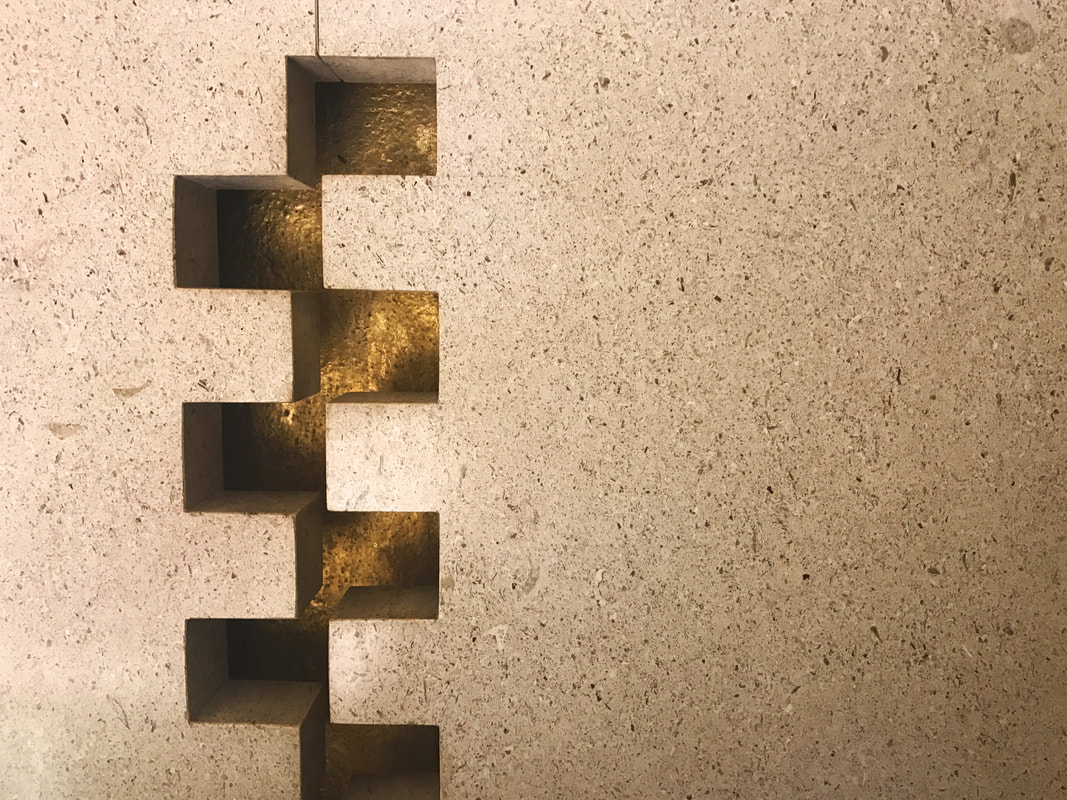 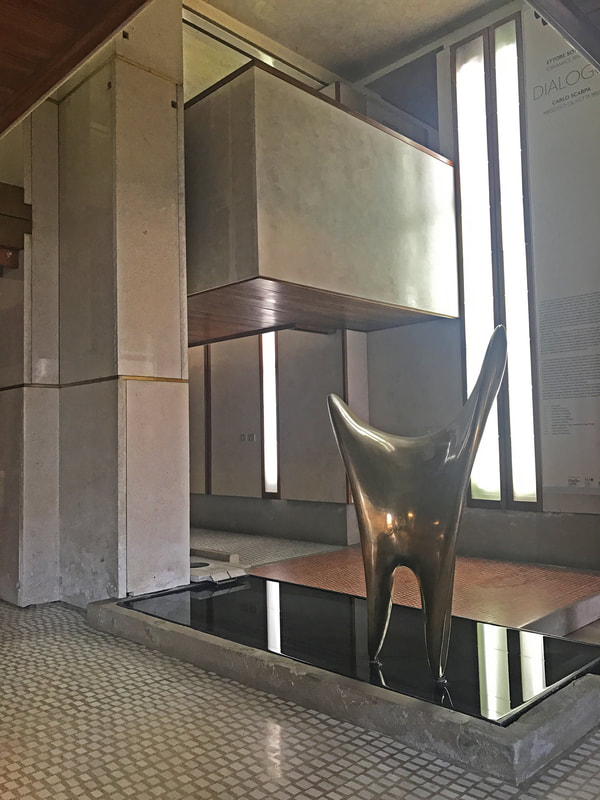 The entrance of the Olivetti showroom. Notice the change in tiles from red to white, and the iconic water feature that referencing Venice My reflection It's a pretty long blog, thank you for reading til the end! It's absolutely amazing to see how one can approach and design architecture from different backgrounds. Architecture simply has no single solution and method. We see how the early glass-making career influenced Scarpa in terms of experimentation with materiality and the use of colors. For me, his architecture reflects upon arts and history, whether as some architects, like Le Corbusier, was partly inspired by machines or other objects. Another thought was about the idea of materiality, I've been thinking about it since grad school, I noticed that a lot of the projects done by students (any school) don't really care about the materials. Most of the time it's rendered as a sculptural piece or merely just exploration of architectonics. People might argue there's not enough time for the studio to develop materials and such, but I don't think that's true. Usually in a design studio, the facades and materials are applied til last, therefore we always see some projects that's just all white or with awkward window openings. I started to force myself to design with materiality starting from day one, to further complete my creation of the space, and so far I think it helps you design better. That's why I think this trip is so helpful because it sort of re-affirms my believes and makes me want to design with materials and details even more, bringing the architectural design back to human scale even more. Thanks for reading, next blog post will be covering some good stuff from the Venice Art Biennale 2017, you don't want to miss that one either! Lakota Heritage Institute Summer studio 2017 Location: Allen Dam, South Dakota Project type: Museum & Educational Institute Project statement: Most heritage centers only display the past and showcase the culture, but rarely address the contemporary issues of the community. This heritage center will have a more active role in helping the reservation and Lakota Sioux population. The heritage center is composed of two major programs: a museum wing and a pre-collegiate educational institute. The project is designed under the guidance of the Lakotan architecture design principles. The form of the museum is a juxtaposition of rectangular boxes and spheres. The spheres are expanding outward and exploding out of the restriction of the frames. It is a metaphor for the power and tenacity of the Sioux nation and it also symbolizes the constant struggle they’ve been encountering. The institute will house younger generation and help them combat alcohol & drug addiction, sexual abuse, and suicide, and give them educational opportunity and health care. In addition, they will be able to receive career trainings and have the opportunity to work at the museum in order to gain income and experience. Part of the heritage center’s missions is to help the reservation to move forward by considering the future of the tribe. With both the museum and the educational institute, the architecture aims to reconstruct the community and re-channel the power of the nation by giving younger generation in the reservation a sense of purpose. 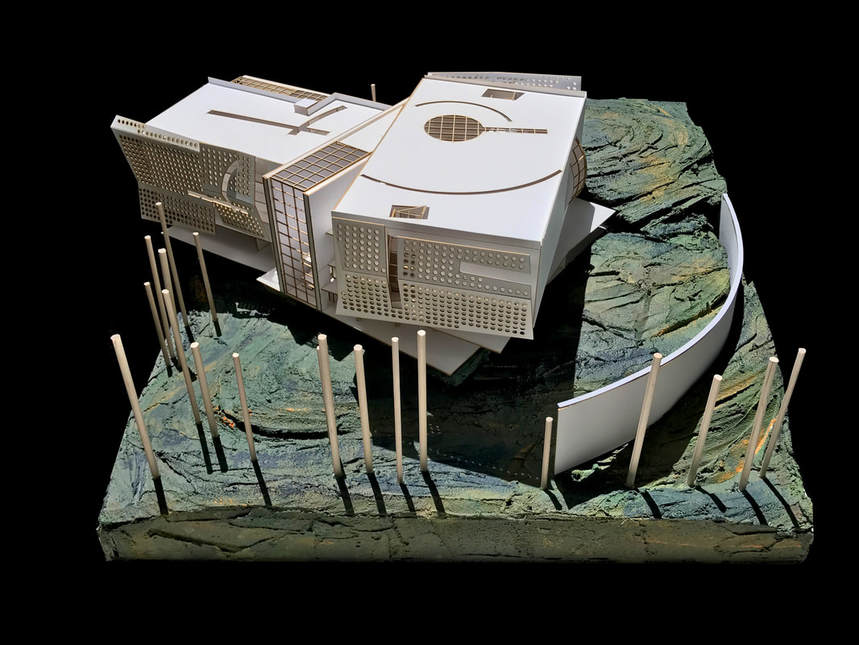 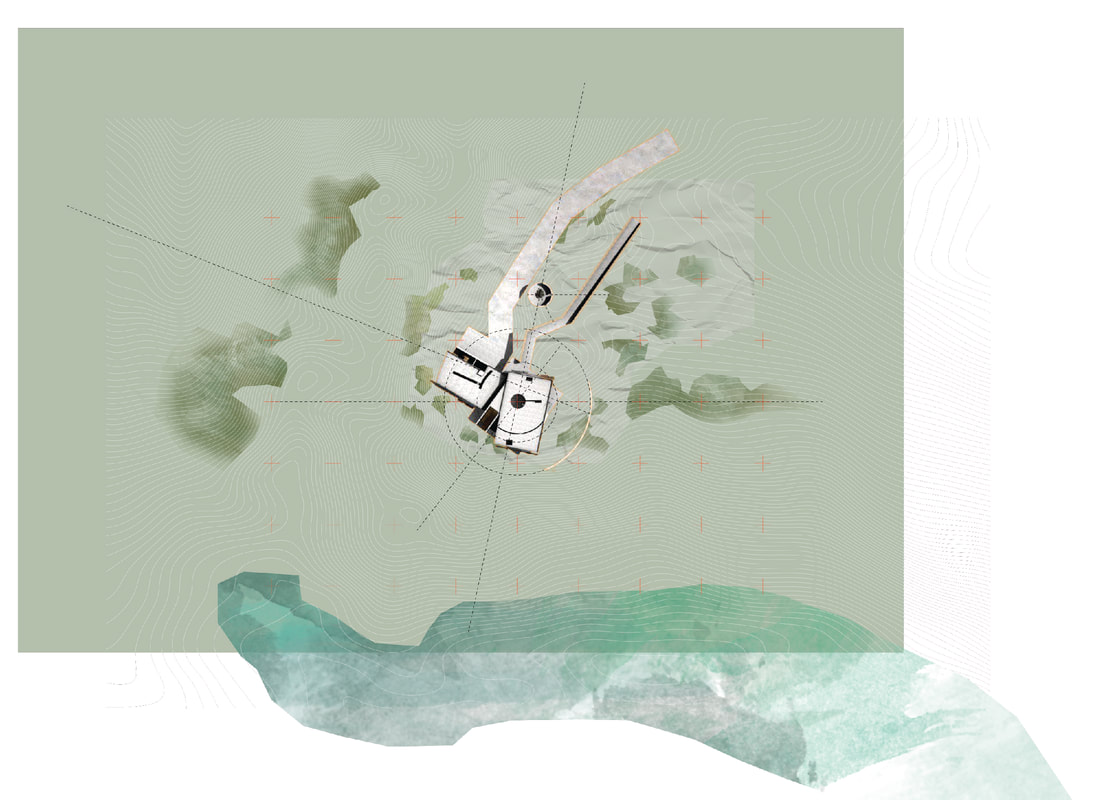 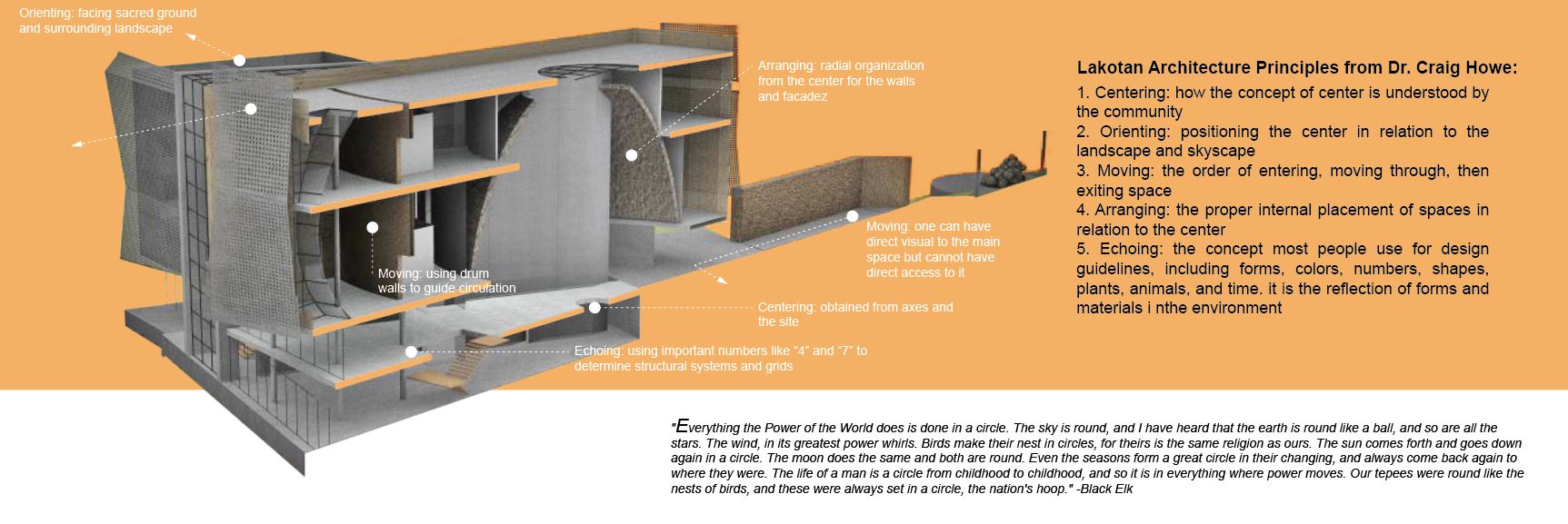 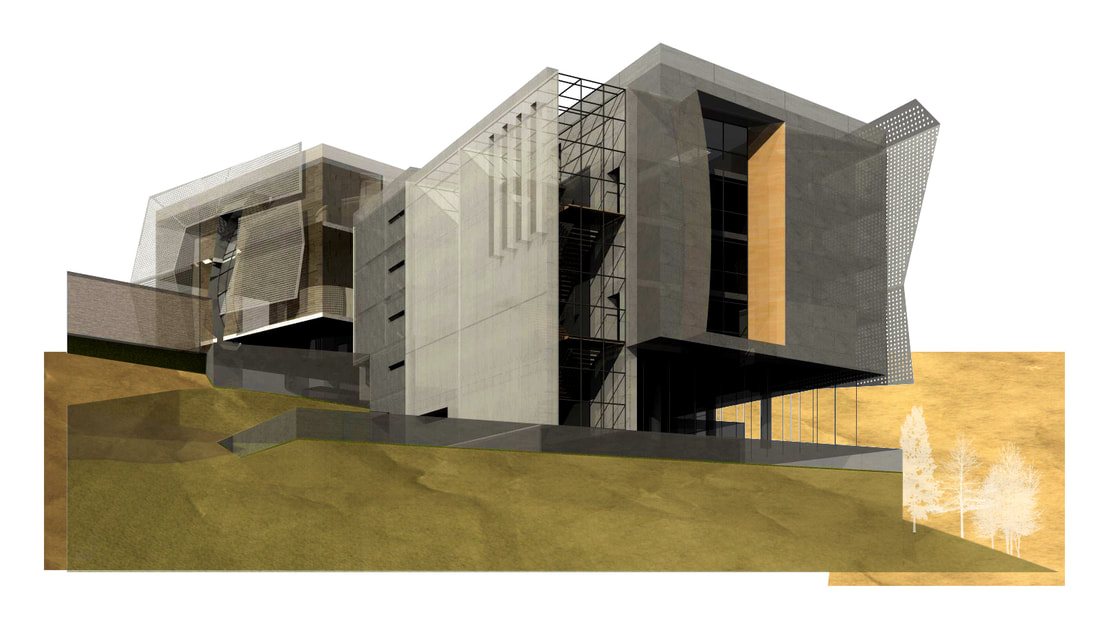 Educational Institute perspective_ The institute is orienting towards Wind Cave, where the Lakota first emerged from the subterranean world to the surface of the world. The purpose of this is to constantly remind and inspire the residents about their culture. For the residential units, two floors are for the students and one floor is for in-house faculties and potential visiting scholars and guests. The educational institute can house up to 24 students and the lecture hall can hold up to 60 people. 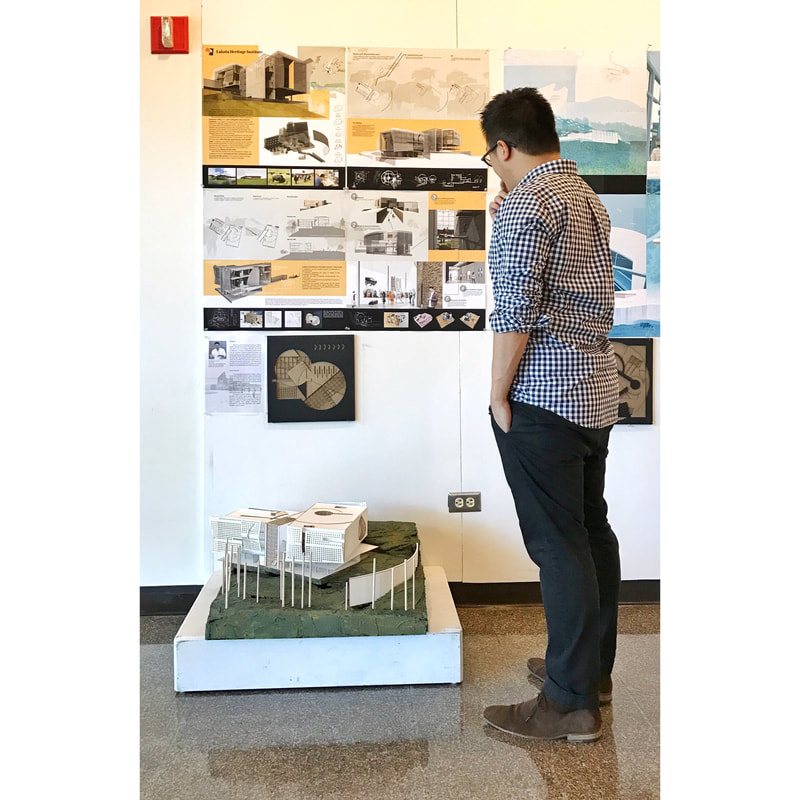 Final Exhibition Studio Reflection:
As an international student from Taiwan, I was not familiar with the Native American culture, and this studio serves as a very good starting point for me. The studio spent a lot of time studying the context before moving into schematic design. We even took a road trip to South Dakota to gain a better perspective. Professor Carl taught us his design methodology based on patterns and layers. On top of that we overlapped it with the Lakotan design methodology developed by Dr. Craig Howe. The result is a contemporary solution for the Lakota tribal architecture. The course is a great addition to my architectural education. The project targets specific users and it is located on a challenging site. In a sense, learning tribal architecture helps me design contemporary architecture better in general since Lakotan architecture also emphasizes on the spatial experience, time, visibility, circulation, and the context. |
AboutThis blog was launched in August, 2015 during my 8th year of studying abroad in Barcelona, Spain. I decided to start this blog and record some of my thoughts and moments. This blog is also dedicate to Richard Fu, a good friend of mine who is now guarding me from above. He inspired me to get out of the comfort zone and be curious about the world. Amig@'s blogs
Check out my brother Will's blog (in Mandarin) to see what he's up to these days (Design, fashion, food, technology, music, film...etc) Check out Kris' website for some high quality photos around the world Archives
September 2023
|
 RSS Feed